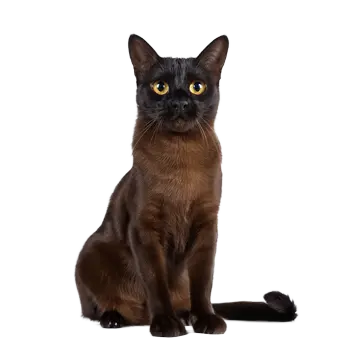

Play Style & Drive

Bombays are exceptionally playful cats that retain a kitten-like enthusiasm for interactive play well into adulthood. Their play style tends to be predatory and athletic — they love to stalk, pounce, and chase, mimicking the hunting behaviors of their wild ancestors. Understanding this natural drive is key to selecting toys that will hold their interest and provide meaningful physical and mental exercise.

This breed is notably intelligent and can grow bored with toys that don't offer enough challenge or variety. A Bombay that has figured out a puzzle toy in a single session may ignore it afterward unless the difficulty is adjustable. Similarly, toys that move predictably or lack sensory appeal will be abandoned quickly. The best toys for Bombays engage multiple senses — sight, sound, and touch — and introduce an element of unpredictability that keeps the cat guessing.

Bombays are also highly social players that prefer interactive sessions with their owners over solitary play. While they can entertain themselves with the right toys, regular interactive play sessions of 15 to 20 minutes at least twice daily help satisfy their need for social bonding and physical activity. These sessions are especially important for indoor Bombays, who rely entirely on their indoor environment for exercise and stimulation.

Pay attention to your individual Bombay's preferences, as play style can vary within the breed. Some are aerial hunters that prefer toys that fly and flutter through the air, while others are ground hunters that respond to toys that scurry along the floor. Many Bombays enjoy both styles and benefit from a rotation that includes air and ground-based play options.

Interactive & Puzzle Toys

Interactive toys that require owner participation are the cornerstone of a Bombay's play routine. Wand toys with feathered, furry, or ribbon attachments are universally popular with this breed because they simulate the erratic movement of prey and allow the owner to control the speed, direction, and intensity of the play session. Vary your technique between slow, creeping movements that trigger the stalk response and quick, darting motions that prompt the pounce.

Puzzle feeders and treat-dispensing toys serve double duty by combining mental stimulation with a food reward. These are particularly valuable for Bombays prone to eating too quickly or gaining excess weight, as they slow down food consumption and turn mealtime into an engaging activity. Start with simple designs that require batting or pawing to release treats, and gradually increase complexity as your cat masters each level.

Electronic interactive toys that move autonomously can supplement owner-led play sessions and provide stimulation when you're away from home. Look for toys with randomized movement patterns rather than repetitive circuits, as Bombays quickly lose interest in predictable motion. Battery-operated toys that mimic the darting movements of mice or insects tend to hold attention longer than those with simple spinning or oscillating actions.

Rotate puzzle toys and interactive toys on a weekly basis to maintain novelty. Store unused toys out of sight and reintroduce them after a break — most cats respond to a reintroduced toy as if it were new. Keeping three or four sets in rotation means your Bombay always has fresh challenges without requiring constant purchases.

Chew Toys & Durability

While cats are not typically aggressive chewers in the way dogs are, Bombays do enjoy gnawing on certain textures, especially during play arousal. Providing appropriate chew options helps protect your furniture and belongings while supporting dental health. Look for chew toys made from durable rubber, natural fibers, or compressed catnip that can withstand repeated biting without breaking apart into ingestible pieces.

Safety is the primary concern with any chew toy. Avoid toys with small parts that could be bitten off and swallowed, such as plastic eyes, button noses, or bells that can detach. Feathered toys should be used only during supervised play, as ingested feathers can cause gastrointestinal blockages. Inspect all toys regularly for signs of wear and replace them before they deteriorate to the point of becoming hazardous.

Catnip-infused toys are a reliable choice for Bombays, as the breed generally responds strongly to catnip. Toys stuffed with dried catnip or coated with catnip oil encourage batting, bunny-kicking, and chewing behaviors that provide exercise and stress relief. Silver vine is an alternative for the small percentage of cats that don't respond to catnip, and valerian root is another option that triggers similar playful reactions.

Dental health toys designed with textured surfaces or mesh coverings can help reduce plaque and tartar buildup as your cat chews. While these are not a substitute for regular dental care, they provide a passive benefit during play. Choose toys sized appropriately for your Bombay — too small and they become a choking risk, too large and the cat may lose interest or be unable to grip them comfortably.

Chase & Hunt Toys

Chase toys tap directly into the Bombay's strong prey drive and provide vigorous physical exercise. Laser pointers are popular but should be used carefully — always end a laser session by directing the dot onto a physical toy or treat so your cat gets the satisfaction of a successful catch. Exclusively chasing a light they can never capture can lead to frustration and obsessive behaviors in some cats.

Track toys with balls that roll inside enclosed channels provide ongoing independent play. The sound and visible motion of the ball attract the Bombay's attention, and the enclosed design prevents the ball from being batted under furniture. Multi-level tracks with curves and elevation changes hold interest better than simple circular designs. Some track toys include scratch pads or catnip inserts in the center for added appeal.

Small plush mice, crinkle balls, and spring toys make excellent fetch and batting toys for Bombays. Many individuals in this breed will spontaneously learn to play fetch, retrieving a tossed toy and bringing it back to the owner for another throw. If your Bombay shows this inclination, encourage it — fetch provides excellent exercise and strengthens the bond between cat and owner.

Motion-activated toys that turn on when the cat approaches and shut off after a period of inactivity are useful for providing stimulation during the day while you're at work. Place these toys in areas where your Bombay tends to patrol or rest, so the unexpected activation triggers an engaging play response. Vary the placement periodically to prevent the cat from habituating to the toy's location.

Comfort & Companion Toys

Bombays form strong attachments and can experience separation anxiety when their owners are away for extended periods. Comfort toys — soft, plush items that a cat can snuggle with, groom, or carry around — can provide a sense of security during alone time. Some Bombays develop attachments to specific stuffed animals and will consistently sleep with or groom their favorite companion toy.

Kickable toys shaped like elongated cushions or large plush prey items allow cats to engage in bunny-kicking behavior, which is a natural predatory action where the cat wraps its front paws around the object and rakes with its hind legs. These toys provide an outlet for vigorous physical play and are often infused with catnip to increase appeal. Choose a size proportional to your Bombay — the toy should be long enough for the cat to grip with both front and back paws simultaneously.

Sensory toys that incorporate different textures, crinkle materials, or gentle rattling sounds add layers of stimulation beyond simple plush construction. Some comfort toys include pouches for inserting fresh catnip or heating packs that provide warmth. For Bombays that are particularly attached to warmth, a microwaveable insert that safely maintains a comfortable temperature can make a plush toy an irresistible companion.

Wash comfort toys regularly, as cats that groom and sleep with their toys transfer saliva, dander, and oils that can harbor bacteria over time. Use a pet-safe detergent and dry thoroughly before returning the toy to your cat. Keep a backup of any beloved comfort toy on hand, as the eventual retirement of a worn-out favorite can be distressing for a cat that has formed a strong attachment.

DIY & Budget Options

Some of the most effective cat toys cost nothing at all. Crumpled paper balls, cardboard boxes, paper bags with handles removed, and empty toilet paper rolls stuffed with treats provide genuine enrichment at zero cost. Bombays are particularly drawn to boxes and bags, which trigger their instinct to investigate enclosed spaces. A large cardboard box with entry and exit holes cut into the sides can provide days of entertainment.

Homemade puzzle feeders can be constructed from common household items. An egg carton with treats placed in the individual cups, a muffin tin with balls covering the wells, or a plastic bottle with holes cut large enough for kibble to fall through all create engaging food puzzles. These DIY options are easy to replace when they wear out and allow you to customize the difficulty level for your specific cat.

Simple wand toys can be made from a wooden dowel or stick with a piece of string and a tied fabric strip, feather, or crinkle material at the end. These homemade wands can be just as effective as commercial versions for interactive play sessions. Ensure all materials are securely attached and supervise play to prevent string ingestion, which can cause serious intestinal complications.

Rotating household items through your Bombay's environment provides free enrichment through novelty. Moving a chair to a new position, placing a paper bag on the floor, or setting up a blanket tent creates a new landscape to explore. Cats are sensitive to environmental changes, and even small modifications can stimulate investigation and play behaviors. Combine purchased and DIY options to create a varied, stimulating environment without breaking the budget.

Always consult a qualified professional before making any health-related decisions. This content is provided for informational reference only and should not replace professional guidance specific to your animal.