
Activity & Health Monitors

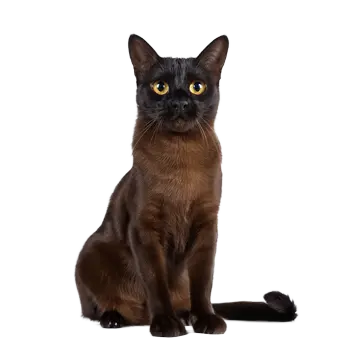
Wearable activity monitors designed for cats attach to the collar and track movement patterns, sleep duration, calorie expenditure, and overall activity levels throughout the day. For Bombays, which are prone to weight gain when their activity levels drop, these devices provide objective data that helps owners identify downward trends before they result in health problems. A sudden decrease in daily activity can also be an early indicator of pain, illness, or depression that might otherwise go unnoticed.

Most cat activity monitors sync with a smartphone app that displays daily, weekly, and monthly trends. Look for devices that establish a baseline for your individual cat's normal behavior rather than comparing against generic breed averages, since activity levels vary significantly between individuals. The most useful monitors alert you when your cat's patterns deviate meaningfully from their established norms — for example, sleeping significantly more than usual or showing a sustained drop in active minutes.

Device weight and size are important considerations for cat wearables. The monitor should be lightweight enough that your Bombay doesn't notice it on the collar, typically under 10 grams, and compact enough to avoid catching on furniture or tight spaces. Water resistance is essential even for indoor cats, as the device may contact water bowls, spills, or drool. Battery life varies widely among products — some use rechargeable batteries lasting one to two weeks, while others use replaceable coin cells that last several months.

Some advanced monitors track additional health metrics such as scratching frequency, licking patterns, and feeding visits. These data points can help identify emerging skin conditions, stress-related overgrooming, or changes in appetite that warrant veterinary attention. While no consumer device replaces professional veterinary diagnostics, the trend data these monitors collect can be genuinely useful during wellness exams and when communicating concerns to your vet.

GPS & Location Tracking

GPS trackers are primarily associated with outdoor cats, but they serve an important role for indoor Bombays as well. Escape is a realistic concern for any indoor cat — a momentary lapse with a door or window can result in a panicked, disoriented cat loose in unfamiliar territory. A GPS tracker attached to your Bombay's collar provides real-time location data that dramatically improves the chances of a quick recovery if your cat gets out.

GPS-based trackers use cellular networks to transmit location data to your phone, providing coverage wherever there is cell service. These devices offer real-time tracking with varying degrees of accuracy, typically within 5 to 15 meters. They require a subscription plan for the cellular data connection, with monthly costs that vary by provider and coverage area. Look for devices with geofencing capabilities that send an instant alert to your phone if your cat leaves a defined safe zone.

Bluetooth trackers are a lower-cost alternative that work differently from GPS devices. They rely on proximity to your phone or a network of other users' phones to report location, making them effective in densely populated areas but less reliable in rural or suburban settings. Some Bluetooth trackers leverage extensive crowd-sourced networks that significantly expand their practical range. They typically have longer battery life than GPS devices since they consume less power.

For Bombays that use catios or spend supervised time outdoors, a GPS tracker provides peace of mind if the cat were to escape the enclosure. When evaluating trackers, consider the device's size and weight relative to your cat's comfort, the accuracy of location reporting, battery life between charges, the quality and features of the companion app, and the ongoing subscription costs. The tracker should be securely attached to a breakaway collar so that if the collar catches on something, the safety release works as intended even with the added weight.

Smart Feeders & Water Devices

Smart feeders automate portion control and feeding schedules, which is particularly beneficial for Bombays that tend to overeat or beg for food outside mealtimes. Programmable feeders can dispense precise amounts of dry food at set times throughout the day, maintaining consistency even when you're away from home. This removes the human variable from portion control and ensures your cat eats on the schedule that best supports their metabolism and weight management goals.

Microchip-activated feeders are the gold standard for multi-cat households. These devices read your cat's implanted microchip or a programmed RFID collar tag and only open for the registered cat, preventing food theft between pets. This is especially valuable when cats in the household require different diets — for example, if your Bombay needs a weight management formula while another cat eats standard adult food. The sealed bowl also keeps food fresher between meals.

Smart water fountains with filtration systems encourage adequate hydration by providing continuously circulating, filtered water. Some models connect to smartphone apps that track water consumption patterns and alert you if intake drops below normal levels. Given that many Bombays eat primarily dry food, monitoring and encouraging water intake is important for kidney and urinary tract health. Look for fountains with quiet pumps, as some cats are deterred by loud motor noise.

When selecting any smart feeding or watering device, consider ease of cleaning as a primary factor. Devices with multiple components, narrow channels, or hard-to-reach crevices accumulate biofilm and bacteria quickly. Choose feeders and fountains with dishwasher-safe parts or simple designs that disassemble fully for hand washing. Stainless steel reservoirs and bowls are preferable to plastic for hygiene and durability. Ensure the device has a reliable power backup or mechanical override so your cat can still access food and water during power outages.

Cameras & Home Monitoring

Pet cameras allow you to observe your Bombay's behavior while you're away from home, providing peace of mind and insights into how your cat spends its solo hours. Basic indoor cameras offer live video streaming to your phone, while more advanced models include features like two-way audio, night vision, motion detection alerts, and treat dispensing. For Bombays that may experience separation anxiety, the ability to speak to your cat through the camera can provide comfort.

Camera placement should cover the areas where your Bombay spends the most time — typically near cat trees, windows, feeding stations, and favorite sleeping spots. A camera in each primary room provides comprehensive coverage, though a single camera in the main living area is often sufficient for most owners. Mount cameras out of your cat's reach to prevent them from becoming toys, and manage cables carefully, as Bombays will chew exposed cords.

Motion-activated recording and cloud storage allow you to review your cat's activity throughout the day without watching hours of live footage. Many cameras compile activity summaries or highlight reels that condense the day's events into a few minutes of viewing. This can reveal behaviors you wouldn't otherwise know about, such as nighttime activity patterns, reactions to outside noises, or interactions with other household pets when unsupervised.

Privacy considerations are worth noting if your camera covers shared living spaces. Inform household members and guests that cameras are active, and choose devices from manufacturers with strong data security practices and transparent privacy policies. Cameras that process video locally rather than streaming everything to the cloud offer better privacy protection. If your camera includes audio recording, be aware of local laws regarding consent for audio surveillance, which vary by jurisdiction.

Training Technology

Automated training aids can supplement hands-on training sessions with your Bombay. Clicker training apps that emit a consistent click sound through your phone can replace a physical clicker and often include built-in training guides and progress tracking. The consistency of a digital click paired with treat rewards is highly effective for Bombays, which are intelligent enough to learn tricks, commands, and desired behaviors through positive reinforcement.

Motion-activated deterrent devices help train cats to avoid restricted areas without direct confrontation. These devices detect movement and emit a burst of compressed air, a brief tone, or activate a vibration that startles the cat away from countertops, houseplants, or other off-limits zones. While effective, they should be used judiciously — excessive use of aversive stimuli can create anxiety in sensitive cats. Positive reinforcement of desired behaviors is always more effective than punishment of unwanted ones.

Automated laser toys and motorized chase devices can be incorporated into training routines as high-value rewards for completed behaviors. For example, completing a series of commands earns a five-minute session with an automated laser toy. This approach leverages the Bombay's strong play drive to motivate learning. Programming these devices to activate at specific times also provides predictable enrichment that helps structure the cat's day.

Interactive treat cameras that allow remote treat dispensing can reinforce training while you're away from home. If you're working on a specific behavior such as using a scratching post instead of furniture, you can watch via camera and dispense a treat remotely when you observe the desired behavior. This kind of real-time remote reinforcement is a relatively new capability that can be surprisingly effective with intelligent breeds like the Bombay that respond well to food motivation.

Veterinary Telehealth

Veterinary telehealth platforms allow you to consult with licensed veterinarians via video call, phone, or text chat from home. These services are particularly useful for Bombay owners who want to discuss minor health concerns, behavioral questions, or post-appointment follow-ups without the stress of another clinic visit. Many Bombays become anxious during car rides and in veterinary waiting rooms, so being able to resolve certain concerns remotely reduces unnecessary stress for both cat and owner.

Telehealth is appropriate for non-emergency consultations such as evaluating mild symptoms, reviewing dietary plans, discussing behavioral changes, interpreting lab results, or getting a second opinion on a treatment recommendation. It is not a substitute for hands-on veterinary examination, and any provider who diagnoses or prescribes medication without appropriate evaluation should be viewed with caution. Legitimate telehealth platforms are transparent about the limitations of remote consultation.

Some telehealth services integrate with wearable health monitor data, allowing the remote veterinarian to review your Bombay's activity trends, sleep patterns, and other tracked metrics during the consultation. This integration provides more objective information than owner observation alone and can help identify subtle changes that might be easy to miss. Having this data available during a consultation can make the remote visit more productive and informative.

When choosing a telehealth platform, verify that the service employs licensed veterinarians in your jurisdiction, as veterinary licensing requirements and telehealth regulations vary by state and country. Some platforms offer subscription plans with unlimited consultations, while others charge per visit. Consider whether the platform provides follow-up care, prescriptions where legally permitted, and referrals to local specialists when needed. Keep your Bombay's medical records, vaccination history, and current medications documented and accessible so you can share them quickly during any remote consultation.

Always consult a qualified professional before making any health-related decisions. This content is provided for informational reference only and should not replace professional guidance specific to your animal.