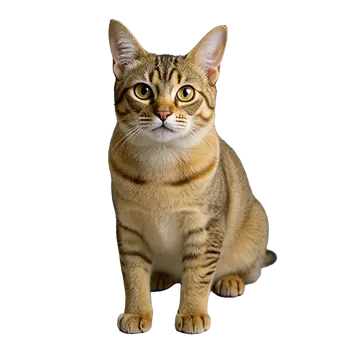

Space Requirements

The Asian Semi-longhair is a moderately active, social cat that thrives in environments offering both vertical exploration and cozy retreat areas. While this breed does not demand an unusually large living space, the quality of the space matters more than raw square footage. A well-organized apartment with thoughtful vertical elements can be just as satisfying for this cat as a sprawling house with little environmental enrichment.

Vertical space is particularly important for the Asian Semi-longhair. Cat trees, wall-mounted shelves, and elevated perches allow this breed to express its natural climbing instincts and survey its territory from above. A home with at least two or three elevated resting spots at different heights gives this cat the sense of control and security it naturally seeks. Windowsill perches are especially valued, as this breed tends to enjoy watching outdoor activity.

Horizontal territory matters too, particularly in multi-cat households. Each cat should have access to its own resting area, feeding station, and litter box without needing to navigate through another cat's claimed space. The Asian Semi-longhair is generally sociable with other animals, but territorial stress can develop if shared resources create competition or conflict.

Temperature and airflow should also factor into your space planning. This breed's semi-long coat provides moderate insulation, but they still prefer warm, draft-free resting spots. Avoid placing beds or primary lounging areas near exterior doors, drafty windows, or air conditioning vents that could create uncomfortable cold zones.

Cat Trees & Climbing Structures

A sturdy cat tree is one of the most impactful investments you can make for an Asian Semi-longhair's indoor environment. This breed is naturally curious and enjoys climbing, so a multi-level tree with platforms at varying heights allows them to satisfy their instinct to ascend and observe. Look for structures with a stable, wide base that will not wobble or tip when a cat launches onto it at full speed.

Material quality matters both for durability and for your cat's comfort. Sisal-wrapped posts serve a dual purpose as scratching surfaces, which helps protect your furniture while giving the cat an appropriate outlet for claw maintenance. Carpeted platforms provide comfortable resting spots, but short-pile or berber-style carpet is easier to clean and less likely to trap loose fur from a semi-longhair coat.

Consider the placement of the cat tree carefully. Positioning it near a window gives your Asian Semi-longhair visual stimulation from outdoor activity — birds, passing pedestrians, and changing weather all provide entertainment. Avoid placing trees in isolated rooms where the cat would need to choose between socializing with the family and using its climbing structure, as this breed prefers to be where the action is.

For homes with limited floor space, wall-mounted shelving systems offer an excellent alternative or supplement to freestanding trees. Modular shelf systems designed for cats can be arranged in staircase patterns along a wall, creating vertical highway routes that take up no floor space at all. These systems work especially well in apartments and smaller homes where every square foot counts.

Beds & Sleeping Areas

Asian Semi-longhairs are enthusiastic sleepers, often logging fourteen to sixteen hours of rest per day, which makes their sleeping arrangements an important aspect of their overall comfort. Offering multiple bed options throughout your home allows your cat to choose a resting spot based on mood, temperature, and time of day. Cats often prefer different sleeping locations at different times, and this breed is no exception.

Enclosed beds and hooded styles provide the sense of security that many Asian Semi-longhairs enjoy. Cave-style beds, donut beds with raised edges, and covered igloos all create a snug environment that appeals to a cat's denning instinct. For cats that prefer to stretch out, flat bolster beds or padded mats placed on elevated surfaces work well. Observing your cat's natural sleeping posture will help you determine which style they prefer.

Fabric choice has practical implications for a semi-longhair breed. Smooth, tightly woven fabrics like microfiber or short-pile fleece are easier to clean and less prone to trapping loose fur than long-pile plush materials. Machine-washable beds with removable covers are the most practical option, as regular washing helps control allergens, dander, and the inevitable buildup of shed hair.

Heated beds can be particularly appealing during cooler months, especially for senior Asian Semi-longhairs or cats in homes kept at lower temperatures. Self-warming beds that reflect body heat provide gentle warmth without electricity, while thermostatically controlled electric beds maintain a consistent temperature. If you choose an electric option, make sure it is designed specifically for pets and includes chew-resistant cords and automatic shutoff features.

Outdoor Enclosures

Outdoor enclosures — often called catios — offer a safe way for your Asian Semi-longhair to experience fresh air, sunlight, and outdoor stimulation without the risks associated with free roaming. Unsupervised outdoor access exposes cats to traffic, predators, parasites, and disease, making enclosed outdoor spaces a sensible compromise that preserves the benefits of outdoor time while eliminating most of the dangers.

Catio designs range from small window-box units that attach to an existing window frame to large walk-in structures that function as enclosed patios. The right size depends on your available outdoor space and budget, but even a modest enclosure measuring four feet by six feet gives an Asian Semi-longhair room to stretch, climb, and enjoy sensory enrichment from the outdoors. Larger enclosures can incorporate shelving, ramps, and elevated platforms to maximize usable space.

Materials should be weather-resistant and secure. Pressure-treated wood or powder-coated metal frames paired with galvanized wire mesh or heavy-gauge screening provide durability against weather and prevent escape or intrusion by other animals. The mesh gauge should be small enough to prevent the cat from pushing through or getting a paw caught, and all joints and seams should be reinforced to eliminate gaps.

Shade and shelter within the enclosure are essential, as cats can overheat quickly in direct sunlight. A partially covered roof, shade cloth, or an attached shelter box gives your cat the option to retreat from sun or rain. Adding a few potted cat-safe plants like cat grass, catnip, or valerian creates an even more engaging outdoor environment and encourages natural foraging behavior.

Climate Considerations

The Asian Semi-longhair's coat provides moderate insulation, making it reasonably adaptable to a range of indoor temperatures. However, this breed is most comfortable in environments maintained between 65 and 78 degrees Fahrenheit. Temperatures significantly outside this range can cause discomfort, and like all cats, the Asian Semi-longhair is more sensitive to cold drafts and sudden temperature swings than to gradual ambient changes.

During warmer months, ensure your home has adequate ventilation or air conditioning to prevent overheating. Cats regulate body temperature less efficiently than humans, and a semi-longhair coat can trap heat close to the body. Providing cool resting surfaces — such as elevated mesh beds that allow air circulation beneath the cat, or ceramic cooling tiles — gives your cat options for self-regulating during hot weather.

In cooler climates or during winter, heated beds and warm resting areas become more important. Asian Semi-longhairs will naturally seek out heat sources like sunny windowsills, radiators, and warm laundry, but purpose-built heated products provide safer, more consistent warmth. If your cat gravitates toward radiators or space heaters, consider placing a bed nearby at a safe distance rather than allowing direct contact with the heat source.

Humidity is an often-overlooked factor in feline comfort. Extremely dry indoor air, common in homes with forced-air heating during winter, can cause dry skin and static buildup in the coat. A room humidifier set to maintain relative humidity between 40 and 60 percent benefits both the cat and its human housemates, supporting skin health and reducing the likelihood of coat-related irritation.

Multi-Cat Households

The Asian Semi-longhair's sociable and generally easygoing temperament makes it a good candidate for multi-cat households, but successful cohabitation depends heavily on how the living environment is structured. The cardinal rule of multi-cat housing is resource abundance — every cat in the household should have access to its own food station, water source, litter box, and sleeping area without needing to compete or negotiate with another cat.

The standard recommendation for litter boxes is one per cat plus one extra, placed in separate locations throughout the home. Clustering all boxes in a single room can create territorial bottlenecks where one cat controls access to the entire litter area. Distributing boxes across different rooms or floors ensures that every cat can reach a box without passing through another cat's territory.

Vertical space becomes even more important in multi-cat homes because it effectively multiplies the available territory. A room with cat trees, wall shelves, and elevated perches at different heights offers multiple cats the ability to share the same floor space without direct competition. Higher perches tend to be claimed by more dominant cats, so providing a variety of heights allows each cat to find a comfortable position in the social hierarchy.

Introduction protocol matters when adding an Asian Semi-longhair to an existing cat household or bringing a new cat into a home with an established Asian Semi-longhair. Gradual introductions through a closed door, followed by scent swapping and then supervised visual contact, significantly improve the odds of a peaceful transition. Rushing introductions is one of the most common causes of lasting inter-cat tension, and the process typically takes one to three weeks for a stable adjustment.

Always consult a qualified professional before making any health-related decisions. This content is provided for informational reference only and should not replace professional guidance specific to your animal.