
Nutritional Needs

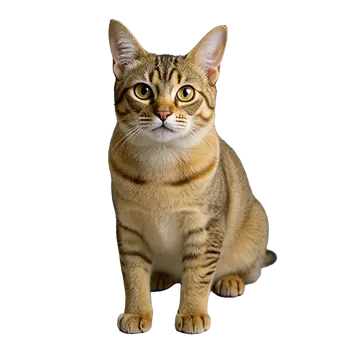
The Asian Semi-longhair is a medium-sized cat with a moderately active disposition and a semi-long coat that demands consistent nutritional support. Like all cats, this breed is an obligate carnivore, meaning animal-based protein must form the foundation of every meal. A diet rich in high-quality protein supports lean muscle maintenance, healthy organ function, and the kind of sustained energy this naturally curious breed needs throughout the day.

Because the Asian Semi-longhair carries a silky, semi-long coat, dietary fat intake plays an important role in maintaining coat sheen and skin elasticity. Omega-3 and omega-6 fatty acids are particularly beneficial, helping to reduce dryness and minimize shedding cycles. Cats that receive adequate essential fatty acids tend to have softer fur with less tendency toward matting, which is a practical advantage for this coat type.

This breed is generally healthy but can be prone to weight gain if overfed or given calorie-dense food without enough physical activity. Monitoring caloric intake relative to body condition is important, especially for indoor cats that may not burn as many calories as their outdoor counterparts. A balanced ratio of protein, fat, and controlled carbohydrates helps maintain an ideal body weight across all life stages.

Hydration is another critical element of the Asian Semi-longhair's nutritional profile. Cats as a species have a low natural thirst drive, and relying solely on dry food can leave them chronically under-hydrated. Incorporating moisture-rich food options or supplementing with a water fountain can make a meaningful difference in urinary and kidney health over time.

What to Look For

When evaluating cat food for an Asian Semi-longhair, the ingredient list is the most reliable indicator of quality. Look for a named animal protein as the first ingredient — such as chicken, turkey, salmon, or duck — rather than vague terms like "meat meal" or "animal by-products." A clearly identified protein source gives you confidence in both the quality and digestibility of the food.

Avoid products that rely heavily on grain fillers like corn, wheat, or soy as primary ingredients. While cats can tolerate small amounts of carbohydrate, their digestive systems are not optimized for grain-heavy diets. Instead, look for formulas that use limited carbohydrate sources like sweet potato, peas, or tapioca, which provide energy without overwhelming the digestive tract.

The guaranteed analysis panel is worth reviewing as well. For most adult Asian Semi-longhairs, a minimum crude protein content of 30 percent or higher on a dry-matter basis is a reasonable benchmark, with fat content in the range of 15 to 20 percent. Fiber content should be moderate — enough to support digestion without diluting the caloric density of the food.

Pay attention to added supplements. Taurine is an essential amino acid that must be present in all cat food, as cats cannot synthesize it on their own. Other beneficial additions include vitamin E, biotin, and chelated minerals, which improve nutrient absorption. Artificial colors, flavors, and chemical preservatives are unnecessary and best avoided.

Recommended Dry Food

Dry kibble is a practical staple for many Asian Semi-longhair owners due to its shelf stability, convenience, and dental benefits. The mechanical action of chewing kibble can help reduce plaque accumulation on teeth, though it should not be considered a substitute for proper dental care. When selecting a dry food, prioritize formulas designed for adult cats with moderate activity levels, unless your cat falls into a kitten or senior life stage.

Look for kibble with a protein content above 35 percent and a fat content that supports coat health without contributing to excess weight. Formulas that include added omega fatty acids are particularly well-suited to semi-longhair breeds, as they provide nutritional support for the coat from the inside out. Grain-free options can work well, but grain-inclusive formulas with whole grains like brown rice or oats are also acceptable as long as protein remains the dominant macronutrient.

Portion control is essential with dry food because its caloric density can be deceptive. A small volume of kibble can contain a surprising number of calories, and free-feeding — leaving food available at all times — can lead to gradual weight gain. Measured meals served at consistent times are a more reliable approach to maintaining a healthy body condition.

If your Asian Semi-longhair is a picky eater, consider rotating between two or three dry food formulas to maintain interest. Gradual transitions over seven to ten days, mixing increasing amounts of the new food with the old, will help avoid digestive upset during switches.

Wet & Fresh Options

Wet food offers significant benefits for the Asian Semi-longhair, chief among them being hydration. Canned and pouch-style foods typically contain 75 to 80 percent moisture, which closely mimics the water content of a cat's natural prey. For cats that are reluctant drinkers, incorporating wet food into their diet is one of the most effective ways to increase daily fluid intake and support kidney and urinary tract health.

Texture preferences vary among individual cats, and wet food comes in several formats including pâté, shredded, chunks in gravy, and minced styles. Asian Semi-longhairs tend to be food-motivated and often take well to variety, so experimenting with different textures can help identify what your cat prefers. Pâté styles tend to have fewer fillers and thickeners than gravy-based options, though both can be nutritionally sound.

Fresh and refrigerated cat food options have become increasingly available and represent another strong choice for this breed. These products are typically minimally processed and use whole-food ingredients, which can result in higher digestibility and better nutrient retention compared to heavily processed alternatives. The trade-off is shorter shelf life and higher cost per serving.

Many owners find that a combination feeding approach works best — dry kibble as a base with wet or fresh food added once or twice daily. This strategy balances the convenience and dental benefits of dry food with the hydration and palatability advantages of wet food, creating a well-rounded dietary routine.

Treats & Supplements

Treats can be a useful tool for bonding, training reinforcement, and adding variety to your Asian Semi-longhair's diet, but they should be offered thoughtfully. As a general guideline, treats should account for no more than ten percent of your cat's total daily caloric intake. Exceeding this threshold regularly can displace essential nutrition and contribute to weight gain over time.

Freeze-dried meat treats are among the best options for cats because they are typically single-ingredient products with no added fillers, sugars, or artificial preservatives. Freeze-dried chicken, salmon, or shrimp provide a high-protein reward that aligns with a cat's natural dietary needs. Dental treats designed to reduce tartar buildup can also serve a dual purpose, though their effectiveness varies by product.

Supplements may be beneficial in specific situations but are generally unnecessary if your cat is eating a complete and balanced commercial diet. Omega-3 supplements derived from fish oil can provide additional coat support for semi-longhair breeds, and probiotic supplements may help cats with sensitive stomachs or those transitioning between foods. Always consult with a veterinarian before adding supplements to ensure they are appropriate and properly dosed.

Hairball control supplements are worth considering for the Asian Semi-longhair given its coat length. Products containing natural fiber sources or petroleum-free lubricants can help move ingested hair through the digestive tract more efficiently, reducing the frequency and severity of hairballs.

Foods to Avoid

Several common human foods are toxic or harmful to cats and should never be offered to your Asian Semi-longhair, even in small amounts. Onions, garlic, chives, and leeks — all members of the allium family — can cause oxidative damage to red blood cells, potentially leading to anemia. This applies to all forms, including raw, cooked, powdered, and dehydrated.

Chocolate and caffeine contain methylxanthines, which are dangerous to cats even in relatively small doses. Dark chocolate and baking chocolate pose the greatest risk, but all chocolate products should be kept out of reach. Similarly, grapes and raisins have been associated with kidney damage in some animals, and the mechanism is not fully understood, making it best to avoid them entirely.

Raw eggs and raw fish carry a risk of bacterial contamination from salmonella or E. coli, and raw egg whites contain avidin, a protein that interferes with biotin absorption. While some proponents advocate for raw diets, the safety risks are significant, and commercially prepared raw-diet products undergo pathogen-reduction processes that home preparation typically does not.

Dairy products are another category to approach with caution. Most adult cats are lactose intolerant to varying degrees, and feeding milk, cream, or cheese can result in digestive upset including diarrhea and bloating. If you want to offer a dairy-like treat, look for cat-specific milk products that have been formulated with reduced lactose content.

Artificial sweeteners, particularly xylitol, are extremely toxic to pets and can cause rapid insulin release, liver failure, and death. Always check ingredient labels on any human food product before sharing with your cat, and when in doubt, err on the side of caution.

Feeding Schedule

Establishing a consistent feeding schedule helps regulate your Asian Semi-longhair's metabolism, supports healthy digestion, and makes it easier to monitor appetite changes that could signal health issues. Most adult cats do well with two measured meals per day — one in the morning and one in the evening — spaced approximately twelve hours apart.

Kittens under six months of age require more frequent feeding, typically three to four meals per day, to support their rapid growth and high energy demands. Between six months and one year, you can gradually transition to three meals daily, and then to two meals once they reach adulthood. Senior cats may benefit from a return to smaller, more frequent meals if they develop digestive sensitivities or dental issues that make large meals uncomfortable.

Portion sizes should be calculated based on your cat's ideal body weight, activity level, and the caloric density of the food you are using. Feeding guidelines on packaging provide a reasonable starting point, but they tend to be generalized. Your veterinarian can help you determine the right daily caloric target based on your individual cat's body condition score.

Consistency in feeding times helps reduce food anxiety and begging behavior. Cats are creatures of routine, and the Asian Semi-longhair is no exception — this breed tends to adapt well to structured schedules. If you are combining dry and wet food, consider offering dry kibble in the morning and wet food in the evening, or vice versa, to create a predictable rhythm your cat can rely on.

Always consult a qualified professional before making any health-related decisions. This content is provided for informational reference only and should not replace professional guidance specific to your animal.