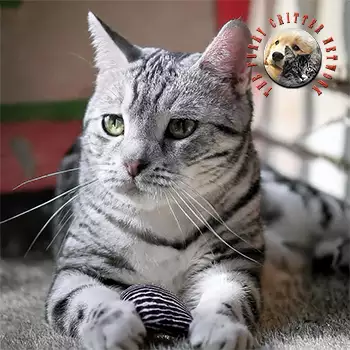

Nutritional Needs

The American Wirehair is a medium-sized cat with a sturdy, muscular build that requires a well-balanced diet rich in animal-based protein. Like all cats, this breed is an obligate carnivore, meaning its digestive system is designed to process meat as its primary energy source. A diet built around high-quality animal proteins such as chicken, turkey, salmon, or duck supports lean muscle maintenance and overall vitality throughout every life stage.

Because the American Wirehair tends toward a calm and easygoing disposition, calorie management is important. These cats are not always the most active breed, and overfeeding can lead to unhealthy weight gain that puts stress on joints and internal organs. A moderate-calorie formula with adequate protein and controlled fat content is usually the best fit for adult cats of this breed.

The Wirehair's distinctive crimped coat, while low-maintenance compared to long-haired breeds, still benefits from nutritional support. Omega-3 and omega-6 fatty acids play a key role in skin health and coat texture. Including foods that naturally contain these essential fatty acids helps maintain the springy, resilient quality of the wire coat while supporting healthy skin underneath.

Hydration is another critical factor. Cats in general are prone to low water intake, and the American Wirehair is no exception. Incorporating moisture-rich foods into the diet or providing a mix of dry and wet food options can support kidney function and urinary tract health over time. Fresh, clean water should always be available alongside any feeding routine.

What to Look For

When evaluating food options for an American Wirehair, the ingredient list should always start with a named animal protein. Look for labels that specify the protein source — such as deboned chicken or salmon meal — rather than vague descriptors like "meat by-products" or "animal meal." The first two or three ingredients carry the most weight in terms of what the cat is actually eating on a daily basis.

Avoid formulas that rely heavily on grain-based fillers such as corn, wheat, or soy as primary ingredients. While some grains can serve as a secondary energy source, they should not form the foundation of a cat's diet. Grain-free formulas are an option, though not a necessity — what matters most is that animal protein remains the dominant component.

Look for products that include taurine, an amino acid essential for feline heart and eye health. Most quality cat foods include adequate taurine, but it is worth confirming on the label. Additionally, check for added vitamins and minerals such as vitamin E, vitamin A, and calcium to support immune function and bone strength.

Artificial preservatives, colors, and flavors are best avoided. Chemical preservatives like BHA, BHT, and ethoxyquin have raised concerns among pet nutrition experts. Instead, look for foods preserved with natural alternatives like mixed tocopherols or rosemary extract. A shorter, more recognizable ingredient list generally signals a higher-quality product.

Recommended Dry Food

Dry kibble remains a practical and popular choice for American Wirehair owners due to its convenience, shelf stability, and dental benefits. The mechanical action of chewing kibble can help reduce plaque and tartar buildup, which supports oral health between veterinary cleanings. For this breed, look for a kibble formulated for indoor or moderately active adult cats with a protein content of at least 30 percent.

Kibble size and shape can matter, particularly for cats that tend to eat quickly. Smaller, flatter pieces encourage slower chewing and better digestion. Some formulas are specifically designed with dental health in mind, featuring a texture that promotes chewing rather than swallowing whole.

When choosing a dry food, pay attention to the guaranteed analysis panel. A quality dry food for an American Wirehair should contain moderate fat levels — typically between 12 and 18 percent — along with controlled carbohydrate content. Fiber from sources like beet pulp or chicory root supports healthy digestion and can help with hairball management, which is a practical consideration for any cat breed.

Rotating between two or three high-quality dry food options every few months can provide variety in flavor and nutrient profile without causing digestive upset. Gradual transitions over seven to ten days help prevent stomach sensitivity during food changes.

Wet & Fresh Options

Wet food offers significant hydration benefits that complement or even replace dry kibble in an American Wirehair's diet. With moisture content typically ranging from 75 to 85 percent, canned and pouch-style foods help ensure adequate fluid intake — a particular advantage for cats that are reluctant drinkers. This added hydration supports kidney and urinary tract health, which are common areas of concern in aging cats.

Pâté, shredded, and chunk-in-gravy textures are all suitable options. Many American Wirehairs show a preference for one texture over another, so experimenting with different styles can help identify what your cat enjoys most. Regardless of texture, the nutritional criteria remain the same: a named animal protein as the first ingredient and minimal use of thickeners or fillers.

Fresh and refrigerated cat food options have grown in availability and represent another tier of quality. These products are typically minimally processed and made with whole-food ingredients. While they come at a higher price point and require refrigeration, they can be an excellent option for owners who want to provide a diet closer to whole-food nutrition without preparing raw meals at home.

For owners who mix wet and dry food, a common approach is to offer wet food as the primary meal once or twice daily and leave a measured portion of kibble available for grazing. This combination provides the hydration benefits of wet food alongside the dental and convenience advantages of dry kibble.

Treats & Supplements

Treats serve an important role in bonding and positive reinforcement but should not exceed 10 percent of an American Wirehair's daily caloric intake. Opt for single-ingredient treats — such as freeze-dried chicken, fish, or liver — that deliver protein without unnecessary additives. These simple treats tend to be highly palatable while keeping the ingredient list clean and digestible.

Dental treats designed to promote chewing can serve a dual purpose by satisfying the cat's desire for a snack while helping to scrape away plaque. Look for treats with a firm, crunchy texture and avoid those loaded with sugar, starch, or artificial flavoring that undermine the dental benefit.

Supplements can be a useful addition for American Wirehairs with specific health needs. Omega fatty acid supplements support skin and coat health, which is especially relevant for maintaining the breed's distinctive wire-textured fur. Probiotic supplements may benefit cats with sensitive digestion, while joint supplements containing glucosamine can support mobility in older cats.

Always consult a veterinarian before introducing new supplements, particularly if the cat is already on a complete and balanced diet. Over-supplementation can cause imbalances that are just as problematic as deficiencies. A well-formulated food often covers the baseline nutritional needs, with supplements reserved for targeted support.

Foods to Avoid

Certain human foods are toxic to cats and should never be offered to an American Wirehair. Onions, garlic, chives, and related allium vegetables can cause oxidative damage to red blood cells, leading to anemia. Even small amounts cooked into sauces or broths can pose a risk, so table scraps should be carefully screened before sharing.

Chocolate and caffeine contain theobromine and methylxanthines, both of which are dangerous for cats. Grapes and raisins have been linked to kidney damage in some animals, and while the exact mechanism in cats is not fully understood, the risk is significant enough to warrant complete avoidance. Xylitol, an artificial sweetener found in sugar-free gum and some baked goods, is another serious hazard.

Raw eggs, raw fish, and raw meat carry the risk of bacterial contamination from salmonella or E. coli. While some owners pursue raw feeding protocols, these diets require careful handling, sourcing, and nutritional balancing that go well beyond simply offering uncooked grocery store meat. Without proper preparation, raw diets can expose cats to foodborne illness and nutritional gaps.

Dairy products are a common misconception. Many cats, including the American Wirehair, are lactose intolerant as adults. Milk, cheese, and cream can cause gastrointestinal distress including diarrhea and vomiting. If your cat enjoys a creamy treat, look for lactose-free cat milk products formulated specifically for feline digestion.

Feeding Schedule

Establishing a consistent feeding schedule helps regulate an American Wirehair's metabolism and supports healthy weight management. Most adult cats do well with two measured meals per day — one in the morning and one in the evening. Timed feedings make it easier to monitor appetite changes, which can be an early indicator of health issues.

Kittens under one year of age require more frequent feedings — typically three to four meals per day — to support their rapid growth and high energy expenditure. Kitten-specific formulas with higher protein and fat content should be used during this stage. Transition to an adult feeding schedule and formula gradually as the cat approaches its first birthday.

Free-feeding, or leaving food available at all times, is generally not recommended for the American Wirehair. This breed's moderate activity level and tendency toward a relaxed lifestyle can make it prone to overeating when food is constantly accessible. Measured portions based on the cat's weight, age, and activity level provide better control over calorie intake.

Senior American Wirehairs may benefit from adjusted feeding schedules and formulas designed for older cats. These diets typically feature slightly reduced calories with enhanced joint support and kidney-friendly nutrient profiles. Splitting the daily food allowance into three smaller meals can ease digestion and maintain energy levels throughout the day. Regular veterinary checkups should guide any age-related dietary adjustments.

Always consult a qualified professional before making any health-related decisions. This content is provided for informational reference only and should not replace professional guidance specific to your animal.