
Collars, Harnesses & Leashes

A well-fitted collar is the most basic accessory for any cat, serving as the primary attachment point for identification tags and, in some cases, a small bell to alert wildlife. For the American Wirehair, a breakaway collar is strongly recommended. Breakaway collars feature a clasp that releases under pressure, preventing strangulation if the collar catches on furniture, branches, or fencing. The collar should fit snugly enough that two fingers can slide underneath but not so loose that the cat can hook a jaw or paw beneath it.

Harnesses offer a safer and more secure alternative for cats that spend time outdoors under supervision. A figure-eight or vest-style harness distributes pressure across the chest and shoulders rather than the neck, reducing escape risk and eliminating choking hazards. The American Wirehair's calm temperament makes it a reasonable candidate for leash training, though patience and gradual indoor acclimation are essential before venturing outside.

Leash selection for cats differs from dogs. A lightweight, non-retractable leash in the four to six-foot range provides enough freedom for exploration while keeping the cat within a manageable radius. Retractable leashes are generally not recommended for cats, as the sudden tension changes can startle them and the thin cord can tangle around legs or objects.

Introduce collar and harness wear gradually, starting with short sessions indoors. Many cats resist the sensation of wearing a harness initially but adapt within a few days to a week if the experience is paired with treats and positive attention. Forcing the issue or starting with outdoor walks too early often creates a lasting negative association.

Grooming Tools

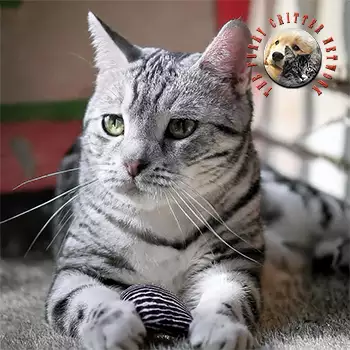
The American Wirehair's coat is distinctive — each hair is crimped, hooked, or bent, creating a springy, dense texture that feels rough to the touch compared to most cat breeds. This unique coat requires a gentler grooming approach than standard shorthair cats. Excessive brushing can damage the crimped hairs, breaking them or pulling them out and thinning the coat over time. A soft rubber grooming mitt or a very soft bristle brush used once a week is typically sufficient.

Bathing should be infrequent and only when necessary, as over-bathing strips natural oils that maintain the coat's texture and resilience. When a bath is needed, a gentle cat-specific shampoo and lukewarm water are appropriate. Thorough rinsing is critical — residual shampoo can irritate the skin beneath the wiry coat, where airflow is already somewhat limited by the dense hair structure.

Nail clippers or grinders are essential grooming tools regardless of breed. The American Wirehair's nails should be trimmed every two to three weeks to prevent overgrowth, splitting, and snagging on fabric or carpet. Guillotine-style and scissor-style clippers both work well for cats. A nail grinder is a quieter alternative that some cats tolerate better, though the vibration may require a separate acclimation period.

Ear cleaning should be part of the regular grooming routine, as the American Wirehair can produce moderate earwax. A veterinarian-approved ear cleaning solution applied with a cotton ball — never a cotton swab inserted into the ear canal — keeps ears clean and reduces the risk of infection. Dental care, including regular tooth brushing with a feline-specific enzymatic toothpaste, rounds out the grooming essentials.

Bowls & Feeders

The right food and water dishes contribute to a cat's comfort and health more than many owners realize. Shallow, wide bowls are preferred for cats because they prevent whisker fatigue — a form of sensory discomfort caused by whiskers pressing against the sides of a deep, narrow dish. Stainless steel and ceramic bowls are the best material choices: both are durable, easy to clean, and resistant to harboring bacteria.

Plastic bowls should generally be avoided for daily use. Plastic scratches easily, and those scratches become breeding grounds for bacteria even with regular washing. Some cats also develop chin acne from prolonged contact with plastic food dishes. If plastic is the only option available, replace bowls frequently and wash them thoroughly after every meal.

Elevated feeders — bowls raised two to four inches off the ground — can improve eating posture and reduce neck strain, particularly for older cats or those with arthritis. The elevation encourages a more natural head-and-neck position during meals. Adjustable-height feeders accommodate cats of different sizes and can be raised as a kitten grows into adulthood.

Water fountains are one of the most impactful accessories for encouraging hydration. Many cats, including the American Wirehair, are attracted to moving water and will drink more from a fountain than from a still bowl. Ceramic and stainless steel fountains are easier to clean and more durable than plastic models. Filters should be replaced according to the manufacturer's schedule to maintain water quality and flow rate.

Litter Boxes & Supplies

Litter box selection has a direct impact on a cat's daily comfort and willingness to use the box consistently. For the American Wirehair, a standard open-top box with low sides is a reliable starting point. The box should be at least one and a half times the length of the cat from nose to tail base, providing enough room to enter, turn around, and dig comfortably. Boxes that are too small or too confining often lead to avoidance and accidents outside the box.

Covered litter boxes appeal to many owners for odor containment and aesthetics, but not all cats tolerate them. The enclosed space can trap odors inside — which is unpleasant for the cat even if the owner notices less smell — and some cats feel vulnerable in an enclosed box because they cannot see their surroundings. If using a covered box, monitor the cat's usage patterns closely and switch to an open design if avoidance behavior develops.

Litter type is a matter of both owner preference and cat acceptance. Clumping clay litter is the most popular choice due to its ease of scooping and effective odor control. Natural alternatives made from walnut shells, corn, wheat, or recycled paper appeal to environmentally conscious owners and may be preferred by cats with sensitivities to clay dust. Whichever type is chosen, maintaining a consistent depth of two to three inches encourages proper digging and burying behavior.

Scooping at least once daily and performing a full litter change every one to two weeks keeps the box sanitary and inviting. Litter mats placed beneath and around the box help capture tracked litter and reduce cleanup. The box itself should be washed with mild, unscented soap during full changes — strong chemical cleaners can leave residual scents that deter use.

Safety & Identification

Identification is a critical safety measure even for indoor-only American Wirehairs, as cats can escape through open doors, unsecured windows, or during moves and emergencies. A collar with an engraved ID tag bearing the cat's name and the owner's phone number provides immediate visual identification to anyone who finds the cat. Tags should be checked periodically to ensure the engraving remains legible and the contact information is current.

Microchipping is the most reliable form of permanent identification. A microchip — a rice-grain-sized transponder injected under the skin between the shoulder blades — can be scanned by veterinary clinics and animal shelters to retrieve the owner's contact information. Unlike collars and tags, a microchip cannot fall off or be removed. Registration with the microchip provider's database must be completed and kept up to date for the chip to serve its purpose.

Window screens and door barriers are essential safety accessories for any cat household. Cats are drawn to open windows, and even a calm breed like the American Wirehair can fall or jump if startled or stimulated by outdoor prey. Secure, heavy-gauge window screens and screen door guards prevent escapes and falls. For high-rise apartments, window limiters that restrict the opening width to a few inches provide an additional layer of protection.

Childproofing supplies — cabinet locks, cord concealers, and outlet covers — serve double duty in cat households. Cats investigate cabinets, chew on electrical cords, and paw at dangling objects with the same curiosity as toddlers. Cord management is particularly important, as chewing through a live electrical cord can cause burns, electrocution, or fire. Bitter-tasting cord covers and cable management channels offer simple, effective protection.

Seasonal Gear

Seasonal accessories help maintain an American Wirehair's comfort and safety as weather and household conditions change throughout the year. During colder months, self-warming blankets, heated pads, and draft-blocking door cushions keep resting areas cozy. Cats naturally seek warmth, and providing controlled heat sources prevents them from settling too close to space heaters, radiators, or fireplaces where burns or singed fur are a risk.

Summer brings its own set of considerations. Cooling mats filled with pressure-activated gel offer a refreshing surface for cats in warm climates. These mats require no electricity and activate when the cat lies on them, making them a safe and low-maintenance option. Ensuring adequate water access throughout the home is especially important during hot weather, and adding an extra water fountain or bowl during summer months encourages hydration.

For cats with supervised outdoor access, seasonal pest prevention is a year-round essential. Flea and tick prevention products — available as topical treatments, oral medications, or collars — should be selected in consultation with a veterinarian. The American Wirehair's dense coat can make flea detection more difficult, so preventive treatment is far more effective than reactive treatment after an infestation is established.

Holiday seasons introduce temporary hazards that seasonal awareness can mitigate. Tinsel, ribbon, ornament hooks, and small decorative items are ingestion risks. Certain holiday plants — including lilies, poinsettias, and holly — are toxic to cats. A quick audit of seasonal decorations and plants before they enter the home eliminates the most common holiday-related emergencies and keeps the American Wirehair safe year-round.

Always consult a qualified professional before making any health-related decisions. This content is provided for informational reference only and should not replace professional guidance specific to your animal.