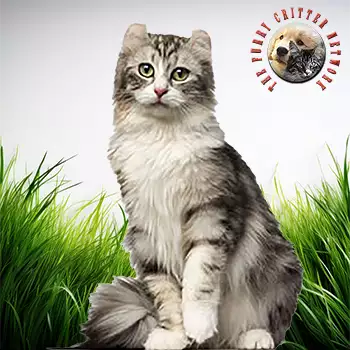

Play Style & Drive

American Curls retain a kitten-like playfulness well into adulthood, a trait that makes them one of the more entertaining companion breeds. Their play style tends to blend stalking, pouncing, and batting in patterns that mimic natural hunting sequences. Unlike some breeds that grow sedentary after their first few years, American Curls remain engaged with interactive play throughout their lives, which means investing in quality toys pays dividends for years.

This breed is known for its curiosity and problem-solving inclination. American Curls will investigate new objects thoroughly, often spending time manipulating items with their paws before committing to full play. They tend to favor toys that respond to their actions — rolling, bouncing, making noise, or changing direction — over static objects that just sit there. Understanding this preference helps you choose toys that will hold their attention rather than collecting dust under the couch.

Social play is a significant component of the American Curl's enrichment needs. These cats genuinely enjoy interactive sessions with their owners and will often initiate play by bringing a toy to a favorite human or performing attention-getting antics. While they can entertain themselves with solo toys, they thrive when play includes a social component. Plan for at least two dedicated interactive play sessions per day, each lasting ten to fifteen minutes.

Energy levels vary among individual cats, but most American Curls exhibit moderate to moderately high activity. They are not as hyperactive as some oriental breeds, but they require more stimulation than truly low-energy breeds. A bored American Curl may redirect their energy toward destructive behaviors like scratching furniture, knocking objects off shelves, or excessive vocalization.

Interactive & Puzzle Toys

Interactive toys that require the cat to solve a problem or work for a reward are exceptionally well suited to the American Curl's inquisitive nature. Puzzle feeders — devices that dispense treats or kibble when the cat manipulates slides, levers, or compartments — combine mental stimulation with food motivation. Starting with a simple single-step puzzle and gradually increasing complexity keeps the challenge fresh and prevents frustration.

Wand toys and fishing-pole-style toys are the gold standard for interactive play between cat and owner. These allow you to simulate the unpredictable movement of prey — darting, pausing, fluttering, and retreating — which triggers the full hunting sequence of stalk, chase, pounce, and capture. Vary your technique between sessions by changing speed, direction, and the surface the lure moves across. Dragging a wand toy across different textures like carpet, tile, and under paper bags creates varied sensory experiences.

Track-and-ball toys, where a ball circulates inside an enclosed channel, offer solo play opportunities for American Curls. Many of these toys include a central scratching pad or a dangling element that adds secondary engagement. While no track toy replaces interactive human play, they provide useful stimulation during times when the household is busy or away.

Rotation is essential for maintaining toy novelty. Cats habituate to familiar objects, and a toy that was irresistible last week may be completely ignored today. Keep a toy library and swap out the available selection every few days. Reintroducing a toy after a week or two of absence often restores its appeal completely. This approach also lets you invest in fewer total toys while keeping the experience fresh.

Chew Toys & Durability

While cats are not aggressive chewers in the way dogs are, many American Curls enjoy gnawing on textured toys, particularly during play. Toys made from tightly woven natural fibers, compressed catnip, or durable rubber withstand moderate chewing better than thin fabric or foam-filled options. Inspect chew toys regularly for signs of wear — loose threads, crumbling material, or exposed filling — and replace them before small pieces can be ingested.

Catnip-infused toys are a popular category, and most American Curls respond well to catnip. The active compound, nepetalol, triggers a temporary euphoric response in roughly sixty to seventy percent of cats. If your American Curl reacts to catnip, look for toys with a refillable catnip pouch so you can replenish the herb as its potency fades. For cats that are indifferent to catnip, silver vine and valerian root are alternative attractants that stimulate a similar response in many non-responders.

Dental health toys designed for cats feature textured surfaces or mesh netting that helps remove soft plaque as the cat chews. These are not a substitute for professional dental care, but they can contribute to oral hygiene as part of a broader dental health routine. Choose dental toys sized appropriately for your American Curl's mouth — oversized dental chews designed for larger breeds may be ignored or difficult to use effectively.

Safety is paramount with any chew toy. Avoid toys with small, detachable parts like plastic eyes, bells that can be chewed free, or ribbon attachments that pose swallowing and intestinal obstruction risks. Solid construction with minimal seams and no small components is the safest choice for unsupervised chewing. Toys meant for interactive play under supervision — like wand attachments with feathers — should be stored away between sessions.

Chase & Movement Toys

Chase-oriented toys tap directly into the American Curl's prey drive and provide vigorous physical exercise. Laser pointers are effective at getting even reluctant cats moving, but should always be used alongside a tangible toy that the cat can catch and "capture" at the end of the session. Ending a laser session without a physical catch can leave some cats frustrated, as they never experience the satisfying conclusion of a successful hunt.

Motorized toys that move unpredictably across the floor simulate small prey and can engage American Curls for extended solo play sessions. The best options change direction when they bump into obstacles, vary their speed, and include an auto-shutoff feature to conserve battery life. Some models include a feather or fabric tail attachment that adds visual appeal and mimics the movement of a rodent or insect.

Ball toys, from simple ping-pong balls to weighted wobble balls, are inexpensive staples that many American Curls adore. The appeal lies in the erratic movement pattern that a lightweight ball creates on hard flooring. Crinkle balls add an auditory dimension that enhances engagement. Keep in mind that small balls can roll under furniture and become inaccessible — some owners confine ball play to a single room or use slightly larger options that are easier to retrieve.

Fluttering and flying toys, including battery-operated butterflies and dangling door-frame toys, exploit the American Curl's instinct to leap and swat at airborne targets. These toys encourage vertical movement and acrobatic play that builds coordination and muscle tone. Mount dangling toys at a height your cat can reach with a moderate jump — too high discourages engagement, while too low removes the challenge.

Comfort & Companion Toys

Not all play is high-energy. American Curls, despite their playful reputation, also enjoy quieter interactions with soft comfort toys. Plush toys sized to be carried, bunny-kicked, or cuddled during rest provide a different kind of enrichment. Some cats develop attachments to specific plush toys and will carry them from room to room, sleep next to them, or bring them to their feeding area.

Kicker toys — elongated plush toys designed to be grasped with the front paws and kicked with the hind legs — are particularly popular with this breed. The kicking motion is a natural part of the feline hunting sequence, used to subdue captured prey. Kicker toys that are roughly the length of your cat's torso work best, providing enough surface area for a satisfying full-body grip-and-kick session.

Heated or microwavable comfort toys can be soothing for American Curls, particularly kittens adjusting to a new home or senior cats seeking warmth. Some products combine a plush exterior with a removable heating element that retains warmth for several hours. These should always be checked for appropriate temperature before offering them to your cat, and the heating element should be securely enclosed so it cannot be chewed or punctured.

Texture variety across your toy collection adds sensory richness. Combining smooth fleece, nubby knit, crinkly mylar, and natural felt textures gives your American Curl different tactile experiences. Cats explore their world significantly through touch, and varied textures can make even simple toy designs more engaging than a monotonous collection of identical plush mice.

DIY & Budget Options

Some of the most effective cat toys cost virtually nothing. A crumpled ball of paper, a cardboard box with holes cut in the sides, or a paper bag with the handles removed can captivate an American Curl for surprising lengths of time. Cardboard boxes in particular serve multiple functions — hiding spots, ambush positions, scratching surfaces, and exploration zones — making them one of the most versatile enrichment tools available.

Toilet paper rolls can be transformed into simple puzzle feeders by folding the ends closed around a few treats. Egg cartons with treats hidden in the compartments offer a similar challenge. These disposable puzzles are ideal for introducing food-based enrichment because there is no financial investment if your cat is not interested, and they can be recycled after a single use.

Old t-shirts or fabric scraps can be braided into tug-and-chew toys or knotted around a pinch of dried catnip for an inexpensive kicker toy. Avoid fabrics with buttons, zippers, or embellishments that could be chewed off and swallowed. Fleece is an excellent material for DIY cat toys because it does not fray into threads that can be ingested, unlike woven cotton or linen.

Nature provides enrichment too. A sturdy stick with leaves still attached, brought indoors temporarily, can fascinate a curious American Curl. Pinecones make intriguing rolling toys with an irregular bounce pattern. However, always ensure natural materials are free of pesticides, mold, and sharp thorns before offering them. Remove and discard natural toys once they begin to dry out or deteriorate, as brittle materials can splinter into sharp fragments.

Always consult a qualified professional before making any health-related decisions. This content is provided for informational reference only and should not replace professional guidance specific to your animal.