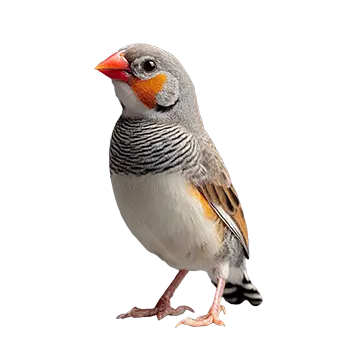

Cage Size and Dimensions

Zebra Finches are active, flight-oriented birds that spend far more of their waking hours in horizontal motion than climbing or hanging vertically. This fundamental behavioral characteristic makes cage width and length substantially more important than height when selecting an enclosure. A single pair of Zebra Finches requires a minimum cage length of thirty inches to allow meaningful flight between perches, though longer enclosures of thirty-six to forty-eight inches provide noticeably better quality of life and more natural movement patterns. Height is not irrelevant, but a tall, narrow cage that restricts horizontal flight fails these birds regardless of its total volume.

The minimum dimension guidelines increase proportionally with the number of birds housed together. Zebra Finches are social species that thrive in groups, but crowding produces stress, feather plucking, aggression, and breeding suppression. A general rule for mixed-sex groups is to add approximately eight to ten inches of cage length per additional pair, though this should be treated as a floor rather than a target. Experienced breeders consistently report that the single most impactful improvement they can make to their birds' health and behavior is to provide more space than the commonly cited minimums suggest.

Flight cages, which are elongated rectangular enclosures specifically designed for finches and other small non-climbing birds, represent the best category of commercially available indoor housing. These cages typically measure between thirty and forty-eight inches in length and are proportioned to maximize horizontal flight distance. Some models are stackable, allowing multiple flight cages to be arranged vertically in the same floor footprint, which is useful for breeders who need to maintain separate pairs or colonies. When evaluating flight cages, pay attention to door size and placement, as narrow or awkwardly positioned doors make routine maintenance and bird handling unnecessarily difficult.

For keepers with the space and resources, a walk-in indoor aviary provides the gold standard in Zebra Finch housing. Aviaries allow true free flight, natural flock dynamics, and enough space for the birds to establish territories and engage in the full range of social behaviors that make Zebra Finches so engaging to observe. Prefabricated aviary panels in powder-coated steel are widely available and can be assembled in modular configurations to fit a variety of room dimensions. The investment is significant but delivers a qualitative difference in bird welfare that smaller enclosures cannot match.

Cage Material and Construction

The material composition of a Zebra Finch enclosure directly affects its durability, safety, and ease of maintenance. Powder-coated steel is the most widely recommended cage material, offering excellent corrosion resistance, structural rigidity, and a non-toxic surface finish that withstands the damp conditions created by daily water changes, bathing, and fresh food offerings. Quality powder coating should be uniform, free of bubbles or thin spots, and applied over properly prepared steel that will not rust if the coating is scratched during cleaning or perch installation.

Stainless steel cages represent the premium tier of cage construction. They are impervious to rust, require no coating that could chip or degrade, and tolerate aggressive cleaning and disinfection without damage. The substantially higher cost of stainless steel is offset by a functional lifespan that can extend for decades, making it a sound investment for serious keepers. However, stainless steel cages are heavier and less widely available in the flight-cage configurations that best suit Zebra Finches, which sometimes requires purchasing from specialty avian suppliers rather than general pet retailers.

Galvanized wire cages, while common and affordable, warrant caution. Older galvanizing processes sometimes left residual zinc on the wire surface, and zinc ingestion is toxic to birds. Modern electro-galvanized wire is generally safer, but any new galvanized cage should be scrubbed thoroughly with a vinegar solution and rinsed before use. Birds that persistently chew or mouth the cage bars, though this behavior is far less common in finches than in parrots, face a higher risk of zinc exposure. When in doubt, powder-coated or stainless steel eliminates the concern entirely.

Bar spacing is a non-negotiable safety specification for Zebra Finch enclosures. The bars must be spaced no wider than one-half inch apart. Spacing wider than this allows Zebra Finches to push their heads through the bars, creating a strangulation risk that is frequently fatal. Many attractive cages marketed broadly as bird cages feature bar spacing designed for larger species and are completely unsuitable for finches. This is one of the most common and most dangerous mistakes new finch keepers make, and it should be verified by measurement rather than trusting product descriptions, which are sometimes inaccurate or refer to a different model in the same product line.

Interior Layout and Perches

The interior arrangement of a Zebra Finch cage determines whether the available space translates into functional living area or becomes a cluttered obstacle course that restricts movement. The guiding principle is to maximize open flight paths while providing enough perches, feeding stations, and resting spots to meet the birds' behavioral needs. Perches should be positioned at varying heights and concentrated toward the cage ends, leaving the central span clear for flight. A common beginner mistake is to fill the cage with perches, toys, and accessories until little open air remains, which defeats the purpose of having purchased an adequately sized enclosure.

Natural wood perches of varying diameters are strongly preferred over dowel rods or plastic perches. The diameter variation exercises the foot muscles and prevents pressure sores that develop when a bird grips the same uniform surface continuously. Branches from bird-safe trees such as apple, willow, birch, and manzanita provide excellent natural perching with the added benefit of irregular shapes and bark textures that promote foot health. Avoid branches from trees treated with pesticides, and research any wood species for toxicity before introducing it into the cage, as several common ornamental trees produce wood or bark that is harmful to birds.

Perch placement should account for the practical realities of droppings and food debris. Perches positioned directly above food or water dishes result in contamination that requires more frequent cleaning and poses hygiene risks. Similarly, perches stacked vertically cause lower birds to be soiled by those above, which is both a health concern and a source of social stress in the flock hierarchy. Arranging perches in a staggered pattern at different heights and horizontal positions minimizes these issues while creating a more interesting and naturalistic environment.

Some keepers incorporate platform perches or small flat shelves, particularly for older birds or those recovering from foot injuries. These broader surfaces give the bird's feet a rest from constant gripping and provide a stable base for preening and sleeping. Zebra Finches also appreciate corner perches or sheltered perching spots positioned near one end of the cage where they can retreat and rest with a sense of security. For breeding setups, a perch positioned near the nest box entrance gives the male a singing post from which to court the hen and defend the nesting territory, which is an important component of successful pair bonding.

Substrate and Cleaning

The cage floor substrate serves both practical and hygienic functions, catching droppings and discarded food while facilitating efficient cleaning routines. Paper-based substrates, including plain newsprint, unprinted butcher paper, and paper cage liners, remain the most widely recommended option among avian veterinarians. Paper is inexpensive, easy to replace daily, and allows owners to visually monitor droppings for changes in color, consistency, or volume, which are among the earliest indicators of illness in small birds. Printed newspaper is generally considered safe since modern newspaper inks are soy-based, though unprinted paper eliminates any concern entirely.

Wood shavings and chips are used by some finch keepers, particularly in aviary settings, but they carry several disadvantages in cage environments. Pine and aspen shavings are considered safe options if used, but cedar shavings must be strictly avoided, as the aromatic phenols released by cedar are toxic to avian respiratory systems. Any wood-based substrate obscures droppings, making health monitoring more difficult, and it holds moisture that can foster mold and bacterial growth if not changed frequently enough. In enclosed cages with limited airflow, the dust generated by wood shavings can also irritate the sensitive respiratory tract of Zebra Finches.

Cleaning frequency should follow a tiered schedule. The cage floor paper or substrate requires daily replacement, or at minimum every other day in lightly stocked cages. Food and water dishes should be washed with hot water daily and sanitized with a bird-safe disinfectant at least weekly. Perches accumulate droppings and should be scraped clean weekly and replaced entirely when they become smooth or saturated despite cleaning. The full cage should receive a thorough deep clean monthly, which involves removing all contents, scrubbing every surface with a bird-safe cleaner, rinsing completely, and allowing the cage to dry before reassembling.

For aviary settings with solid floors, many keepers use a deep-litter approach with a thick layer of clean sand or fine gravel that is raked daily and replaced completely on a regular cycle. This method works well in outdoor or well-ventilated aviaries where airflow prevents moisture buildup, but it is less suitable for indoor enclosures where humidity control is more challenging. Regardless of the substrate chosen, the priority is a cleaning routine that is sustainable for the keeper and effective at preventing the accumulation of ammonia, bacteria, and fungal spores that compromise respiratory health.

Cage Placement and Environment

Where a cage is positioned within the home has profound effects on Zebra Finch health, behavior, and psychological security. The ideal location provides natural light exposure, stable temperatures, visual access to household activity, and protection from environmental hazards. A room where the family spends regular time, such as a living room or home office, allows the birds to acclimate to human presence and household rhythms, which generally produces calmer, more socially confident birds than isolation in a seldom-visited room.

Direct sunlight through a window offers beneficial ultraviolet exposure when the window is open or UV-transmitting, but it also creates dangerous overheating potential when the sun strikes the cage directly for extended periods. Zebra Finches are desert-adapted birds with some heat tolerance, but a closed room with direct sun exposure can reach temperatures that overwhelm even their thermoregulatory capacity. The safest approach is to position the cage where it receives indirect natural light or direct sun for limited periods, with a shaded portion of the cage always available so the birds can self-regulate by moving to a cooler area.

Drafts are a significant concern for finch health. Positioning the cage away from exterior doors, frequently opened windows, air conditioning vents, and heating registers protects the birds from sudden temperature fluctuations and sustained cold airflow, both of which stress the respiratory system and increase susceptibility to infection. A simple candle test, holding a lit candle near the proposed cage location and observing whether the flame flickers, can reveal drafts that are not obvious to human perception. Kitchens are generally unsuitable for bird housing due to cooking fumes, particularly from non-stick cookware that releases polytetrafluoroethylene gas when overheated, which is rapidly lethal to birds.

Cage height affects the birds' sense of security. Zebra Finches feel most comfortable when their enclosure is positioned at or above human chest height, which places the birds at a vantage point from which they can observe the room without feeling threatened by movement above them. A cage placed on the floor or at a low table height produces chronically stressed birds that startle frequently and may never fully settle. Wall-mounted shelves, purpose-built cage stands, and sturdy furniture of appropriate height all serve as effective cage platforms, provided they are stable enough to prevent wobbling when the birds land on perches or during routine cage maintenance.

Outdoor and Flight Aviaries

Outdoor aviaries offer Zebra Finches the benefits of natural sunlight, fresh air, ambient temperature cycling, and vastly more space than any indoor cage can provide. In climates where temperatures remain between roughly fifty and ninety-five degrees Fahrenheit, an outdoor aviary can serve as a year-round primary residence or a seasonal living space during warmer months. The key considerations for outdoor aviary design are predator protection, weather shielding, and escape prevention, all of which require more robust construction than indoor housing demands.

Predator protection is the single most critical design element. The aviary must be enclosed on all sides, including the top and bottom, with welded wire mesh of no more than one-half-inch spacing. Hardware cloth is strongly preferred over standard chicken wire, which is too flimsy to resist determined predators such as raccoons, cats, rats, and snakes. All mesh connections should be secured with cage clips or welded joins rather than twist ties, which can be pried apart. A double-door entry system, consisting of a small vestibule between two doors, prevents accidental bird escape during keeper entry and creates an airlock that stops most intruders.

Weather protection requires a solid roof over at least one-third of the aviary footprint, providing shelter from rain, hail, and intense midday sun. The covered area should contain the primary feeding stations, water sources, and preferred roosting perches, so the birds can access essential resources without exposure to adverse conditions. Solid panels along the back and one side wall provide windbreaks that buffer against cold gusts, while the remaining mesh walls maintain ventilation and visual openness. In regions prone to heavy rain, sloped roofing with adequate overhang prevents water pooling and keeps the covered area truly dry.

Flooring options for outdoor aviaries include natural earth, concrete, and paving. Natural earth planted with grasses and small shrubs provides the most stimulating and naturalistic environment, but it also offers the least protection against burrowing predators. A layer of hardware cloth buried horizontally twelve inches below ground level around the aviary perimeter prevents digging entry while still allowing natural drainage. Concrete floors are easier to clean and predator-proof but require a drainage slope and regular washing to prevent waste buildup. Many successful aviary designs use concrete foundations with a thick layer of sand or fine gravel on top, combining predator resistance with a semi-natural surface that finches can forage through.

Breeding and Nursery Enclosures

Zebra Finches breed readily in captivity, which makes appropriate breeding enclosure design an important consideration for any keeper who houses mixed-sex groups. Even owners who do not intend to breed should understand the spatial and structural requirements, since Zebra Finches will attempt to nest in virtually any environment if both sexes are present. A dedicated breeding cage or enclosure gives the keeper control over pairing, nesting success, and the welfare of both parent birds and chicks in ways that a colony breeding arrangement does not.

Breeding cages for individual pairs should be at least twenty-four inches long, though thirty inches or more is preferable to give the pair adequate flight space alongside the nest. The cage should accommodate a nest box or woven nest basket attached to the exterior or mounted high on the interior wall, along with sufficient soft nesting material for the pair to construct a proper nest. Commercially available finch nest boxes with removable lids for inspection are the most practical option, as they allow the keeper to monitor egg laying, incubation progress, and chick development without excessively disturbing the nesting pair.

Colony breeding in larger aviaries is the alternative approach, where multiple pairs share a communal space with numerous nest sites available. This method more closely approximates natural breeding conditions and produces less individual-pair stress, but it requires careful population management and surplus nest boxes to reduce competition. The general recommendation is to provide at least two nest sites per pair, positioned at the same height to prevent disputes over preferred locations. Colony breeding inevitably produces more chicks than planned, so a clear strategy for rehoming or housing surplus birds must be established before the breeding season begins.

Nursery cages for weaned juveniles serve an important transitional function. Young Zebra Finches that are fully feathered and feeding independently benefit from a period in a dedicated juvenile enclosure where they can build flight strength and social skills before joining the adult colony. These cages should be the same size as an adult flight cage and furnished with easily accessible food and water stations positioned slightly lower than in adult enclosures, since juveniles are less agile than experienced adults. Separating juveniles by sex at around the six-week mark prevents premature breeding, which can harm underdeveloped hens that are physically too young to produce eggs safely.

Always consult a qualified professional before making any health-related decisions. This content is provided for informational reference only and should not replace professional guidance specific to your animal.