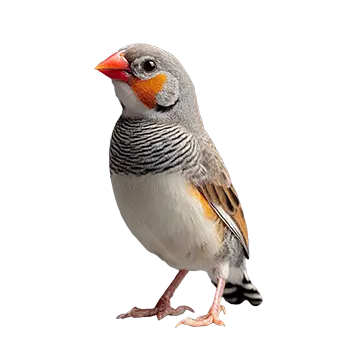

Zebra Finches are small, high-metabolism birds that require a carefully balanced diet to sustain their constant activity levels and maintain feather condition. In the wild, they are primarily granivores, feeding on a range of grass seeds that vary seasonally across the arid and semi-arid landscapes of Australia. Captive diets must replicate this nutritional foundation while compensating for the reduced foraging effort and activity that characterize life in an enclosure. A diet that falls short in any major nutrient category will show consequences quickly in a bird this small, often within weeks rather than months.
Protein requirements fluctuate significantly depending on the bird's life stage. During molt, Zebra Finches need elevated protein to support the rapid production of new feathers, which are composed almost entirely of keratin. Breeding pairs and hens producing eggs have similarly heightened demands, as egg formation draws heavily on protein reserves and calcium stores. Outside of these periods, a maintenance-level protein intake is sufficient, and excessive protein can place unnecessary strain on the kidneys over time.
Fat is an important energy source for Zebra Finches, but the balance must be carefully managed. Seeds like niger and flax provide beneficial omega fatty acids that support skin health and feather luster, while oil-heavy seeds such as sunflower and hemp should be offered sparingly. Captive finches are prone to hepatic lipidosis, a fatty liver condition that develops when caloric intake consistently exceeds energy expenditure. Because Zebra Finches are enthusiastic eaters that will preferentially select high-fat seeds when given the option, the seed mix composition itself becomes the primary tool for controlling fat intake.
Micronutrients including calcium, iodine, and vitamins A and D play outsized roles in Zebra Finch health relative to the bird's small body size. Calcium is essential for bone density, eggshell formation, and muscle function, while iodine supports thyroid health and prevents goiter, a condition that Zebra Finches are particularly susceptible to when fed iodine-deficient diets. Vitamin D facilitates calcium absorption and is best obtained through controlled exposure to full-spectrum lighting or through fortified foods, since indoor birds receive negligible ultraviolet radiation from window-filtered sunlight.