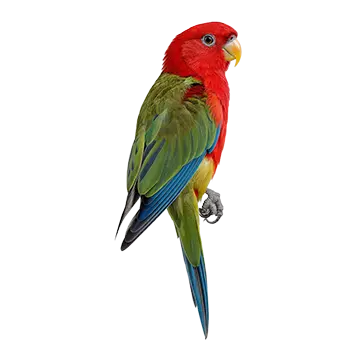

The Western Rosella is an inquisitive and active species that devotes a significant portion of its waking hours to foraging, exploring, and manipulating objects in the wild. In their native southwestern Australian habitat, these birds spend their days moving through woodland and open country, investigating seed heads, stripping bark, probing leaf litter, and interacting with a constantly changing natural environment. Captive housing, no matter how spacious, cannot replicate this level of environmental complexity without deliberate enrichment planning.
Boredom and under-stimulation are among the most common welfare issues in captive parakeets, and the consequences extend well beyond simple inactivity. A Western Rosella that lacks adequate mental and physical stimulation may develop stereotypic behaviors such as repetitive pacing, excessive screaming, or feather-destructive habits that can escalate into self-mutilation. These behavioral problems are far easier to prevent through proactive enrichment than to resolve once they have become established patterns.
The enrichment approach for Western Rosellas should reflect the species' natural behavioral repertoire. Rosellas are primarily seed foragers rather than nut crackers, which means their enrichment preferences tend toward shredding, tearing, and manipulating lightweight materials rather than the heavy-duty chewing that characterizes larger parrots. They are also ground foragers in the wild, spending considerable time on the floor of their environment searching through substrate for food. Enrichment strategies that incorporate floor-level foraging opportunities tap into this instinct effectively.
A well-designed enrichment program rotates toys and activities on a regular schedule, typically introducing new items every few days while temporarily removing others. This rotation maintains novelty, which is the primary driver of engagement for most parakeets. A toy that has been ignored for weeks may suddenly become fascinating again after a period of absence. Maintaining a library of toys and cycling them through the cage ensures the bird always has something relatively new to investigate without requiring constant purchases.