
Nutritional Needs

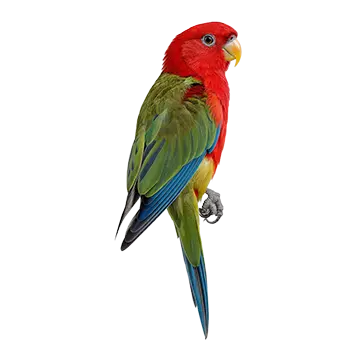
The Western Rosella, Platycercus icterotis, is the smallest member of the rosella group and originates from the woodlands and open forests of southwestern Australia. In the wild, this species feeds on a varied diet of grass seeds, native plant seeds, fruits, blossoms, nectar, and small insects. Replicating that dietary breadth in captivity is essential for maintaining the bird's vivid plumage, strong immune function, and overall vitality across a lifespan that can reach twenty-five years under optimal conditions.

Unlike larger parrots that may tolerate dietary shortcuts for extended periods before showing clinical signs of deficiency, small to medium parakeets like the Western Rosella have faster metabolisms and less nutritional reserve. A diet that is even moderately deficient in key vitamins or minerals can produce visible effects within weeks, including dull feathering, flaky skin around the beak and feet, lethargy, and increased susceptibility to respiratory infections. This metabolic sensitivity makes food quality a front-line health concern rather than a background consideration.

Protein requirements for the Western Rosella are moderate compared to larger psittacines but should not be overlooked. During breeding season and the annual molt, protein demand increases significantly, and the diet should be adjusted accordingly with egg food, sprouted seeds, or small amounts of cooked legumes. Outside of these periods, a baseline protein level of roughly twelve to fourteen percent of total dietary intake is generally sufficient for maintenance.

Fat intake should be kept relatively low. Western Rosellas are active flyers in the wild, covering considerable distances daily in search of food. In captivity, even with a spacious aviary, their energy expenditure is substantially reduced. A diet heavy in oily seeds like sunflower and safflower can quickly lead to hepatic lipidosis and obesity, both of which are common and potentially fatal conditions in captive rosellas. The dietary fat content should be managed primarily through seed selection and portion control.

What to Look For

Selecting food products for a Western Rosella begins with understanding the distinction between a diet built around variety and one that relies on a single product to deliver complete nutrition. Most experienced rosella keepers use a combination of a quality seed mix, a supplementary pellet, fresh produce, and occasional treats. No single commercial product can replicate the nutritional diversity these birds encounter in their native habitat, so the selection process is really about assembling a complementary portfolio of foods rather than finding one perfect option.

When evaluating seed mixes, the ingredient list is the first and most important checkpoint. A quality small-parakeet or Australian-species seed mix should feature a foundation of canary seed, white millet, and Japanese millet, supplemented with smaller proportions of oats, buckwheat, and a limited amount of safflower or small sunflower seeds. Mixes that list sunflower as a primary ingredient or that contain large volumes of peanut pieces are formulated for larger parrots and are inappropriately high in fat for rosellas.

Freshness is a critical and often underappreciated factor in seed quality. Seeds are living organisms that gradually lose nutritional value after harvest. Rancid or stale seeds not only deliver diminished nutrition but can harbor mold and aflatoxins that pose serious health risks. Seeds should smell clean and slightly grassy, never musty or sour. Purchasing from suppliers with high inventory turnover and storing seeds in airtight containers in a cool, dry location helps ensure the bird receives seeds at their nutritional peak.

For pellet supplements, look for products formulated for small parakeets or Australian species. The pellet should be appropriately sized for the Western Rosella's smaller beak, typically in the small to medium range. Ingredients should be based on whole grains and vegetables rather than corn derivatives and sugar. While pellets are not the dietary centerpiece for rosellas the way they are for some larger parrots, they serve a valuable role in filling nutritional gaps that a seed-based diet may leave, particularly in vitamin and mineral content.

Seed Mixes and Pellet Options

Seed remains the dietary foundation for most captive Western Rosellas, reflecting the seed-centric foraging behavior of wild rosellas across the Australian landscape. The ideal seed blend for this species emphasizes small, low-fat seeds that match the size and nutritional profile of the native grasses and plants the bird would encounter in southwestern Australia. Canary seed should form the largest single component, typically thirty to forty percent of the total mix, due to its favorable protein-to-fat ratio and high palatability for rosellas.

White and Japanese millet provide carbohydrate energy and are readily accepted by virtually all rosellas. These should collectively make up another twenty to thirty percent of the mix. Smaller quantities of oat groats, hemp seed, and a modest amount of safflower seed round out a well-balanced blend. Some keepers add a small percentage of niger seed for its omega fatty acid content and coat-conditioning properties, though it should remain a minor component due to its relatively high oil content.

Pellets occupy a supplementary role in Western Rosella nutrition. Unlike cockatoos or African Greys, which can thrive on pellet-dominant diets, rosellas tend to be less enthusiastic about pellets and may reject them entirely if not introduced gradually. The most successful approach is to offer pellets in a separate dish alongside the seed mix, allowing the bird to self-select. Over time, many rosellas will develop a habit of nibbling pellets throughout the day, effectively boosting their vitamin and mineral intake without requiring the keeper to micromanage supplementation.

The pellet market offers both maintenance and breeding formulations. Maintenance pellets are appropriate for the majority of the year and typically contain balanced levels of all essential nutrients without the elevated protein and calcium found in breeding formulations. Switching to a breeding or high-performance pellet during the breeding season and the molt provides targeted nutritional support during the periods of highest physiological demand.

Fresh Foods and Vegetables

Fresh produce is the component of the Western Rosella's diet that most directly bridges the gap between captive feeding and wild nutritional variety. In their native range, rosellas consume a wide array of plant materials beyond seeds, including eucalyptus blossoms, native fruits, leaf buds, and herbaceous vegetation. Offering a diverse rotation of fresh foods in captivity provides vitamins, minerals, antioxidants, and dietary fiber that dry seed and pellets cannot fully deliver.

Dark leafy greens form the backbone of the fresh food offering. Kale, dandelion greens, endive, Swiss chard, and bok choy all provide excellent calcium, iron, and vitamin A precursors. These greens can be offered whole, clipped to the cage bars to encourage natural foraging behavior, or chopped and mixed into a salad-style blend. Rotating among several types of greens from week to week ensures broad micronutrient coverage and prevents the bird from becoming fixated on a single food item.

Orange and yellow vegetables contribute beta-carotene, which the body converts to vitamin A as needed. Grated carrot, small pieces of butternut squash, and slices of sweet bell pepper are typically well-accepted by Western Rosellas. Corn on the cob, offered fresh or lightly steamed, provides both nutritional value and significant enrichment as the bird works to strip the kernels. Broccoli florets deliver calcium and vitamin C in a form that most rosellas find palatable and enjoyable to manipulate with their feet and beaks.

Fruit should be offered in limited quantities due to its sugar content but serves as an excellent motivator for birds that are reluctant to try new foods. Small pieces of apple, pear, grapes, and berries are generally safe and well-received. Native Australian fruits and blossoms, when available, are particularly appropriate for this species. It is important to wash all produce thoroughly and remove any uneaten fresh food within a few hours to prevent bacterial growth, especially in warm weather.

Treats and Supplements

Treats play a meaningful role in building trust and facilitating interaction with Western Rosellas, which tend to be more reserved than some other parakeet species. Because rosellas can be slow to warm up to human contact, food-based positive reinforcement is one of the most effective tools for socialization. Spray millet is perhaps the most universally accepted treat among small to medium parakeets, and Western Rosellas are no exception. It can be offered by hand to encourage approach behavior or hung in the cage as an enrichment activity.

Seed-based treat sticks and honey bars are widely available but should be evaluated critically. Many commercial treat sticks bind seeds together with sugar, honey, or artificial flavoring agents that add unnecessary calories without nutritional benefit. If using treat sticks, select products that use minimal binding agents and feature a variety of small seeds rather than large quantities of sunflower or peanut. Alternatively, some manufacturers produce baked seed treats with added vitamins that offer a better nutritional profile than traditional honey-coated varieties.

Mineral supplementation for Western Rosellas typically centers on calcium and iodine. A cuttlebone or mineral block should be available in the cage at all times, serving as both a calcium source and a beak-conditioning tool. Iodine deficiency can cause thyroid enlargement in parakeets, a condition historically common in budgerigars and also documented in rosellas. An iodine-enriched mineral block or a small iodine bell addresses this risk with minimal effort from the keeper.

Vitamin supplements are generally unnecessary for a Western Rosella eating a well-rounded diet of quality seed, pellets, and daily fresh produce. However, during periods of stress, illness recovery, or dietary transition, a water-soluble avian multivitamin can provide a temporary nutritional safety net. These products should be used according to package directions or veterinary advice, and the treated water should be replaced daily to prevent bacterial growth. Over-supplementation, particularly of fat-soluble vitamins, carries its own health risks and should be avoided.

Foods to Avoid

Several categories of food are toxic or harmful to Western Rosellas and must be excluded from the diet entirely. Avocado ranks as the most dangerous common food, as all parts of the fruit contain persin, a fungicidal compound that causes cardiac failure and respiratory distress in birds. Even small amounts can be lethal, and there is no safe portion size. Avocado should never be present in any food preparation area where bird food is also being handled.

Chocolate and caffeine-containing foods are similarly dangerous. Theobromine and caffeine affect the avian cardiovascular and nervous systems at doses far below what would cause symptoms in mammals. Coffee, tea, chocolate in any form, and energy drinks must all be kept away from the bird. Alcohol, though less commonly encountered as a risk, is extremely toxic to birds in even trace amounts and can cause rapid organ failure.

Onions and garlic contain organosulfur compounds that damage avian red blood cells, potentially leading to hemolytic anemia with cumulative exposure. This applies to all forms, including raw, cooked, dried, and powdered. Because these ingredients are so common in human cooking, keepers who share table foods with their birds must be vigilant about checking ingredient lists and preparation methods. The safest practice is to prepare the bird's fresh food separately from human meals.

High-salt foods pose a particular risk to small birds like the Western Rosella. Their kidneys have limited capacity to process sodium, and excessive salt intake can quickly lead to dehydration, polydipsia, and renal stress. Processed foods such as chips, crackers, bread, and cheese should not be offered. Similarly, fruit pits and apple seeds contain amygdalin, which converts to hydrogen cyanide during digestion. While the risk from a single seed is low, the safest practice is to core and deseed all fruit before offering it. Raw or dried beans contain hemagglutinin, a toxic lectin that is neutralized only by thorough cooking.

Feeding Schedule and Portion Control

Establishing a predictable feeding routine benefits the Western Rosella both physically and behaviorally. In the wild, rosellas forage primarily during the cooler morning and late afternoon hours, resting during the midday heat. A captive feeding schedule that mirrors this pattern, with fresh foods offered in the morning and a seed-and-pellet baseline available throughout the day, aligns with the bird's natural circadian rhythm and encourages healthy eating behavior.

Portion sizing for a Western Rosella should reflect the bird's small body mass, which typically ranges from fifty to seventy grams in a healthy adult. A daily seed ration of approximately one and a half to two tablespoons, combined with a tablespoon of fresh vegetables and a smaller amount of pellets, provides adequate nutrition without encouraging overconsumption. These quantities should be adjusted based on the individual bird's activity level, body condition, and whether it is in a breeding or molting cycle.

Monitoring food consumption patterns provides valuable health information. A sudden decrease in appetite or a shift in food preferences can be an early indicator of illness, as birds instinctively mask symptoms of weakness to avoid predation. Keepers should observe not just whether the food dish appears emptied but whether the bird is actually consuming the food or merely husking seeds and discarding them. Weighing the bird weekly on a gram-accurate scale is the most reliable method for tracking nutritional status over time.

Fresh food should be removed from the cage within three to four hours of being offered, particularly during warm months when bacterial growth accelerates rapidly. Water should be changed at least twice daily, and more frequently if the bird tends to dunk food in its water dish, a common behavior in rosellas that can quickly contaminate the water supply. Dishes should be washed with hot water and a bird-safe detergent daily, with periodic disinfection to prevent biofilm accumulation.

Always consult a qualified professional before making any health-related decisions. This content is provided for informational reference only and should not replace professional guidance specific to your animal.