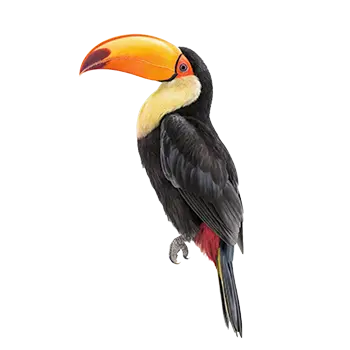

Toucans are frugivores, meaning the vast majority of their diet in the wild consists of fresh fruit. Unlike many parrots and hookbills, toucans have a relatively short digestive tract that processes food quickly, which means they need frequent meals of easily digestible, nutrient-dense foods throughout the day. Their metabolism is fast and unforgiving — missed meals or nutritionally empty food choices can lead to rapid weight loss and health decline.
One of the most critical nutritional concerns for captive toucans is iron storage disease, also known as hemochromatosis. Toucans are highly susceptible to absorbing and retaining excess dietary iron, which accumulates in the liver and other organs over time and can be fatal. This means that every food product chosen for a toucan must be evaluated not only for its vitamin and calorie content but also for its iron levels. Low-iron diets are not optional — they are a medical necessity for this species.
In addition to fruit, toucans benefit from small amounts of animal protein in the form of insects or the occasional pinky mouse, which mimics their opportunistic feeding behavior in the wild. Calcium and vitamin A are two nutrients that require careful attention, as deficiencies in either can cause serious skeletal and eye problems. A well-rounded toucan diet balances fresh fruit, a quality low-iron softbill pellet, and supplemental protein sources in carefully managed proportions.
Hydration is another factor that sets toucans apart from seed-eating birds. Because their diet is so moisture-rich, toucans derive much of their water intake from the fruit they eat. However, clean drinking water should always be available, and keepers should be mindful that dehydration can occur quickly if a toucan refuses food due to stress, illness, or environmental changes.