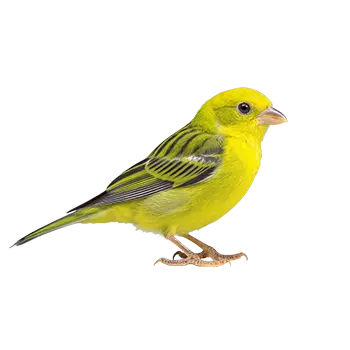

Nutritional Needs

The Spanish Timbrado Canary is a small but metabolically active songbird that demands a carefully balanced diet to maintain its renowned vocal performance, vibrant plumage, and overall vitality. Weighing only around twenty grams, this breed burns through calories rapidly relative to its body size, and any nutritional shortfall manifests quickly in diminished song quality, dull feathering, or lethargy. Understanding the specific dietary requirements of the Timbrado is the first step toward selecting the right food products.

Carbohydrates and fats provide the primary energy substrates for canaries, but the ratio between them matters considerably. A diet excessively high in fat, typically caused by overreliance on oilseeds like niger or flax, can lead to hepatic lipidosis and obesity, both of which are common and serious conditions in captive canaries. Conversely, a diet too low in fat leaves the bird without adequate energy reserves, particularly during the demanding molting and breeding seasons when caloric needs spike sharply.

Protein requirements fluctuate throughout the year in a pattern tied to the Timbrado's natural biological cycles. During the molt, when the bird is replacing its entire plumage, protein needs increase substantially to support keratin synthesis. Breeding hens require additional protein for egg production. Outside these periods, a moderate protein level of roughly twelve to fifteen percent of the diet by weight is generally sufficient. Selecting food products that allow owners to adjust protein intake seasonally is an important consideration.

Vitamins and minerals round out the nutritional picture. Calcium is essential for bone density and eggshell formation, while vitamin A supports respiratory and epithelial health. The B-complex vitamins play a role in nervous system function and energy metabolism, both of which directly influence singing behavior. Iodine is another nutrient of particular concern for canaries, as deficiency leads to thyroid enlargement and can suppress song output entirely. A complete diet should address all of these micronutrient needs without requiring excessive supplementation.

What to Look For

When evaluating seed mixes for the Spanish Timbrado Canary, the ingredient list tells the most important story. A quality canary seed mix should list canary grass seed as its primary ingredient, typically comprising fifty to sixty percent of the blend. This species-appropriate base seed is lower in fat than many alternatives and provides the carbohydrate backbone of the diet. Supporting seeds should include rapeseed for its protein and fat content, small amounts of niger seed for essential fatty acids, and trace quantities of linseed, hemp seed, and oat groats for variety.

Avoid mixes that pad their volume with cheap filler seeds like milo or excessive quantities of oats, which canaries often discard. Similarly, mixes containing large sunflower seeds are formulated for larger finch species or parrots and are inappropriate for canaries. The seeds should appear clean, dry, and free of dust or debris. A musty smell indicates improper storage and possible mold contamination, which poses a serious respiratory hazard to small birds. Buying from suppliers with high product turnover helps ensure freshness.

For owners considering pelleted diets, look for products specifically formulated for canaries or small finches rather than generic bird pellets. Canary-specific pellets are sized appropriately for the Timbrado's small beak and are formulated with the particular nutritional ratios that canaries require. The best pellet products use natural ingredients without artificial dyes or flavors, and they should list their guaranteed nutritional analysis clearly on the packaging so owners can compare formulations meaningfully.

Fresh food products designed for canaries, including egg food mixes, sprouting seed blends, and dried vegetable supplements, should be evaluated for ingredient transparency and minimal processing. Egg food, a staple of canary husbandry during breeding and molting, varies enormously in quality. The best versions use real dried egg as their primary protein source rather than soy-based substitutes, and they include supplementary vitamins and minerals without relying heavily on sugar or artificial binders to improve palatability.

Recommended Seed Mixes & Pellets

The traditional canary seed mix remains the dietary cornerstone for most Spanish Timbrado owners, and the market offers a wide spectrum of quality. Premium seed blends designed for song canaries typically incorporate a broader variety of grass seeds and small oilseeds than budget alternatives, providing a more complete nutritional profile from the seed component alone. Some manufacturers produce mixes labeled specifically for song canary breeds, which may include ingredients like perilla seed, a favorite of European canary breeders that is rich in omega-3 fatty acids believed to support vocal health.

Pelleted diets offer the advantage of preventing selective feeding, a common problem with seed mixes where canaries pick out their favorite seeds and leave the rest. This behavior can create nutritional imbalances even when the mix itself is well-formulated. Small-gauge pellets designed for canaries eliminate this issue by ensuring that every bite delivers the same balanced nutrition. However, transitioning a seed-raised Timbrado to pellets requires patience, often taking several weeks of gradual mixing before the bird accepts the new food form.

A blended approach that combines a quality seed mix with a supplemental pellet offering gives many owners the best of both worlds. The seed mix provides foraging enrichment and the natural feeding behavior that canaries find satisfying, while the pellet component fills any nutritional gaps left by selective eating. This approach is particularly popular among Timbrado breeders who want to ensure consistent nutrition across a flock without eliminating the behavioral benefits of seed-based feeding.

Seasonal specialty mixes deserve mention as well. Conditioning mixes, often richer in oilseeds and sometimes including dried insects or additional protein sources, are formulated to support canaries through the physical demands of breeding season. Molting mixes emphasize sulfur-containing amino acids like methionine that support feather regrowth. Song mixes sometimes incorporate specific seeds like hemp or perilla that breeders traditionally associate with improved vocal performance. While the scientific evidence for seed-specific vocal enhancement is limited, these targeted blends do generally provide appropriate nutritional adjustments for the relevant life stage.

Fresh Foods & Egg Food

Fresh foods are an essential but often underutilized component of the Spanish Timbrado Canary's diet. Dark leafy greens like dandelion leaves, chickweed, watercress, and romaine lettuce provide vitamins, minerals, and hydration that processed foods cannot fully replicate. Dandelion greens are particularly valuable, offering high levels of calcium, iron, and vitamin A in a form that canaries readily accept. Fresh greens should be offered daily in small quantities, washed thoroughly to remove pesticide residues, and removed before they wilt to prevent bacterial growth in the cage.

Vegetables beyond leafy greens also have a place in the Timbrado's diet. Grated carrot provides beta-carotene, broccoli florets deliver calcium and vitamin C, and small pieces of cucumber or zucchini offer hydration and trace minerals. Introducing fresh vegetables early in a canary's life makes acceptance much easier, but even adult birds can learn to eat new foods with persistent offering. Presenting fresh foods in varied ways, clipped to the cage bars, chopped into a feeding dish, or threaded onto a vegetable skewer, can encourage exploration.

Egg food is a critical dietary supplement during breeding and molting periods, and many canary keepers offer it year-round in smaller quantities as a protein boost. Commercial egg food products range from simple dried egg and breadcrumb mixtures to complex formulations incorporating honey, vitamins, minerals, and dried insects. The best products provide a protein content of roughly eighteen to twenty-two percent and crumble easily, allowing the canary to consume it without difficulty. Some owners prefer to make their own egg food by combining hard-boiled egg with finely ground rusks or breadcrumbs, which allows complete control over ingredients.

Sprouted seeds bridge the gap between dry seeds and fresh vegetables, offering dramatically increased vitamin content and reduced fat compared to their unsprouted counterparts. Canary-appropriate sprouting blends typically include rapeseed, radish seed, mung beans, and various grass seeds that germinate quickly and reliably. The sprouting process takes roughly twenty-four to forty-eight hours and requires careful rinsing to prevent mold. Ready-to-feed sprouted seed products are available from some specialty suppliers for owners who want the nutritional benefits without the daily preparation commitment.

Supplements & Minerals

Mineral supplementation is non-negotiable for captive canaries, and the Spanish Timbrado is no exception. Cuttlebone remains the most widely used calcium source, providing a gnawable mineral block that also helps keep the beak trimmed and in proper condition. A fresh cuttlebone should be available at all times, mounted with the soft side facing the bird for easy consumption. Mineral blocks that combine calcium carbonate with trace minerals like iodine, iron, and zinc offer a broader micronutrient profile than cuttlebone alone and serve as a useful complement.

Grit is a subject of ongoing debate in canary husbandry. Traditional practice holds that canaries, which hull their seeds before swallowing, do not strictly require insoluble grit for digestion in the way that poultry or pigeons do. However, many experienced breeders offer a small dish of mineralized grit containing oyster shell fragments, charcoal, and trace minerals, arguing that it serves as both a supplemental mineral source and a digestive aid. Whether or not grit is essential, it should be offered in limited quantities and refreshed regularly to prevent contamination.

Liquid vitamin supplements designed for cage birds can address specific deficiencies but should be used with restraint. Water-soluble vitamin preparations added to the drinking water are convenient but make it difficult to control dosage precisely, and they can promote bacterial growth in the water if not changed frequently. Powdered supplements sprinkled over egg food or soft foods allow somewhat better dosage control. The most important supplemental vitamins for canaries are A, D3, and E, along with the B-complex group. Iodine supplementation, often delivered through iodine-enriched mineral blocks or water additives, is particularly important in regions where dietary iodine is naturally low.

Specialized supplements marketed for song enhancement, often containing amino acids, B vitamins, and herbal extracts, are popular among competitive Timbrado breeders. While the efficacy of these products varies and scientific validation is sparse, the underlying nutritional premise is sound: a bird in optimal nutritional condition will sing more consistently and with greater complexity than one suffering from even mild deficiencies. The most reputable of these products contain well-dosed, identifiable ingredients rather than proprietary blends that obscure what the bird is actually receiving.

Foods to Avoid

Certain foods pose serious health risks to the Spanish Timbrado Canary and must be strictly excluded from the diet. Avocado tops the list of avian toxins, as its flesh, skin, and pit all contain persin, a fungicidal compound that causes respiratory distress, cardiac failure, and death in birds. Even small amounts are dangerous, and no part of the avocado plant should be accessible to canaries. Chocolate and foods containing caffeine are similarly toxic, causing cardiac arrhythmias and neurological symptoms that are often fatal in a bird of this size.

Allium vegetables, including onion, garlic, leeks, and chives, contain organosulfur compounds that damage avian red blood cells and can cause hemolytic anemia with repeated exposure. While a single accidental exposure to a tiny amount may not cause acute illness, these ingredients have no place in a canary's diet and should be kept well away from food preparation areas used for bird meals. This caution extends to powdered forms of these vegetables, which are often hidden in seasoning blends and processed foods.

High-salt and high-sugar foods are particularly dangerous for small birds like canaries because their tiny body mass leaves almost no margin for error in electrolyte balance. Table salt, salted snacks, and processed human foods can overwhelm a canary's kidneys rapidly. Similarly, sugary foods promote yeast overgrowth in the digestive tract and contribute to obesity. Honey, while sometimes used in small quantities in egg food preparations, should not be offered in its raw form due to the risk of botulism spores.

Fruit seeds and pits from apples, cherries, plums, and peaches contain cyanogenic glycosides that release hydrogen cyanide during digestion. Given the Timbrado's minuscule body weight, even a small amount of these compounds can be proportionally significant. When offering fruit as a dietary supplement, always remove all seeds and pits beforehand. Lettuce varieties with very high water content and minimal nutritional value, such as iceberg lettuce, should also be avoided, not because they are toxic but because they can cause digestive upset and diarrhea while providing negligible nutrition.

Feeding Schedule & Portions

The Spanish Timbrado Canary's high metabolic rate demands consistent access to food throughout the day. Unlike larger parrot species that can be meal-fed on a schedule, canaries should always have their primary seed mix or pellet supply available. A small canary can consume roughly one to one and a half teaspoons of seed per day, though actual intake varies with activity level, ambient temperature, and reproductive status. Seed dishes should be checked and topped off daily, and empty hulls that accumulate on the surface should be blown away so the bird can access whole seeds beneath.

Fresh foods are best offered in the morning, when the bird is most active and receptive to eating. A small portion of greens, grated vegetable, or sprouted seeds placed in a separate dish gives the bird access to these nutrient-dense foods at the time of day when foraging motivation is highest. Any fresh food that has not been consumed within a few hours should be removed to prevent spoilage, particularly in warm environments where bacterial growth accelerates rapidly.

Egg food and soft food supplements follow a seasonal rhythm. During breeding season and the molt, egg food can be offered daily in small quantities, roughly a half teaspoon per bird. Outside these demanding periods, egg food two to three times per week is sufficient to provide supplemental protein without contributing to excessive weight gain. Some breeders reduce egg food frequency further during the rest period between breeding and molting to keep their birds lean and active.

Water management is often overlooked but critically important. Fresh, clean drinking water must be available at all times, and water containers should be cleaned and refilled daily to prevent algae growth and bacterial contamination. If liquid vitamin supplements are added to the water, the supplemented water should be replaced more frequently than plain water, as the added nutrients create a more hospitable environment for microbial growth. Some owners use water bottle dispensers rather than open dishes to keep the water supply cleaner, though not all canaries adapt readily to bottle-style drinkers.

Always consult a qualified professional before making any health-related decisions. This content is provided for informational reference only and should not replace professional guidance specific to your animal.