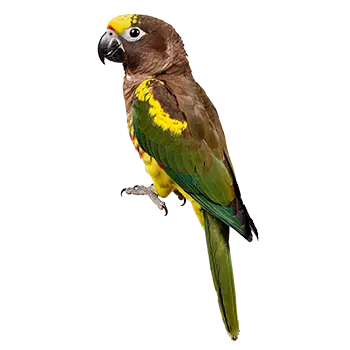

Nutritional Needs

Meyer's Parrots are small Poicephalus parrots native to the woodlands and savannas of sub-Saharan Africa, where they forage on a varied diet of seeds, fruits, blossoms, and occasional insect protein. In captivity, replicating that nutritional diversity is essential for maintaining feather quality, immune function, and long-term organ health. Their metabolism is moderately active, and they are prone to obesity if fed a seed-heavy diet without adequate exercise or portion control.

A well-balanced diet for a Meyer's Parrot should consist of approximately 60 to 70 percent high-quality formulated pellets, with the remainder made up of fresh vegetables, fruits, and occasional supplementary foods. This ratio ensures they receive consistent levels of vitamins A, D3, and E along with calcium and essential amino acids that are difficult to achieve through seeds alone. Unlike larger parrots, Meyer's Parrots have relatively modest caloric requirements, so overfeeding calorie-dense foods can lead to fatty liver disease and other metabolic problems.

Vitamin A deficiency is one of the most common nutritional issues seen in captive Poicephalus species. Signs include dull plumage, flaky skin around the nares, and increased susceptibility to respiratory infections. Offering dark leafy greens, sweet potatoes, and carrots regularly helps prevent this deficiency naturally. Calcium is another nutrient to monitor, especially in breeding hens, and can be supported through cuttlebone, mineral blocks, or calcium-enriched pellets.

Fresh water should always be available and changed at least twice daily, as parrots often dip food into their water bowls, leading to rapid bacterial growth. Some owners prefer water bottles designed for birds to keep the supply cleaner, though not all Meyer's Parrots will adapt to drinking from a sipper tube. Monitoring daily food intake and droppings gives you the clearest picture of whether your bird's nutritional needs are being met.

What to Look For in Pellets & Seed Mixes

When selecting a formulated pellet for your Meyer's Parrot, look for products designed specifically for small to medium parrots or Poicephalus species. The ingredient list should feature whole grains, legumes, and natural sources of vitamins rather than relying heavily on artificial colors, flavors, or sugar coatings. Many lower-quality pellets use dyes to make the food visually appealing to owners, but these additives offer no nutritional benefit and some birds selectively eat only certain colors, defeating the purpose of a balanced formulation.

Pellet size matters for Meyer's Parrots. They have relatively small beaks compared to Amazons or African Greys, so a pellet labeled for cockatiels or small parrots is often easier for them to handle and reduces waste. Some manufacturers offer pellets in multiple sizes within the same nutritional formula, which allows you to match the product to your bird's preference without compromising on quality.

If you choose to include a seed mix as part of the diet, it should represent no more than 15 to 20 percent of total intake. Look for mixes that include a variety of seeds such as safflower, millet, canary grass seed, and small amounts of hemp or flax. Avoid mixes that are predominantly sunflower seeds, as these are extremely high in fat and low in essential nutrients. A good seed mix for a Meyer's Parrot should look varied in size and color, not dominated by any single seed type.

Transitioning a seed-addicted Meyer's Parrot to pellets requires patience. Many birds resist the change initially because seeds are more palatable and familiar. Gradual introduction works best — mixing a small amount of pellets into the existing seed blend and slowly increasing the ratio over several weeks. Monitoring your bird's weight during this transition is important to ensure they are actually eating the pellets and not simply picking around them.

Recommended Dry Food Formats

Extruded pellets are the most common dry food format for parrots and offer the advantage of uniform nutrition in every bite. Because the ingredients are blended before shaping, your Meyer's Parrot cannot selectively eat preferred components and skip others. This consistency is particularly valuable for birds transitioning from an all-seed diet, as it ensures they receive complete nutrition even if they eat less volume than they did with seeds.

Cold-pressed or naturally processed pellets are an alternative that some owners prefer because they undergo less heat during manufacturing, which may preserve more of the natural enzymes and heat-sensitive vitamins. These products tend to be crumblier in texture, which some Meyer's Parrots enjoy because the softer consistency is easier to break apart. The tradeoff is that cold-pressed pellets may have a shorter shelf life and can spoil more quickly in humid environments.

Granule and crumble formats fall between traditional pellets and loose seed mixes in terms of texture. They appeal to birds that resist the hard, uniform shape of standard pellets but still need the nutritional completeness that seeds lack. For picky Meyer's Parrots, trying different textures within the same nutritional quality tier can make the difference between acceptance and refusal.

Regardless of format, store dry food in an airtight container away from direct sunlight and heat. Pellets and processed foods can lose nutritional potency and develop mold if stored improperly. Buying in quantities your bird will consume within four to six weeks helps ensure freshness, and checking expiration dates before purchase is a habit worth developing.

Fresh Foods & Soft Diet Options

Fresh vegetables should form a daily part of your Meyer's Parrot's diet. Dark leafy greens like kale, Swiss chard, dandelion greens, and romaine lettuce are excellent sources of vitamins A, K, and calcium. Broccoli, bell peppers of all colors, snap peas, and zucchini add variety and provide different micronutrient profiles. Vegetables can be offered raw, lightly steamed, or chopped into manageable pieces — experiment to learn your individual bird's texture preferences.

Fruits are appreciated by most Meyer's Parrots but should be offered in moderation due to their sugar content. Suitable options include apple slices (seeds removed), berries, papaya, mango, banana, and pomegranate. Fruits work well as training rewards or enrichment items because of their natural sweetness. As a general guideline, fruit should make up no more than 10 percent of the daily diet to avoid excess sugar intake and potential yeast overgrowth.

Cooked grains and legumes provide excellent supplemental nutrition. Brown rice, quinoa, barley, lentils, and cooked chickpeas offer plant-based protein and complex carbohydrates that support sustained energy. Many owners prepare a large batch of a grain and vegetable mix at the beginning of the week, portion it into daily servings, and refrigerate or freeze the remainder. This approach saves time while ensuring the bird gets a diverse soft food offering every day.

Sprouted seeds are a nutritional powerhouse that bridges the gap between dry seeds and fresh vegetables. The sprouting process dramatically increases vitamin and enzyme content while reducing fat levels compared to unsprouted seeds. Mung beans, lentils, sunflower seeds, and buckwheat are all suitable for sprouting. Proper hygiene during the sprouting process is critical, as the warm, moist conditions that encourage germination also promote bacterial and fungal growth. Rinse sprouts thoroughly and discard any that develop an off smell or slimy texture.

Treats & Supplements

Treats serve an important role beyond simple indulgence — they are valuable tools for training, bonding, and encouraging foraging behavior. For Meyer's Parrots, small pieces of nuts such as almonds, walnuts, cashews, or pine nuts make highly motivating rewards. Because nuts are calorie-dense, they should be offered sparingly — two or three small pieces per day is sufficient for a bird of this size. Unsalted and unroasted varieties are always the safest choice.

Commercial treat sticks and seed bars are widely available but vary enormously in quality. Many are held together with sugar, honey, or corn syrup, which adds unnecessary calories and can contribute to yeast infections in susceptible birds. If you use commercial treats, look for products bound with minimal sweeteners and made from recognizable, whole-food ingredients. Better yet, consider making your own treat clusters using a small amount of mashed banana or unsweetened applesauce as a binder mixed with seeds and dried herbs.

Vitamin and mineral supplements may be recommended by your avian veterinarian if blood work reveals specific deficiencies. Powdered supplements designed to be sprinkled over soft foods tend to be more reliably consumed than water-soluble versions, which can alter the taste of drinking water and cause some birds to reduce their fluid intake. Calcium supplements are the most commonly needed addition, particularly for hens or birds on incomplete diets.

Probiotics formulated for avian species are gaining attention as a way to support digestive health, particularly after antibiotic treatment or during periods of stress such as rehoming or introduction to a new flock. These products contain beneficial bacteria strains that help maintain a healthy gut microbiome. While research in avian probiotics is still developing, many avian veterinarians recommend them as a low-risk supplementary measure.

Foods to Avoid

Several common human foods are toxic to parrots and must be kept out of reach at all times. Avocado is perhaps the most well-known danger, as it contains persin, a compound that can cause cardiac distress and death in birds even in small amounts. Chocolate contains theobromine and caffeine, both of which are toxic to parrots. Onions and garlic, whether raw or cooked, can damage red blood cells and lead to anemia. These are absolute prohibitions with no safe threshold.

Caffeine and alcohol are also dangerous and should never be offered or left accessible. Even small sips of coffee, tea, or alcoholic beverages can cause hyperactivity, cardiac arrhythmia, and potentially fatal reactions in a bird as small as a Meyer's Parrot. Fruit pits and apple seeds contain trace amounts of cyanide compounds and should always be removed before offering fruit.

High-salt and high-sugar processed foods pose serious health risks even if they are not immediately toxic. Chips, crackers, candy, and processed snack foods can lead to kidney damage, obesity, and metabolic disorders over time. While a Meyer's Parrot may eagerly accept a salty cracker, the sodium content far exceeds what their small kidneys can efficiently process. It is best to establish a firm rule that human junk food is never shared with your bird.

Raw beans are another often-overlooked hazard. Uncooked kidney beans, lima beans, and other legumes contain hemagglutinin, a toxic compound that is neutralized by thorough cooking. If you include beans in your bird's diet, ensure they are fully cooked and soft before serving. Mushrooms are also best avoided, as some varieties contain toxins that are difficult to identify, and the risk outweighs any nutritional benefit they might provide.

Feeding Schedule & Portion Control

Establishing a consistent feeding schedule helps regulate your Meyer's Parrot's metabolism and makes it easier to monitor food intake. Most avian nutritionists recommend offering the main pellet portion in the morning, when parrots are naturally most active and hungry, followed by a fresh food serving in the early afternoon. Remove uneaten fresh foods within three to four hours to prevent spoilage, especially in warmer climates or during summer months.

Portion sizes for a Meyer's Parrot are smaller than many new owners expect. A general guideline is approximately one and a half to two tablespoons of pellets per day, supplemented by a tablespoon or two of chopped fresh vegetables and a small amount of fruit. Individual needs vary based on activity level, age, breeding status, and ambient temperature, so use your bird's weight as the ultimate guide rather than rigid volume measurements.

Weekly weigh-ins using a gram scale designed for birds provide the most reliable way to track whether your feeding approach is working. A healthy adult Meyer's Parrot typically weighs between 100 and 135 grams, though individual birds may fall slightly outside this range and still be perfectly healthy. Sudden weight changes of more than 10 percent in either direction warrant a veterinary consultation, as they can indicate illness, nutritional imbalance, or stress.

Foraging opportunities should be incorporated into feeding routines whenever possible. Rather than placing all food in an open dish, consider using foraging trays, food-dispensing toys, or wrapping treats in paper for your bird to unwrap. Meyer's Parrots are naturally curious and benefit mentally from having to work for at least a portion of their daily food. This approach also slows consumption, reduces boredom-related behaviors, and encourages the kind of problem-solving activity that keeps a captive parrot psychologically healthy.

Always consult a qualified professional before making any health-related decisions. This content is provided for informational reference only and should not replace professional guidance specific to your animal.