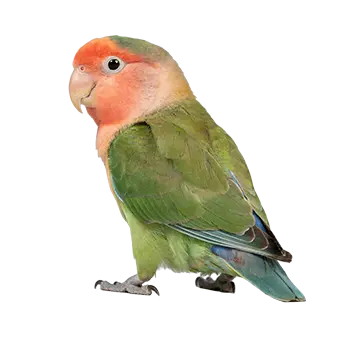

Peach-faced Lovebirds are deceptively active for their size. Despite measuring only about six inches in length, they are strong fliers with high energy levels and a constant need to climb, explore, and play. The minimum recommended cage size for a single lovebird is 24 inches long by 18 inches wide by 24 inches tall, but bigger is always better. For a bonded pair, aim for at least 32 inches in length to give both birds room to move without territorial friction.
Horizontal space matters more than vertical height for lovebirds. These birds spend a great deal of time climbing sideways along cage bars and flying short horizontal bursts between perches. A cage that prioritizes width and depth over excessive height will better accommodate their natural movement patterns. Flight cages — long, rectangular enclosures designed for small parrots — are an excellent option for owners who want to provide a more enriching environment.
Bar spacing is a critical safety consideration. Lovebirds require bar spacing no wider than half an inch to prevent head entrapment and escape. Wider spacing designed for larger parrots poses a genuine injury risk. The bars themselves should be oriented horizontally on at least two sides of the cage, as lovebirds are enthusiastic climbers and horizontal bars give them the grip they need to move freely around their enclosure.
Placement of the cage within your home affects the bird's wellbeing significantly. Position the cage at chest height in a room where the family spends time, as lovebirds are social birds that become stressed when isolated. Avoid placing the cage directly in front of windows where temperature fluctuations and direct sun exposure can be extreme, and keep it away from kitchens where cooking fumes and non-stick cookware off-gassing pose lethal risks.