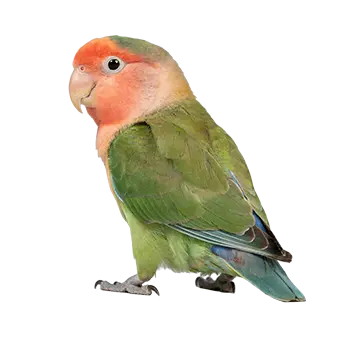

Nutritional Needs

Peach-faced Lovebirds are active, high-energy parrots that require a nutrient-dense diet to maintain their bold plumage and lively temperament. In the wild, their diet consists of seeds, grasses, fruits, and occasional blossoms, which means captive diets should aim to replicate that variety rather than relying on a single food source. A balanced intake of proteins, healthy fats, carbohydrates, vitamins, and minerals is essential for feather quality, reproductive health, and immune function.

Calcium and vitamin A are two nutrients that deserve special attention with lovebirds. Calcium deficiency can lead to egg binding in females and weakened bones in both sexes, while vitamin A supports respiratory and skin health. Dark leafy greens and orange vegetables are excellent natural sources of both. Because lovebirds are small-bodied birds with fast metabolisms, even minor nutritional gaps can escalate quickly, making dietary consistency and variety more important than it might seem for a bird of this size.

Fat content is another area to monitor carefully. Lovebirds enjoy seeds high in fat — sunflower and safflower being favorites — but an excess of these contributes to obesity and fatty liver disease, both of which are common in captive lovebirds. A well-structured diet balances the bird's natural preferences with nutritional discipline, ensuring the bird stays lean, active, and healthy throughout its potentially lengthy lifespan.

What to Look For

When shopping for lovebird food, the ingredient list matters far more than the packaging. Look for formulations that list whole grains, vegetables, or fruit as primary ingredients rather than fillers like ground corn or wheat middlings. A quality pellet or seed blend should be free of artificial colors and preservatives, which offer no nutritional benefit and may contribute to long-term health problems in small parrots.

Pellet size is an important practical consideration. Lovebirds are small parrots, so standard parrot pellets are often too large for them to handle comfortably. Look for products labeled for small parrots, parakeets, or cockatiels, as these are typically sized appropriately. Some manufacturers produce lovebird-specific formulations, which can simplify the selection process.

Freshness indicators are worth checking as well. Seeds that look dusty, smell musty, or are past their labeled expiration should be avoided. Rancid seeds lose nutritional value and may harbor mold or bacteria. Buying from retailers with high turnover or ordering directly from reputable suppliers helps ensure your bird receives food that is genuinely fresh and nutritionally intact.

Finally, consider whether the food encourages foraging behavior. Blends with varied shapes, textures, and sizes can stimulate a lovebird's natural curiosity and reduce boredom-related behaviors. A diet that engages the bird mentally as well as nutritionally is always preferable to one that simply fills the crop.

Recommended Seed & Pellet Blends

The modern consensus among avian veterinarians is that pellets should form the foundation of a captive lovebird's diet, ideally making up around 60 to 70 percent of daily intake. Pellets are formulated to deliver balanced nutrition in every bite, eliminating the selective eating problem common with seed-only diets where birds pick out their favorites and leave the rest. High-quality pellets designed for small parrots typically include a balanced amino acid profile, essential fatty acids, and added vitamins and minerals.

Seeds still have a role in the diet but should be offered as a supplement rather than a staple. A small-parrot seed mix that includes millet, canary grass seed, and a modest amount of safflower or sunflower provides variety and enrichment without overloading the bird on fat. Sprouted seeds are an excellent middle ground — they retain the appeal of seeds while offering significantly more nutritional value, including higher protein and lower fat content than their dry counterparts.

Transitioning a seed-addicted lovebird to pellets requires patience and a gradual approach. Mixing pellets into the existing seed blend and slowly increasing the pellet ratio over several weeks is the most reliable method. Some owners find that offering pellets in the morning when the bird is hungriest helps accelerate acceptance. Abrupt dietary changes should be avoided, as lovebirds can be stubborn eaters and may refuse unfamiliar food to the point of weight loss.

Organic and naturally preserved options are available for owners who prefer to minimize chemical exposure. These products tend to have shorter shelf lives, so buying in smaller quantities and storing them in airtight containers is advisable. Regardless of brand philosophy, the nutritional profile printed on the packaging should always be the primary decision driver.

Fresh Foods & Supplements

Fresh fruits and vegetables should be offered daily as part of a well-rounded lovebird diet. Dark leafy greens such as kale, spinach, and Swiss chard are rich in calcium and vitamin A. Orange and yellow vegetables like sweet potato, carrots, and butternut squash provide beta-carotene, which lovebirds convert to vitamin A. Broccoli, peas, and green beans add fiber and variety. Chop these into small, manageable pieces or clip leafy greens to the cage bars to encourage natural foraging.

Fruits should be offered in moderation due to their sugar content. Berries, apple slices, mango, and papaya are all well-received by most lovebirds and provide antioxidants and hydration. Avoid offering fruit as more than about 10 percent of the overall diet to prevent excess sugar intake, which can contribute to yeast overgrowth and digestive issues in small parrots.

Supplements are generally unnecessary if the bird is eating a pellet-based diet with regular fresh food offerings. However, a cuttlebone or mineral block should always be available in the cage for calcium supplementation and beak conditioning. During breeding or molting periods, a small amount of egg food or a calcium-enriched supplement can help meet the bird's temporarily elevated nutritional demands.

Probiotics formulated for birds can support digestive health, particularly after antibiotic treatment or during periods of stress such as a move or the introduction of a new cage mate. These are typically available as water-soluble powders and should be used according to product directions. Always consult an avian veterinarian before adding supplements to your lovebird's regimen, as over-supplementation — particularly of fat-soluble vitamins — can be harmful.

Treats & Foraging Foods

Treats serve a dual purpose for lovebirds: they reinforce bonding and training while providing mental stimulation. Millet sprays are the classic lovebird treat and can be used effectively as a training reward or hung in the cage to encourage active foraging. Because millet is relatively low in fat compared to sunflower seeds, it is a safer option for regular treat use, though it should still be offered in controlled amounts.

Foraging mixes that include dried herbs, flower petals, and small dried fruit pieces appeal to a lovebird's natural curiosity. Scattering these on a foraging tray or hiding them inside shredded paper encourages the bird to work for its food, which is far more enriching than eating from a static dish. Foraging behavior reduces stress and feather-destructive habits, making it a valuable part of the feeding routine.

Homemade treats like small portions of cooked whole-grain pasta, brown rice, or hard-boiled egg are nutritious and economical alternatives to commercial treat products. These should be offered in small quantities and removed from the cage after a few hours to prevent spoilage. Avoid any treats that contain added salt, sugar, or artificial flavoring, as these are unnecessary and potentially harmful for birds.

Seed sticks and honey-coated treat bars are widely available but should be used sparingly. Many of these products are high in sugar and fat, and the adhesives used to bind them can contain ingredients of questionable nutritional value. If you choose to offer them, treat them as an occasional indulgence rather than a dietary staple.

Foods to Avoid

Several common human foods are toxic or harmful to lovebirds and should never be offered under any circumstances. Avocado is the most well-known danger — it contains persin, a compound that causes cardiac distress and can be fatal to birds even in small amounts. Chocolate and caffeine are similarly toxic, affecting the bird's cardiovascular and nervous systems. Onions and garlic can cause hemolytic anemia in birds and should be strictly excluded.

Alcohol, even in trace amounts from fermented fruit, is extremely dangerous for small-bodied birds. The rapid metabolism of a lovebird means that even minimal exposure can cause severe organ damage. Similarly, fruit seeds and pits from apples, cherries, peaches, and apricots contain trace amounts of cyanide compounds and should always be removed before offering the fruit flesh.

High-salt and high-sugar processed foods pose long-term health risks even if they do not cause immediate toxicity. Chips, crackers, candy, and processed bread products should not be shared with your bird. While a lovebird may eagerly accept these foods, the sodium and refined carbohydrate content can contribute to kidney strain, obesity, and other metabolic problems over time.

Non-stick cookware fumes, while not a food item, deserve mention in any discussion of lovebird dietary safety. Overheated PTFE-coated pans release fumes that are rapidly lethal to birds. Cooking near your lovebird's living space with non-stick surfaces is a serious and frequently underestimated hazard. Use stainless steel, cast iron, or ceramic cookware in any kitchen shared with birds.

Feeding Schedule & Portions

Lovebirds do best with a consistent feeding schedule that aligns with their natural rhythms. Offer the main pellet and seed portion first thing in the morning, as birds are hungriest after their overnight fast. A second, smaller offering in the late afternoon ensures the bird has adequate fuel for the evening. Fresh foods can be provided at either feeding or as a midday supplement, but should be removed within a few hours to prevent bacterial growth.

Portion size for a single Peach-faced Lovebird is approximately one and a half to two tablespoons of pellet and seed mix per day, supplemented by a small amount of fresh produce. This is a general guideline — actual needs vary depending on the bird's age, activity level, breeding status, and ambient temperature. Monitoring body weight weekly with a gram scale is the most reliable way to ensure your bird is maintaining a healthy condition.

Water should be available at all times and changed at least twice daily. Lovebirds frequently dunk food in their water dishes, contaminating the supply quickly. A water bottle with a sipper tube can help keep water cleaner between changes, though some birds prefer open dishes and may need to be acclimated to bottles gradually. Regardless of the delivery method, freshness is non-negotiable.

Avoid leaving large quantities of food in the cage throughout the day. Overabundance encourages selective eating and reduces the bird's motivation to try new foods. A measured approach to feeding supports both nutritional balance and behavioral health, as a mildly food-motivated bird is easier to train and more engaged with its environment.

Always consult a qualified professional before making any health-related decisions. This content is provided for informational reference only and should not replace professional guidance specific to your animal.