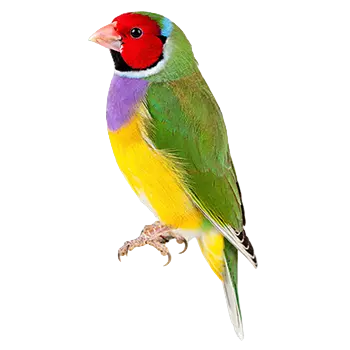

Gouldian Finches are active, horizontal flyers that need enclosures emphasizing width and length over height. Unlike hookbills that climb cage walls and spend time on vertical surfaces, Gouldians move through space by flying from perch to perch in level or slightly ascending trajectories. An enclosure that is tall but narrow forces these birds into an unnaturally cramped flight pattern and deprives them of the exercise essential to cardiovascular health and psychological wellbeing. Every housing decision for this species should prioritize horizontal flight distance above all other dimensions.
Temperature stability is the second defining factor in Gouldian housing. Originating from the tropical savannas of northern Australia, Gouldians are adapted to warm conditions and tolerate cold poorly compared to hardier finch species like zebra finches or society finches. Indoor temperatures below approximately sixty-five degrees Fahrenheit cause stress, reduce immune function, and can trigger respiratory infections in susceptible birds. Housing placement must account for drafts, proximity to exterior walls, and seasonal temperature fluctuations, particularly in regions with cold winters.
Gouldians are social birds that thrive in pairs or small flocks, and housing should accommodate at least two birds. A single Gouldian housed alone will often become lethargic and withdrawn, even in an otherwise excellent environment. However, social housing also means the enclosure must be large enough that each bird can establish a comfortable personal space and retreat from flock mates when desired. Overcrowding in undersized cages is a leading cause of stress, feather damage, and aggression even in this generally peaceful species.
Light exposure plays a significant role in the Gouldian life cycle, influencing molting, breeding readiness, and overall metabolic function. The enclosure setup should allow for a consistent photoperiod that can be adjusted seasonally, either through natural light from a nearby window supplemented by full-spectrum artificial lighting or through a fully controlled artificial lighting system. Housing decisions and lighting decisions are effectively inseparable for this species.