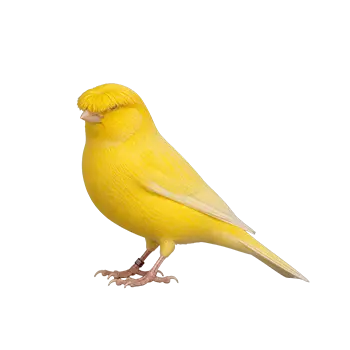

Enrichment Needs

Gloster Canaries are curious, active birds that benefit from environmental enrichment even though they interact with toys differently than parrots do. Unlike hookbills that manipulate objects with their feet and beaks as a primary activity, canaries engage with their environment primarily through flight, visual exploration, auditory stimulation, and food-related behaviors. This distinction is important because it shapes the types of enrichment that are genuinely useful for a Gloster Canary versus those designed for parrots and inappropriately marketed to all bird owners.

Mental stimulation for canaries centers on novelty, spatial variety, and foraging challenges rather than puzzle-solving complexity. A Gloster Canary notices and responds to changes in its environment, investigating new objects, perching on unfamiliar surfaces, and adjusting its flight patterns around rearranged cage furniture. This sensitivity to environmental change is itself an enrichment mechanism, meaning that even modest modifications to the cage layout provide cognitive engagement that helps prevent the lethargy and repetitive behaviors associated with a static, unchanging environment.

Physical enrichment supports the bird's natural athleticism. Gloster Canaries are capable of rapid, agile flight and will use every inch of available space if the cage interior is arranged to encourage movement. Swings, flexible perches, and strategically placed obstacles create a dynamic flight environment that exercises muscles, sharpens coordination, and prevents the boredom-driven inactivity that contributes to obesity in captive canaries. The enrichment goal is a cage that invites movement and exploration rather than one where the bird sits on a single perch for most of the day.

Social enrichment is also a factor, particularly for canaries housed alone. While Gloster Canaries do not require the constant social interaction that parrots demand, they are aware of and responsive to the activity around them. Positioning the cage in a room where household activity provides a changing visual and auditory backdrop serves as a form of passive enrichment. For males, auditory stimulation through exposure to music, natural outdoor sounds, or recordings of other canaries singing can encourage vocal practice and song development.

Swings and Motion Toys

Swings are among the most universally enjoyed toys for Gloster Canaries and one of the few toy categories that reliably engages canaries as actively as they engage parrots. A properly sized swing offers both a perching surface and gentle motion that the bird controls with its own movements, providing vestibular stimulation, balance training, and entertainment simultaneously. Most Gloster Canaries will adopt a favorite swing within days of its introduction and return to it repeatedly throughout the day.

When selecting a swing, size and material are the primary considerations. The perch bar of the swing should match the recommended perch diameter for Gloster Canaries, approximately three-eighths to five-eighths of an inch, and should be made from natural wood or a textured material that provides secure footing. Metal or smooth plastic swing bars can be slippery and discourage use. The swing should be small enough to move easily with the bird's weight, since oversized swings designed for larger species may not respond to the gentle movements of a four-inch bird and will simply hang motionless.

Spring-mounted perches and bouncing toys provide a different type of motion enrichment. These accessories attach to the cage bars and flex under the bird's weight, creating a subtly unstable surface that engages balance and core muscles. Gloster Canaries often appear to enjoy the bounce effect, voluntarily shifting their weight to increase the movement. These products should be checked regularly for spring fatigue, loose connections, or sharp edges that develop with wear, as a broken spring-mounted perch can trap or injure a small bird.

Rotating or spinning toys designed for finches and canaries offer another form of motion-based enrichment. These typically consist of a small platform or perch that rotates around a central axis, sometimes with attached seed cups that the bird accesses by riding the moving platform. While not all canaries are interested in spinning toys, those that engage with them receive excellent physical stimulation. As with all motion toys, ensure that the mechanism moves freely without catching or jamming, which could trap the bird's feet or feathers.

Foraging Toys and Food Puzzles

Foraging enrichment taps into the Gloster Canary's natural instinct to search for and extract food from its environment. In the wild, canaries spend a significant portion of their waking hours foraging through grasses, seed heads, and ground vegetation for food. In captivity, an open seed dish eliminates this behavioral need entirely, leaving the bird with excess time and no outlet for foraging drive. Introducing foraging toys restores some of that natural behavioral complexity and has been shown to reduce stress-related behaviors in captive birds.

Simple foraging setups are the most appropriate starting point for canaries, which lack the dexterity and problem-solving instincts that make complex puzzle feeders suitable for parrots. Wrapping small bunches of spray millet or seed-bearing grass heads in unbleached paper or tucking them between cage bars creates a basic foraging challenge that most Gloster Canaries will engage with immediately. Weaving leafy greens through the cage bars at various heights encourages the bird to move around the cage to access food, combining physical exercise with foraging behavior.

Commercial foraging toys designed for small birds include seed cylinders, treat balls with adjustable openings, and hanging baskets that hold fresh food or seed sprays. When selecting these products, ensure that openings and moving parts are appropriately scaled for a bird the size of a Gloster Canary. Products designed for cockatiels or parakeets may have openings too large to create a meaningful foraging challenge, or mechanisms too stiff for a canary to operate. Seek out products explicitly marketed for finches and canaries, or test the product yourself to confirm that a small bird can interact with it effectively.

Natural foraging materials provide enrichment that doubles as nutritional supplementation. Seeding grasses harvested from pesticide-free areas can be placed in the cage in bundles, allowing the bird to extract seeds from the seed heads as it would in the wild. Dried herb bundles made from bird-safe herbs such as chamomile, oregano, or calendula offer aromatic stimulation along with foraging activity. These natural materials are inexpensive, easily replaced, and provide the dual benefit of behavioral engagement and dietary variety that commercial products sometimes struggle to match.

Mirrors, Bells, and Visual Stimulation

Mirrors occupy a complicated position in canary enrichment. For solitary male Gloster Canaries, a small mirror can stimulate singing behavior, as the bird perceives its reflection as a rival male and responds with territorial song. This effect can be beneficial for owners who value their canary's vocal performance, and many breeders use mirrors strategically during the song training period. However, prolonged mirror exposure can also cause stress if the bird becomes frustrated by the unresponsive rival, or can discourage the bird from engaging with other environmental enrichment in favor of fixating on its reflection.

The general recommendation is to use mirrors as a rotational enrichment item rather than a permanent cage fixture. Introducing a mirror for a few days, then removing it and replacing it with a different toy, provides the stimulatory benefit without the risks of chronic fixation. For hens, mirrors are generally less useful and may trigger hormonal behavior, including unwanted egg laying, if the hen perceives the reflection as a potential mate. Owners of female Gloster Canaries should monitor the bird's behavior carefully if a mirror is introduced and remove it if signs of hormonal stimulation appear.

Small bells designed for finches and canaries provide auditory enrichment that appeals to this vocally oriented species. Canaries are naturally attracted to musical sounds and will often sing in response to bell tones, creating an interactive auditory feedback loop that enriches the bird's vocal repertoire. Bell toys should be sized so that the clapper cannot trap a canary's toe or beak, and the bell itself should be securely attached to prevent the bird from dislodging it and potentially ingesting small components. Jingle bells with open seams should be avoided, as a small canary toe can slip into the seam opening.

Visual enrichment extends beyond objects inside the cage to include the bird's view of the outside world. A cage positioned near a window with bird feeder activity, or in a room with changing natural light patterns, provides constantly shifting visual stimulation that canaries find engaging. Some owners place small, brightly colored objects or slow-moving visual displays near the cage to provide additional visual interest. Care should be taken to ensure that window views do not include predators such as outdoor cats or hawks, which can cause severe stress in a bird that cannot escape the perceived threat.

Bathing Enrichment

Bathing is one of the most enthusiastic and visually delightful activities a Gloster Canary engages in, and providing appropriate bathing opportunities serves as both hygiene maintenance and high-value enrichment. Most Gloster Canaries will bathe vigorously when given the chance, splashing water over their plumage, fluttering their wings, and shaking energetically afterward. The bath is often followed by an extended preening session that further contributes to feather health by distributing natural oils from the preen gland across the plumage.

Bath dishes designed for canaries should be shallow, stable, and wide enough for the bird to enter comfortably without tipping the container. Water depth should be no more than one inch for a Gloster Canary, as these small birds can become waterlogged and struggle in deeper water. Clip-on bath houses that attach to the cage door opening are a popular option because they contain splashing within the enclosed bath and keep the cage interior relatively dry. These units should be cleaned after each use, as bath water quickly becomes contaminated with feather dust, droppings, and food debris.

Bathing frequency varies by individual preference, but most healthy Gloster Canaries will bathe daily if given the opportunity. Offering the bath during the morning hours allows the bird's plumage to dry completely before the cooler nighttime temperatures, reducing the risk of chilling. During molting season, warm baths can help soften the keratin sheaths on emerging pin feathers, making them more comfortable for the bird and easier to preen off. Some keepers add a few drops of aloe vera juice or avian bathing solutions to the water, though plain room-temperature water is entirely sufficient for routine bathing.

Mist bathing provides an alternative or supplementary form of bathing enrichment. Using a clean spray bottle set to a fine mist, owners can gently spray the bird from above, simulating rainfall. Many canaries respond positively to mist bathing by spreading their wings and fluffing their feathers to maximize exposure. This method is particularly useful for birds that are reluctant to enter a bath dish, or during dry winter months when ambient humidity is low and the bird's plumage and skin benefit from additional moisture. The spray bottle should be dedicated exclusively to the bird and filled with clean, fresh water for each use.

Safety Considerations

Toy safety for Gloster Canaries requires attention to hazards that may not be immediately obvious, particularly since many bird toys are designed for larger species and can pose risks when used by a bird weighing less than an ounce. The most common toy-related injuries in small cage birds involve entanglement, ingestion of small parts, and trapping of toes, beaks, or feathers in gaps and mechanisms that are the wrong scale for the bird. Evaluating every toy before placement in the cage is a non-negotiable step in responsible canary keeping.

Thread, fiber, and fabric materials present entanglement risks that are disproportionately dangerous for small birds. A Gloster Canary's thin toes and delicate leg structure can become wrapped in loose threads from fraying rope toys, fabric strips, or string hangers. Once entangled, the bird's struggle typically tightens the binding, and circulation loss to the affected toe or foot can cause tissue death within hours. Any toy that incorporates fiber, rope, or fabric should be inspected regularly for fraying, and products showing loose threads should be removed immediately rather than trimmed, as cut fibers continue to unravel.

Zinc and lead are the primary metal toxicity concerns in bird toys. Chain links, quick-link connectors, key rings, and small bells of unknown manufacture may contain zinc-plated or lead-containing metals. Stainless steel hardware is the safest option for any metal components that will be inside the cage. If the metal composition of a toy component is unknown, it should not be placed in the cage. Testing kits for lead are available from hardware stores and can be used to screen questionable items, though zinc testing is more difficult for consumers to perform.

Small parts that can be detached and ingested are a choking and impaction hazard. Beads, plastic eyes, small bells within bells, and decorative elements glued rather than mechanically fastened to toys can all come loose under persistent pecking. While canaries are less destructive with toys than parrots, they do peck and manipulate objects, and a Gloster Canary's small esophagus and crop are easily obstructed by items that would pass harmlessly through a larger bird. Choosing toys with minimal small components and inspecting toys weekly for loose parts reduces this risk significantly.

Rotation and Placement

Toy rotation is one of the most effective and least expensive enrichment strategies available to Gloster Canary owners. The principle is straightforward: rather than filling the cage with every toy simultaneously, maintain a collection of toys and cycle a small number in and out of the cage on a regular schedule. This approach exploits the bird's natural response to novelty, making a familiar toy feel new again after a period of absence. Most experienced keepers rotate toys every three to five days, though individual birds vary in how quickly they habituate to a given item.

The number of toys in the cage at any given time should be limited to avoid cluttering the flight space. A Gloster Canary's cage should prioritize open flight paths above all other considerations, and even the most engaging toy becomes counterproductive if it blocks the bird's ability to fly freely from one end of the cage to the other. Two to three toys plus a swing is a reasonable starting point for a standard flight cage, with the specific number adjusted based on cage size and the bird's individual engagement patterns.

Placement within the cage matters as much as selection. Toys should be positioned at the cage periphery or attached to the sides and ceiling rather than placed in the center flight path. Hanging toys and swings work well near the cage ends, where they provide entertainment near the perching areas without obstructing the central flying zone. Foraging toys are most effective when placed at varying heights, encouraging vertical movement in addition to horizontal flight. Moving toy positions during each rotation adds another layer of novelty, as the bird must investigate the familiar toy in an unfamiliar location.

Observing the bird's response to individual toys provides valuable guidance for future enrichment choices. A Gloster Canary that consistently ignores a particular toy type, whether it is a bell, a foraging device, or a particular texture, is communicating a preference that should be respected. Conversely, a toy that the bird returns to repeatedly and engages with actively represents a successful enrichment choice that can inform similar purchases. Building a toy collection based on observed preferences rather than marketing claims results in a more effective enrichment program and less wasted expenditure on products the bird will never use.

Always consult a qualified professional before making any health-related decisions. This content is provided for informational reference only and should not replace professional guidance specific to your animal.