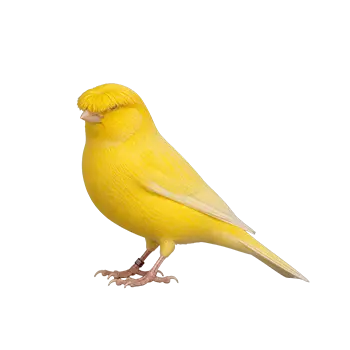

Gloster Canaries are small, high-metabolism birds whose compact frames demand a nutrient-dense diet delivered in modest portions. Their daily caloric expenditure is surprisingly high relative to their body weight, driven by constant activity and the metabolic cost of maintaining body temperature. A diet that falls short in any major nutrient category shows itself quickly in a Gloster, often within weeks, through dull plumage, reduced singing, lethargy, or breeding failure. Getting the dietary foundation right is one of the most impactful things an owner can do for the long-term health of this breed.
Protein requirements for Gloster Canaries sit in a moderate range compared to larger hookbills but remain critical during molting and breeding periods. During the annual molt, protein demand increases substantially as the bird replaces its entire plumage. A diet that is adequate for maintenance may become protein-deficient during this period, resulting in pin feathers that fail to develop properly, stress bars across new feathers, or a prolonged molt that leaves the bird visibly ragged. Egg food and protein-boosted soft foods become essential dietary components during these high-demand windows.
Fat is a necessary part of the Gloster Canary diet, but the margin between adequate and excessive is narrow in a bird this small. Seeds like niger, flax, and hemp provide essential fatty acids that support feather luster and skin health, but unrestricted access to oily seeds leads rapidly to hepatic lipidosis, a fatty liver condition that is one of the leading causes of premature death in captive canaries. The key is controlled portions of fat-rich seeds within the context of a broader, balanced diet rather than a seed cup that the bird can gorge on throughout the day.
Calcium and iodine deserve particular attention in canary nutrition. Calcium supports skeletal integrity and is essential for hens during egg production, while iodine is critical for proper thyroid function. Iodine deficiency is a well-documented problem in canaries fed primarily on seed, leading to thyroid enlargement that can compress the trachea and cause labored breathing. Mineral supplements, iodine blocks, and fresh foods that naturally contain these micronutrients should all be part of the dietary plan.