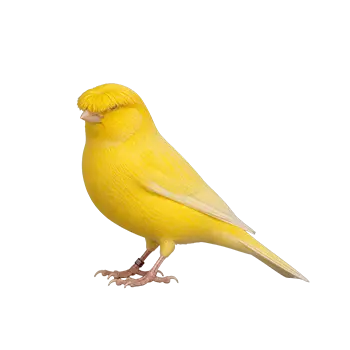

Technology has expanded the tools available to Gloster Canary owners well beyond the traditional accessories of cage, seed, and cuttlebone. Modern monitoring devices, automated systems, and digital measurement tools allow keepers to track environmental conditions, observe behavior remotely, and detect health changes earlier than was possible through casual daily observation alone. For a species as small and metabolically fragile as the Gloster Canary, where illness progresses rapidly and subtle changes in behavior can signal the onset of disease hours or days before overt symptoms appear, the ability to monitor closely and continuously has genuine welfare value.
The technology landscape for avian care ranges from simple digital instruments to networked smart devices that report data to a phone or computer. Not every Gloster Canary owner needs a full suite of connected gadgets, and the decision to adopt any particular technology should be guided by the specific challenges of the keeper's situation rather than novelty. A single canary in a stable home environment has different monitoring needs than a breeding room with multiple cages, and the technology investment should reflect that difference.
Practical considerations include power safety, electromagnetic interference, and the physical presence of devices near the cage. Electrical cords near a canary cage should be secured or enclosed to prevent contact, even though canaries are far less likely to chew wiring than parrots. Devices that emit high-pitched electronic sounds, even at frequencies inaudible to humans, can be detected by birds and may cause stress if positioned too close to the enclosure. Wireless devices that eliminate cord hazards and allow flexible placement are generally preferable to hardwired alternatives in a bird room.
The return on technology investment is most significant for owners who are away from home for extended periods, who maintain breeding programs where multiple birds must be monitored simultaneously, or who care for elderly or health-compromised canaries that require closer observation. For these keepers, the right devices provide peace of mind, early warning capability, and data records that can be shared with an avian veterinarian to support diagnostic decision-making.