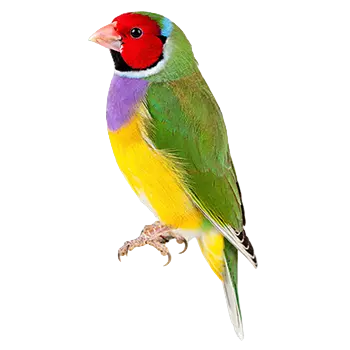

Temperature and humidity sensors are arguably the most valuable tech investment for any Gouldian Finch keeper. These tropical birds have a narrow comfort zone — roughly 70 to 80 degrees Fahrenheit and 40 to 60 percent relative humidity — and conditions outside this range can trigger respiratory illness, feather problems, and breeding failure. A digital thermometer-hygrometer combo unit placed near the cage gives you real-time readings at a glance, making it easy to catch environmental drift before it affects your birds.
Wireless sensor systems take environmental monitoring a step further by logging data continuously and sending alerts to your phone when conditions fall outside preset thresholds. This capability is particularly valuable during seasonal transitions when indoor temperatures and humidity can shift significantly between day and night, or when heating and cooling systems cycle on and off. Reviewing logged data over days or weeks can reveal patterns — a room that drops to 55 degrees at 3 AM, for example — that spot-checking would never catch.
Air quality monitors that measure particulate matter, volatile organic compounds, and carbon dioxide levels are gaining traction among serious avian keepers. Birds have highly efficient respiratory systems that make them more sensitive to airborne irritants than mammals. A sensor that flags elevated VOCs from cleaning products, new furniture off-gassing, or kitchen fumes provides an early warning system that helps you protect your birds from invisible threats.
For keepers with outdoor aviaries or bird rooms in detached buildings, weather station integration adds another layer of awareness. A connected weather station tracks outdoor temperature, humidity, wind speed, and barometric pressure, letting you anticipate conditions that may affect the bird space before they arrive. A sudden drop in barometric pressure often precedes storms and temperature swings, giving you time to adjust heating, close ventilation openings, or bring birds indoors if necessary.