
Nutritional Needs

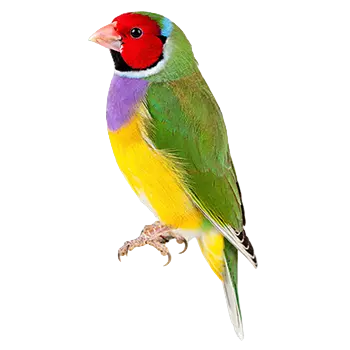
Gouldian Finches are granivores by nature, meaning their diet revolves primarily around seeds and grains. In the wild, they feed on a variety of grass seeds during different stages of ripeness, which provides a balance of carbohydrates, fats, and proteins. In captivity, replicating this nutritional diversity is essential to maintaining their famously vivid plumage and overall vitality. A diet that lacks variety or leans too heavily on a single seed type will eventually lead to deficiencies that manifest as dull feathers, lethargy, and weakened immunity.

Protein requirements increase during breeding season and the annual molt, when feather production places significant metabolic demands on the bird. During these periods, Gouldians benefit from egg food, sprouted seeds, and small amounts of live food such as mealworms or ant eggs. Fat intake should remain moderate year-round, as these finches are prone to fatty liver disease when overfed oily seeds like sunflower or hemp.

Calcium and iodine are two minerals that deserve special attention. Calcium supports egg production in hens and skeletal health in all birds, while iodine is critical for proper thyroid function. A cuttlebone or mineral block should always be available in the cage, and iodine supplements can be added to drinking water if your avian veterinarian recommends it.

Vitamins A, D, and E play supporting roles in immune function, calcium metabolism, and reproductive health respectively. Birds housed indoors without access to natural sunlight are especially vulnerable to vitamin D deficiency, which impairs calcium absorption regardless of how much mineral supplementation you provide. A full-spectrum avian lamp or a quality vitamin supplement can bridge this gap.

What to Look For

When shopping for finch seed mixes, the ingredient list matters far more than the packaging. A quality Gouldian-appropriate mix should feature a variety of small grass seeds such as white millet, canary seed, Japanese millet, and panicum. Avoid mixes that are dominated by a single filler grain or that contain large seeds intended for parrots and cockatiels. Gouldians have small beaks and prefer smaller, hulled seeds they can crack easily.

Freshness is a critical but often overlooked factor. Seeds are living organisms that lose nutritional value over time and can develop mold or harbor insects if stored improperly. Look for mixes that have a clean, slightly nutty smell and no visible dust or debris at the bottom of the bag. Buying from retailers with high turnover helps ensure you are getting recently packaged stock rather than product that has been sitting on a shelf for months.

Sprouted seeds are an excellent addition to any Gouldian diet because the germination process converts stored starches into more bioavailable nutrients and increases protein content. If you plan to sprout at home, choose seeds specifically labeled as sprouting-grade, as these have not been treated with fungicides or irradiated in ways that prevent germination. Sprouting kits designed for avian use typically include a mix optimized for small finches.

Pellet diets formulated for finches represent another option worth considering. Pellets are nutritionally complete, eliminating the selective feeding problem where birds pick out their favorite seeds and leave the rest. However, Gouldians can be stubborn about accepting pellets, so a gradual transition period — mixing pellets into the seed blend and slowly increasing the ratio — is usually necessary.

Recommended Seed Mixes

A well-balanced seed mix for Gouldian Finches should contain at least five to seven different seed varieties. The base should consist of canary seed and several types of millet, supplemented with smaller quantities of niger seed, flax, and perilla. Some premium mixes also include dried herbs, bee pollen, or dehydrated vegetables, which add micronutrient diversity without significantly altering the caloric profile of the blend.

Fortified seed mixes — those coated with a thin layer of vitamins and minerals — offer an advantage for keepers who find it difficult to provide separate supplements consistently. The coating helps ensure that every seed the bird consumes delivers a baseline level of essential nutrients. However, many birds hull their seeds before eating them, which can strip away some of the fortification. For this reason, fortified mixes work best as part of a broader nutritional strategy rather than as a sole food source.

Australian grass seed blends are particularly well-suited to Gouldians, as they closely mimic the seed types these birds encounter in their native habitat across northern Australia. These specialty mixes tend to feature panic grass, Mitchell grass, and spinifex seeds that are rarely found in generic finch blends. They cost more than standard mixes, but many experienced breeders consider them worthwhile for the improved feather quality and breeding success they observe.

Regardless of which mix you choose, offer seeds in a clean, shallow dish rather than a deep hopper. Gouldians tend to crack seeds and drop the husks back into the dish, which can create a layer of empty hulls that makes it look like food is still available when the actual seed supply is running low. Blowing gently across the dish each day to remove spent husks is a simple habit that prevents accidental food deprivation.

Fresh Foods & Supplements

Fresh greens and vegetables provide vitamins, moisture, and dietary enrichment that seeds alone cannot deliver. Gouldian Finches generally accept leafy greens such as romaine lettuce, dandelion leaves, chickweed, and fresh spinach in small quantities. Broccoli florets and grated carrot are also well-received by many birds. Introduce fresh foods gradually and remove uneaten portions within a few hours to prevent bacterial growth in the cage.

Egg food is a staple supplement during breeding and molting periods. Commercial egg food products are convenient and formulated to provide the extra protein and fat that Gouldians need during these energy-intensive phases. Alternatively, you can prepare homemade egg food by finely crumbling hard-boiled egg and mixing it with dry breadcrumbs or crushed dry biscuit. Either version should be offered fresh and replaced daily.

Mineral supplements round out the Gouldian diet in important ways. A cuttlebone attached to the cage bars gives birds a self-service calcium source they can scrape at will, while a separate mineral grit dish provides trace elements and aids digestion. Some keepers also add liquid vitamin-mineral supplements to the drinking water on a rotating schedule, which ensures that even picky eaters receive baseline nutrition.

Probiotics and digestive enzymes have become increasingly popular in avian nutrition, particularly for Gouldians, which are known to be sensitive to intestinal infections. Probiotic powders sprinkled over soft food or dissolved in water help maintain healthy gut flora, potentially reducing the incidence of common bacterial and fungal infections. While these products are not a substitute for veterinary care, they can be a valuable preventive measure in a well-managed aviary.

Treats & Foraging Foods

Spray millet is the quintessential finch treat, and Gouldians are no exception to its universal appeal. Hanging a sprig of spray millet in the cage encourages natural foraging behavior as birds pick individual seeds from the stalk, mimicking the way they would feed from grass heads in the wild. Because spray millet is relatively high in carbohydrates and low in other nutrients, it should be offered as a supplement rather than a dietary staple — a few inches of spray per bird every couple of days is a reasonable guideline.

Seed bells and seed sticks marketed for finches serve a similar enrichment purpose, giving birds something to work at rather than simply eating from a dish. Look for products held together with natural binders like egg white or gelatin rather than honey or sugar-based adhesives, which add unnecessary simple sugars to the diet. The best foraging treats fall apart gradually as the bird works through them, providing entertainment over several days.

Germinated seeds make an excellent treat that also happens to be highly nutritious. The process of soaking seeds overnight and allowing them to just begin sprouting transforms them into a living food source packed with enzymes and increased protein. Most Gouldians take to sprouts enthusiastically, making this one of the easiest ways to upgrade dietary quality without battling picky eating habits.

Wild grasses collected from pesticide-free areas offer another foraging opportunity that Gouldians instinctively enjoy. Placing a bundle of seeding grass heads in the cage provides both food and environmental enrichment. Always ensure that any wild-harvested plant material comes from areas free of herbicide and pesticide treatments, and avoid roadsides where exhaust contamination is a concern.

Foods to Avoid

Avocado is toxic to virtually all bird species and should never be offered to or accessible by Gouldian Finches. The compound persin, found throughout the fruit, skin, and pit, causes respiratory distress, heart failure, and death even in small amounts. This is one of the most well-documented avian food toxicities, and there is no safe quantity.

Chocolate, caffeine, and alcohol are similarly dangerous. Theobromine in chocolate and caffeine in coffee or tea can cause cardiac arrhythmias, seizures, and death in small birds. Given the tiny body mass of a Gouldian Finch, even trace amounts of these substances can be lethal. Keep all food preparation areas where these items are present well away from bird cages and play areas.

High-fat seeds such as sunflower and safflower should be used very sparingly if at all. Gouldians are particularly susceptible to hepatic lipidosis, a condition where excessive dietary fat overwhelms the liver. A seed mix that contains more than a small percentage of oily seeds by volume is not appropriate for this species, even though the birds may eagerly select these calorie-dense options when given the choice.

Salty, sugary, and heavily processed human foods have no place in a finch diet. Even foods that seem benign — a cracker, a piece of bread, a chip — can deliver levels of sodium and refined carbohydrates that a five-gram bird simply cannot process safely. Stick to whole, unprocessed plant foods and purpose-made avian products when supplementing beyond the base seed diet.

Feeding Schedule & Portions

Gouldian Finches have fast metabolisms and should have access to their primary seed mix at all times. Unlike some larger bird species that benefit from structured meal times, finches graze throughout the day and can become dangerously hypoglycemic if food is withheld for even relatively short periods. A full dish of fresh seed should be available from morning to evening, refreshed daily after removing empty hulls.

Fresh foods and supplements are best offered on a consistent daily schedule, ideally in the morning when birds are most active and hungry after the overnight fast. Placing soft foods in a separate small dish prevents them from contaminating the seed supply, and removing uneaten portions by midday limits the risk of bacterial growth, especially in warm weather or heated indoor environments.

During breeding season, feeding demands increase substantially. Hens producing eggs need additional calcium and protein, while both parents feeding chicks require a steady supply of egg food and sprouted seeds. Many breeders offer egg food twice daily during this period — once in the morning and a fresh batch in the early afternoon — to ensure that parent birds always have access to the high-protein foods they need to feed growing chicks.

Water is the most overlooked component of the feeding routine. Gouldians need clean, fresh water available at all times for both drinking and bathing. Water dishes or bottles should be rinsed and refilled at least once daily, and more frequently in warm conditions. If you use vitamin or probiotic additives in the water, prepare a fresh batch each day, as these supplements can promote bacterial growth in standing water within hours.

Always consult a qualified professional before making any health-related decisions. This content is provided for informational reference only and should not replace professional guidance specific to your animal.