
Enrichment Needs

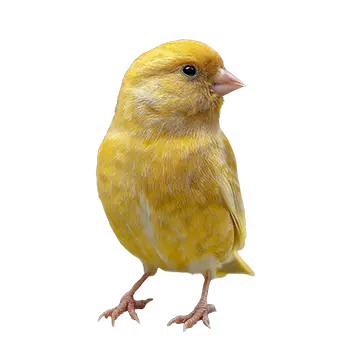
The Fife Fancy Canary is an alert, active bird with a natural curiosity about its surroundings. While canaries are not manipulative toy users in the way that parrots are, they absolutely benefit from environmental enrichment that stimulates their senses, encourages natural behaviors, and prevents the monotony that develops in a bare cage. A Fife Fancy without adequate enrichment may display signs of boredom including excessive sleeping, reduced singing, feather-plucking, and repetitive pacing along the cage bars.

Enrichment for canaries works differently than enrichment for psittacine species. Parrots interact with objects using their beaks and feet as manipulative tools, disassembling, shredding, and problem-solving their way through complex toys. Canaries engage with their environment primarily through flight, sound, visual stimulation, and natural foraging behaviors. The most effective enrichment items for a Fife Fancy tap into these instincts rather than attempting to replicate parrot-style interactive toys that the bird lacks the anatomical equipment to use.

Auditory enrichment is particularly valuable for this breed. Male Fife Fancies are enthusiastic singers, and their song can be stimulated and refined through exposure to varied sounds, including recordings of other canaries, natural soundscapes, and certain types of music. A bird that hears interesting sounds is a bird that responds by singing, exploring its cage, and displaying the animated behavior that makes canaries such engaging companions. Silence, by contrast, tends to produce a quiet and withdrawn bird.

Visual enrichment is the other major category that canary keepers should consider. Canaries are highly visual birds that notice and respond to changes in their environment, movements outside the cage, and visual variety within the cage. Positioning the cage where the bird can observe outdoor bird activity through a window, rearranging perches and accessories periodically, and introducing new colors and textures all contribute to a stimulating visual environment that supports the bird's cognitive engagement.

What to Look For

Safety is the paramount concern when selecting any toy or enrichment item for a Fife Fancy Canary. The bird's small size makes it vulnerable to hazards that would be inconsequential for a larger species. Look for toys made from natural, untreated materials such as vegetable-tanned leather, untreated wood, sisal rope, coconut shell, and stainless steel hardware. Avoid items with zinc-plated or brass components, which pose heavy metal toxicity risks if the bird chews or contacts them with wet food. Chrome, nickel, and lead-based finishes are similarly dangerous.

Size appropriateness is the second critical factor. Many bird toys are designed for parakeets and small parrots and feature beads, bells, and rings that are too large or too heavy for a Fife Fancy to interact with comfortably. A swing with thick wooden bars or a bell with a heavy clapper may go unused simply because the bird finds it physically intimidating. Seek out toys specifically marketed for canaries and finches, or evaluate each item individually to confirm that its components are proportional to the bird's four-and-a-half-inch frame.

Entanglement hazards require vigilant assessment. Frayed rope, loose threads, fabric strips, and fine chains can wrap around toes, legs, or wings and cause constriction injuries that lead to tissue death. Cotton rope is especially problematic, as canaries can pull fibers loose and become entangled in hair-thin strands that are almost invisible to the keeper. Sisal and jute are safer fiber choices because they fray into coarser strands that are less likely to wrap tightly around small body parts.

Small removable parts such as beads, clips, and split rings deserve scrutiny. Anything that can be pulled off and swallowed poses a choking or crop impaction risk. The general rule is that if a component can be removed by hand without tools, it can probably be removed by a determined bird. Hardware should be welded, riveted, or otherwise permanently attached rather than held in place by friction or simple bending. Quick links and pear-shaped connectors made from stainless steel are the safest fastening options for hanging toys within the cage.

Swings and Perch Toys

The swing is the quintessential canary toy and one of the few cage accessories that virtually every Fife Fancy will use and enjoy. A simple wooden or bamboo swing suspended from the cage top provides gentle motion that exercises the bird's balance and grip while offering a comfortable resting spot that many canaries prefer to stationary perches for sleeping. The swinging motion appears to have a calming effect, and experienced keepers often observe their birds gravitating to the swing during quiet afternoon periods.

When selecting a swing, the perch bar should match the diameter recommendations for standard perches, roughly one-quarter to five-eighths inch, to provide a comfortable grip. The suspension chains or ropes should be short enough that the swing does not collide with cage walls or other accessories during use. A swing that travels more than an inch or two in each direction risks startling the bird or causing injury. The total hanging width of the swing should be proportional to the bird's body, typically three to four inches for a Fife Fancy.

Multi-level perch toys and ladder-style accessories offer a different kind of physical engagement. While canaries do not climb in the hand-over-hand fashion of parrots, they will hop between closely spaced rungs and explore vertical arrangements if the spacing accommodates their hopping gait. A small wooden ladder angled against the cage side or a spiral perch that rises from lower to upper areas of the cage adds dimensional variety to the bird's movement patterns without consuming excessive floor or flight space.

Natural branch perches with irregular shapes and bark texture serve as both functional perching surfaces and enrichment items in their own right. A section of apple or willow branch with small side twigs still attached invites the bird to explore, perch at different angles, and strip bark for oral enrichment. These branches should be replaced regularly as the bird strips and soils them, making them a renewable and inexpensive form of ongoing cage enrichment that does not require commercial purchasing once a keeper identifies safe local tree species.

Foraging and Food-Based Enrichment

Foraging enrichment transforms the routine act of eating into an activity that engages the bird's problem-solving instincts and provides mental stimulation throughout the day. In the wild, canaries spend a significant portion of their waking hours searching for food among grasses, seed heads, and ground cover. A captive bird presented with a full dish of easily accessible seed is deprived of this natural foraging behavior, which can contribute to boredom, overeating, and reduced activity levels.

The simplest foraging enrichment for a Fife Fancy involves offering food in ways that require the bird to work slightly for access. Clipping a leaf of romaine lettuce, a sprig of millet, or a dandelion head to the cage bars with a stainless steel clip forces the bird to fly to the food source, grip the material, and tear pieces away. This minimal modification to the feeding routine adds physical exercise and cognitive engagement that a dish of pre-processed food cannot provide. Rotating the clip position within the cage daily further increases the foraging challenge.

Dedicated foraging toys designed for small birds typically involve a container with openings through which the bird must extract seeds or treats. Acrylic or stainless steel foraging wheels with adjustable openings allow the keeper to calibrate the difficulty level. For a Fife Fancy that has never used a foraging device, the openings should start large enough that seed falls out with minimal effort, then gradually be narrowed as the bird learns the mechanism. Patience during this training phase is essential, as canaries approach novel objects more cautiously than parrots do.

Scattering seed on a shallow tray of clean pebbles, dried herbs, or shredded paper creates a ground-level foraging station that encourages the bird to scratch and search. This approach mimics the ground-foraging behavior of wild canaries and engages muscles and movement patterns that perch-based living does not exercise. The foraging tray should be placed on the cage floor and cleaned or refreshed daily to prevent contamination from droppings. Dried herbs like chamomile, oregano, or calendula petals mixed into the foraging substrate add scent-based enrichment that further stimulates the bird's sensory experience.

Mirrors and Visual Toys

Mirrors are one of the most debated accessories in canary keeping. For a solo male Fife Fancy, a small mirror can provide visual companionship that stimulates singing behavior. The bird perceives its reflection as another canary and responds with vocal displays, posturing, and increased activity. Many keepers find that a mirror brings out the most animated and vocal behavior in a single bird, making it a valuable enrichment tool for birds housed alone.

However, mirrors are not universally beneficial and should be used with observation and judgment. Some birds become fixated on their reflection to the point of neglecting food, refusing to interact with the real environment, or displaying signs of frustration and stress. If a Fife Fancy spends excessive time in front of the mirror, attempts to feed or court its reflection persistently, or becomes aggressive toward the mirror, the item should be removed. A mirror is a tool for enrichment, not a substitute for genuine social interaction or a properly stimulating environment.

Small bells and reflective objects provide auditory and visual interest without the behavioral complexity of a mirror. A tiny stainless steel bell hung within the cage produces sound when the bird lands nearby or when air currents move it, creating an unpredictable auditory element that holds the bird's attention. Canaries do not typically strike bells deliberately the way parrots do, but they notice and respond to the sounds these items produce, and some birds will eventually learn to land on or near the bell to trigger its sound.

Color and movement outside the cage contribute meaningfully to visual enrichment. Positioning the cage where the bird can watch outdoor activity, passing household members, or gentle movement such as a wind chime or mobile near a window adds visual variety without requiring any in-cage accessory. Some keepers place a small aquarium within the bird's line of sight, finding that the movement of fish provides sustained visual interest. The key is providing changing visual input that the bird can observe from the safety of its cage, satisfying its natural alertness without causing alarm.

Bathing and Water Enrichment

Bathing is one of the most naturally rewarding activities available to a Fife Fancy Canary, and providing consistent bathing opportunities is a fundamental component of both physical care and behavioral enrichment. Canaries in the wild bathe frequently in shallow water, dew-soaked vegetation, and rain, using the water to clean and condition their plumage. A captive bird denied bathing access will develop dull, disheveled feathers and miss out on one of its strongest instinctive pleasures.

A shallow bathing dish is the simplest and most effective bathing provision. The dish should be wide enough for the bird to stand in comfortably and shallow enough that the water reaches no higher than the bird's belly, roughly half an inch to three-quarters of an inch deep for a Fife Fancy. Ceramic or stainless steel dishes are preferred for their weight and stability. Lightweight plastic dishes tip easily and can send water cascading across the cage floor. Purpose-made canary bath houses that attach to the cage door contain splashing within an enclosed frame and are popular with keepers who want to minimize water mess.

Bathing frequency should be driven by the bird's interest rather than the keeper's schedule. Most Fife Fancies will bathe daily if given the opportunity, and there is no reason to restrict access. Offering the bath dish in the morning when the bird is most active allows ample drying time before evening when temperatures drop. Removing the dish after an hour or two prevents the water from becoming fouled with droppings, food, or feather debris and encourages the bird to bathe promptly rather than treating the dish as an extended water source.

Mist bathing provides an alternative or supplement to dish bathing, particularly for birds that are hesitant to enter standing water. A fine mist from a clean spray bottle held above and slightly to the side of the cage mimics the sensation of light rain and often triggers enthusiastic bathing behavior. The mist should be lukewarm, never cold, and the spray pattern should be fine enough that individual droplets are barely visible. Some keepers lightly mist the leaves of a romaine lettuce or other greens placed in the cage, allowing the bird to rub against the wet foliage in a behavior that closely resembles natural dew bathing.

Rotation and Safety Practices

Rotating toys and enrichment items on a regular schedule prevents habituation and maintains the novelty factor that makes enrichment effective. A canary that sees the same three accessories in the same positions every day for months will eventually treat them as background features of the cage rather than objects of interest. Swapping one or two items every week or two, or simply rearranging the positions of existing accessories, renews the bird's curiosity and encourages exploration.

A practical rotation system involves maintaining a small reserve of toys and accessories that are cleaned, stored, and cycled into the cage on a regular basis. Four to six items rotated in groups of two or three ensures that the cage always contains something recently introduced without overwhelming the bird with constant change. Canaries are creatures of moderate habit and can be stressed by wholesale rearrangement of their environment. Gradual, partial changes are better received than a complete cage overhaul.

Regular safety inspections should accompany every toy rotation. Before returning any item to the cage, examine it for wear, damage, loose parts, frayed fibers, and sharp edges. Wood toys develop splinters over time. Sisal rope frays into strands that become entanglement hazards. Metal components can develop rough edges or lose their finish, exposing potentially toxic base metals. Any item that shows signs of significant wear should be retired permanently rather than returned to service. The cost of replacing a worn toy is negligible compared to the veterinary expense and suffering associated with an injury.

Supervision during the introduction of any new toy or accessory is a sensible practice. While canaries rarely injure themselves through aggressive toy interaction the way parrots can, a bird encountering an unfamiliar object may panic, fly erratically within the cage, and collide with bars or other accessories. Introducing new items during a calm period, placing them near the edge of the cage rather than in the center of the flight path, and observing the bird's reaction for the first hour ensures that the enrichment is accepted safely. Items that provoke sustained fear or avoidance after a reasonable acclimation period should be removed rather than forced on the bird in the hope that it will eventually adjust.

Always consult a qualified professional before making any health-related decisions. This content is provided for informational reference only and should not replace professional guidance specific to your animal.