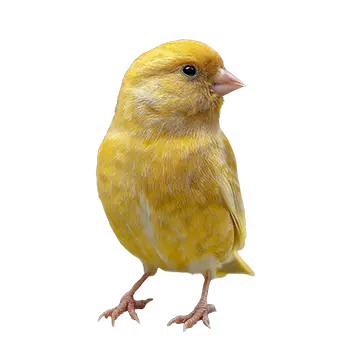

The Fife Fancy Canary may be one of the smallest canary breeds, measuring just four and a half inches from beak to tail, but its housing needs are anything but miniature. Canaries are horizontal fliers that move in rapid, short bursts across the width and length of their enclosure rather than climbing vertically like parrots. This flight pattern means that cage width and length are far more important than height. A cage that is tall but narrow forces the bird into an unnatural vertical hopping pattern that provides inadequate exercise and can contribute to muscle atrophy and obesity over time.
The minimum recommended cage size for a single Fife Fancy Canary is twenty-four inches long by sixteen inches wide by eighteen inches tall, though larger is always better. A flight cage measuring thirty inches or more in length allows the bird to engage in genuine short flights between perches, which is essential for cardiovascular health, respiratory function, and behavioral well-being. Canaries that cannot fly even short distances within their enclosure show measurably higher stress indicators and are more prone to feather-picking and repetitive behaviors.
For keepers who maintain multiple Fife Fancies, which is common given the breed's sociable nature and popularity as a show bird, a larger flight cage or dedicated bird room becomes necessary. A pair of canaries requires a minimum cage length of thirty-six inches, with additional length for each additional bird. Overcrowding is one of the fastest paths to stress, aggression, and disease transmission in canaries, and the compact size of the Fife Fancy does not reduce its territorial requirements proportionally.
Breeding setups have their own spatial demands. Double breeding cages with removable center dividers allow keepers to house the male and female separately during initial introduction, remove the divider when the pair is ready to breed, and then separate them again after the breeding season. These specialized cages are typically around thirty inches long with the divider in place, giving each bird its own fifteen-inch section, and thirty inches of continuous space when the divider is removed.