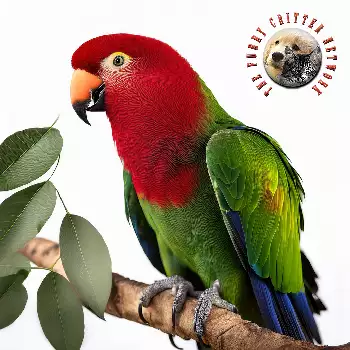

Play Style & Preferences

Eclectus Parrots are generally calmer and more methodical in their play style than many other parrot species. Where a cockatoo might attack a toy with reckless energy or a conure might fling objects across the room, an Eclectus tends to explore toys carefully, manipulating components with deliberate curiosity. This thoughtful temperament means they gravitate toward toys that reward patience and problem-solving rather than brute-force destruction.

Foraging is the single most important enrichment category for Eclectus Parrots. In the wild, these birds spend a significant portion of their day searching for food across large forested territories. In captivity, food is delivered in a dish, eliminating this natural time-filler entirely. Without foraging opportunities, Eclectus Parrots are prone to boredom-related behaviors including feather destructive behavior, excessive screaming, and stereotypic pacing. Providing multiple foraging challenges daily is one of the most effective things an owner can do for behavioral health.

Texture matters to Eclectus Parrots. They tend to enjoy toys with varied tactile surfaces — woven palm leaf, soft wood, paper, leather strips, and natural fiber rope. Many Eclectus will shred and preen a toy made from palm fronds or corn husks with sustained interest, while ignoring a hard acrylic puzzle that might captivate a different species. Observing your individual bird's preferences and rotating toys accordingly leads to better engagement than buying the most expensive option on the shelf.

Color can influence toy acceptance in Eclectus Parrots, though individual preferences vary. Some keepers report that their birds show preferences for certain colors — reds and greens being common favorites, which interestingly correspond to their own plumage colors. While this is anecdotal rather than scientifically established, offering a variety of colored toys and noting which ones get the most attention can help guide future purchases.

Foraging & Puzzle Toys

Foraging toys come in a wide range of complexity levels, and an Eclectus Parrot's toy collection should include options across the difficulty spectrum. Start with simple foraging opportunities — food wrapped in plain paper, treats tucked inside a crumpled paper cup, or seeds scattered in a shallow tray of wooden beads. These low-barrier foraging activities build confidence and establish the concept that food can be found inside and around objects.

Intermediate foraging toys include stackable cups, sliding drawer boxes, and acrylic puzzle feeders with compartments that the bird must open by pulling, twisting, or sliding components. These require the bird to perform a specific action to access the reward, which engages problem-solving skills. Eclectus Parrots are intelligent enough to master most intermediate puzzles quickly, so rotate toys frequently or increase difficulty by partially obstructing mechanisms or adding wrapping layers.

Advanced foraging systems involve multi-step puzzles where the bird must complete several actions in sequence to access food. Wall-mounted foraging boards with multiple stations, puzzle boxes with interlocking components, and hanging foraging tubes with multiple access points all challenge an experienced foraging bird. These are excellent for Eclectus Parrots that have graduated from simpler puzzles and need ongoing mental stimulation.

The key to successful foraging enrichment is consistency and variety. Offer at least two to three different foraging opportunities every day, varying the locations within the cage and the types of containers used. The goal is to make the bird work for a meaningful portion of its daily food intake rather than simply eating from a dish. Many experienced keepers aim for 50 percent or more of the daily diet to be delivered through foraging challenges rather than open bowls.

Shredding & Destruction Toys

Shredding toys serve a vital role in parrot enrichment by providing an acceptable outlet for the natural urge to chew and destroy. Eclectus Parrots are moderate chewers compared to cockatoos or macaws, but they still need regular access to materials they can shred, peel, and dismantle. The satisfaction of systematically destroying a toy is a legitimate psychological need, not a sign of bad behavior, and denying this outlet can redirect the chewing instinct toward feathers, cage bars, or household items.

Soft woods like balsa, yucca, and sola are ideal for Eclectus Parrots. These materials shred easily and provide satisfying texture without requiring excessive beak strength. Palm leaves, corn husks, seagrass mats, and cardboard are equally good options and significantly cheaper than commercial toys. Many experienced parrot owners supplement purchased toys with homemade shredders made from toilet paper rolls stuffed with paper strips, phone book pages threaded onto skewers, or woven palm leaf bundles.

Natural fiber toys — those made from cotton rope, jute, sisal, and untreated leather — provide different shredding textures and can be combined with soft wood pieces for varied enrichment. Ensure all materials are untreated, undyed, and free from chemical finishes. Vegetable-tanned leather is safe, while chrome-tanned leather may contain harmful chemicals. When in doubt about a material's safety, err on the side of caution and choose a known-safe alternative.

Expect to replace shredding toys regularly — a well-engaged Eclectus can demolish a balsa wood toy in a day or two. This is the intended outcome, not a waste of money. Budget for ongoing toy replacement as a recurring cost of parrot ownership. Buying materials in bulk and assembling your own shredding toys at home significantly reduces the per-toy cost and allows for customization based on your bird's preferences.

Foot & Manipulative Toys

Eclectus Parrots have strong, dexterous feet and enjoy toys they can hold and manipulate while perched. Foot toys — small objects sized for the bird to grasp in one foot and work on with its beak — are an underutilized category that provides excellent independent enrichment. Good foot toys include small wooden blocks, wicker balls, palm nut pieces, leather knots, and small stacking rings.

Keep a rotation of six to ten foot toys available, with a few in the cage and the rest stored away for swapping. Place some on the cage floor and others on flat perch surfaces where the bird can pick them up easily. Eclectus Parrots will often carry a foot toy to a favorite perch and work on it methodically for extended periods, making these toys excellent for keeping the bird occupied during the day when you are not home.

Beads and threading toys appeal to the Eclectus's methodical nature. Wooden beads strung on vegetable-tanned leather cord or stainless steel wire give the bird something to slide, rotate, and eventually disassemble. Ensure all beads are large enough to prevent accidental swallowing — a minimum diameter of three-quarters of an inch is a reasonable guideline for Eclectus-sized birds. Avoid small plastic components that could be ingested and cause crop or intestinal blockages.

Swings and boings serve as both perching enrichment and interactive toys. A hanging swing provides gentle motion that many Eclectus Parrots find soothing, while a spiral boing encourages bouncing and climbing. Position swings where the bird can use them without colliding with cage walls or other toys, and ensure the mounting hardware is secure enough to support the bird's weight during active swinging.

Sound & Social Enrichment

Eclectus Parrots are social birds that need mental stimulation beyond physical toys. Auditory enrichment — music, nature sounds, conversation, and even television or radio — provides background engagement that helps prevent the isolation stress that leads to behavioral problems. Many Eclectus Parrots respond positively to calm music, particularly classical, jazz, or nature soundscapes, and some will vocalize along or display visible relaxation when music is playing.

Interactive play sessions with their human flock are irreplaceable enrichment. Eclectus Parrots bond deeply with their owners and benefit from daily one-on-one interaction that goes beyond simple handling. Training sessions using positive reinforcement are among the most effective enrichment activities available — teaching tricks, target training, or recall training engages the bird's intelligence while strengthening the human-bird bond. Even ten to fifteen minutes of focused training per day provides significant mental stimulation.

Speech and vocalization training naturally engages the Eclectus Parrot's impressive vocal abilities. Males in particular are known for developing clear, contextual speech with patient, consistent exposure. Talking to the bird throughout the day, narrating activities, and repeating key phrases in consistent contexts encourages vocal development. This ongoing verbal interaction serves double duty as both enrichment and socialization.

For birds that spend significant time alone during work hours, consider auditory enrichment options that run on a timer. A radio or speaker set to turn on during the middle of the day provides a break from silence without requiring constant human presence. Some owners create playlists of varied content — music, nature sounds, and talk programs — to provide changing stimulation throughout the day. Avoid leaving loud or startling content running, as persistent stress from unexpected sounds can be counterproductive.

DIY & Budget Options

Homemade toys are not only budget-friendly — they are often preferred by Eclectus Parrots over expensive commercial alternatives. The simplest DIY foraging toy is a sheet of plain brown paper crumpled around a few seeds or a piece of dried fruit. This costs essentially nothing, takes seconds to prepare, and provides legitimate foraging enrichment that the bird must work through to access the reward.

Cardboard boxes and paper towel rolls are versatile crafting materials for parrot toys. Thread paper towel rolls onto a piece of vegetable-tanned leather cord with wooden beads between them for a hanging shredder. Cut small holes in a cardboard box, fill it with crumpled paper and treats, and hang it in the cage for a foraging box that may keep the bird busy for hours. Egg cartons with treats tucked into each cup and covered with paper provide another simple foraging puzzle.

Natural materials collected from your own yard can supplement purchased supplies, as long as you verify species safety and ensure no pesticide exposure. Branches from apple, pear, maple, elm, and willow trees make excellent perch toys and chewing material after being washed, baked at a low temperature to kill any insects or parasites, and cooled. Pine cones collected from untreated trees can be stuffed with nut butter or mashed fruit and frozen for a long-lasting enrichment project.

A toy-making station at home — stocked with untreated wood pieces, vegetable-tanned leather strips, stainless steel hardware, cotton rope, and natural fiber components — allows you to assemble custom toys quickly and inexpensively. Buy hardware and wood in bulk from craft suppliers or specialty parrot toy parts vendors. The per-toy cost drops dramatically compared to purchasing assembled commercial toys, and you can tailor each creation to your bird's demonstrated preferences.

Rotation is the most powerful budget strategy. Rather than filling the cage with toys simultaneously, keep three to four toys in the cage at a time and swap them out every few days. Toys that have been out of sight for a week feel novel again when reintroduced, effectively doubling or tripling your toy inventory without additional spending.

Always consult a qualified professional before making any health-related decisions. This content is provided for informational reference only and should not replace professional guidance specific to your animal.