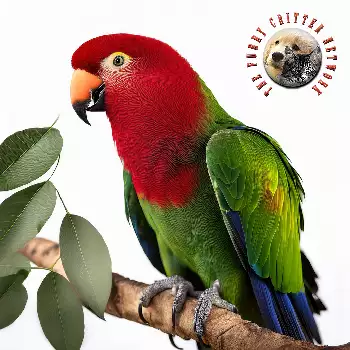

Space Requirements

Eclectus Parrots are medium-large birds that need generous living space to maintain physical and psychological health. The absolute minimum cage size for a single Eclectus is 36 inches wide by 24 inches deep by 48 inches tall, but larger is always better. A more comfortable setup — and the one most experienced keepers recommend — is at least 48 inches wide by 36 inches deep by 60 inches tall. These birds have long tails and broad wingspans, and cramped quarters lead to feather damage, stress behaviors, and reduced quality of life.

Width matters more than height for parrots, since birds fly horizontally rather than vertically. A cage that is wide enough for the bird to stretch both wings fully without touching the bars provides a good baseline, but additional width for short flights between perches is ideal. Dome-top and play-top cages are popular for Eclectus because they provide extra vertical clearance and an out-of-cage perching area on top.

Bar spacing is a critical safety factor. For Eclectus Parrots, bar spacing should be between three-quarters of an inch and one inch. Bars spaced too widely risk head entrapment, while bars too narrow offer inadequate climbing grip for a bird of this size. Horizontal bars on at least two sides of the cage are preferable, as they allow the bird to climb and exercise more naturally than vertical-only bar configurations.

Placement within the home matters as much as the cage itself. Position the cage in a room where the family spends time — Eclectus Parrots are social and do poorly when isolated. However, avoid placing the cage directly in front of a window where temperature fluctuations and outside predator sightings can cause stress. A corner placement with two walls behind the cage gives the bird a sense of security while still allowing it to observe household activity.

Cage Types & Construction

Stainless steel cages are the gold standard for Eclectus Parrots and for large parrots in general. They are non-toxic, extremely durable, resistant to rust, and easy to clean. The upfront cost is significantly higher than powder-coated options, but stainless steel cages last decades without degradation, making them a sound long-term investment for a bird that may live forty years or more.

Powder-coated wrought iron cages are the most common alternative and work well for Eclectus Parrots as long as the coating is high-quality and lead-free. Inspect powder-coated cages regularly for chips and flaking, particularly around door hinges, feeder access points, and any area the bird chews frequently. Exposed metal beneath a damaged coating can rust and potentially leach harmful substances. Recoating or replacing a cage with significant coating damage is advisable.

Avoid cages made from zinc-coated wire, brass, or galvanized metal. Zinc toxicity is a serious risk for parrots that chew on cage bars — which all parrots do — and zinc-coated hardware cloth or galvanized wire cages are among the most common sources of zinc poisoning in captive birds. Even small cage components like clips, quick-links, and feeder doors should be checked for zinc content.

Cage door design is worth evaluating carefully. Eclectus Parrots are intelligent and dexterous, and many learn to open simple slide-bolt or push-up door latches. Look for cages with secure locking mechanisms — twist locks, carabiner-compatible doors, or padlock-ready latches. Multiple feeder doors that allow food and water changes without opening the main door are a practical convenience that also reduces escape opportunities.

Perches & Interior Setup

Perch variety is essential for foot health and overall comfort. A well-set-up Eclectus cage should include perches of different diameters, textures, and materials. Natural wood branches are the best primary perches — they provide varying diameters along their length, which exercises different foot muscles and prevents the pressure sores that develop from gripping a single uniform dowel all day. Safe wood species for parrot perches include manzanita, java wood, dragonwood, and untreated fruit tree branches like apple, pear, and maple.

Rope perches made from cotton or sisal add another texture option and are particularly good as sleeping perches because of their gentle, flexible grip. However, inspect rope perches regularly for fraying — loose threads can wrap around toes and cut off circulation, a condition known as thread constriction that can lead to toe loss if not caught quickly. Replace rope perches at the first sign of significant fraying.

Avoid placing perches directly above food and water dishes, as droppings will contaminate them. Arrange perches at varying heights to encourage movement and climbing, but leave open flight paths through the cage so the bird can move between perches without navigating an obstacle course. Two to four perches are usually sufficient for a standard cage — overcrowding the interior with perches and toys reduces usable space and makes the cage feel smaller.

Concrete and mineral perches have a role as conditioning perches that help keep nails trimmed naturally. Place one near a feeding station where the bird will stand on it regularly but not sleep on it — concrete is too hard and abrasive for extended roosting. These perches should supplement the natural wood perches rather than replace them.

Outdoor Aviaries

An outdoor aviary provides Eclectus Parrots with access to natural sunlight, fresh air, and a more stimulating environment than any indoor cage can replicate. Natural unfiltered sunlight is particularly beneficial because it enables the bird to synthesize vitamin D3, which is essential for calcium metabolism and is not adequately provided by artificial lighting alone. Even a few hours per week of supervised outdoor time in an aviary makes a measurable difference in feather quality and overall vitality.

Aviary construction for Eclectus Parrots should use welded stainless steel or powder-coated steel mesh with appropriate bar spacing. The structure needs to be predator-proof — resistant to raccoons, hawks, snakes, cats, and any other local wildlife threats. Double-door entry systems prevent escape when you enter and exit the aviary. A solid roof over at least half the aviary provides shade and rain shelter, while a partially open section allows direct sun access when the bird chooses it.

Flooring options include concrete pads, pea gravel, and natural earth. Concrete is easiest to sanitize but offers no enrichment value. Natural earth or planted aviaries create a more stimulating environment and allow for foraging behavior, but they require more maintenance and make parasite monitoring more difficult. A hybrid approach — concrete under covered sections and natural substrate in open areas — offers a practical compromise.

Climate is a serious consideration. Eclectus Parrots originate from tropical regions and do not tolerate cold temperatures. In most of the continental United States, outdoor aviaries are seasonal structures or require supplemental heating during cooler months. Nighttime temperatures below 50 degrees Fahrenheit are uncomfortable, and anything below 40 degrees is dangerous. If your climate has cold winters, plan for an indoor-outdoor arrangement that allows the bird to be brought inside during cold weather.

Climate & Environmental Control

Eclectus Parrots evolved in the humid tropical forests of the Solomon Islands, New Guinea, and northeastern Australia, which means they thrive in warm, humid environments. Indoor humidity levels between 50 and 70 percent are ideal for feather and respiratory health. Most homes in temperate climates fall well below this range, particularly during winter when heating systems dry the air significantly. Supplemental humidity is almost always necessary.

Room humidifiers, particularly ultrasonic or evaporative models, can raise ambient humidity in the bird's living area. Position the humidifier near the cage but not so close that the bird is in a direct mist stream. A hygrometer placed at cage level lets you monitor actual humidity levels rather than guessing. Some owners run a warm-mist humidifier during winter months and switch to cool-mist during summer to avoid overheating the room.

Temperature should remain between 65 and 85 degrees Fahrenheit for indoor housing. Eclectus Parrots handle warmth well but are sensitive to cold drafts, sudden temperature swings, and prolonged exposure to temperatures below 60 degrees. Position the cage away from exterior doors, drafty windows, and air conditioning vents. Ceiling fans should be off when the bird is out of the cage for safety, and their drafts should not blow directly onto the cage even when the bird is inside.

Lighting is another environmental factor that affects Eclectus health and behavior. These birds need 10 to 12 hours of darkness for proper sleep cycles, so covering the cage or placing it in a room that goes dark at a consistent time each evening helps maintain healthy circadian rhythms. Full-spectrum avian lighting supplements natural sunlight exposure and provides UV-A and UV-B wavelengths that support vitamin D synthesis, color perception, and psychological well-being.

Multi-Bird Households

Housing multiple Eclectus Parrots requires careful planning around space, compatibility, and territorial behavior. Eclectus Parrots exhibit pronounced sexual dimorphism and notable behavioral differences between sexes. Females tend to be more territorial and cage-aggressive than males, particularly during hormonal periods, which can complicate cohabitation in a single cage. Even bonded pairs generally benefit from having separate cages that are placed near each other, with shared out-of-cage time for interaction.

If you keep Eclectus Parrots alongside other parrot species, separate cages are non-negotiable. Mixed-species housing in a single cage creates stress, competition, and serious injury risk. Even during supervised out-of-cage time, monitor interactions between species closely — beak size differences mean that a larger bird can inflict severe damage on a smaller one in seconds, and even birds that appear to coexist peacefully can have sudden aggressive incidents.

Cage placement in multi-bird homes should give each bird a defined territory with visual barriers available if needed. Some birds do well with cages side by side, while others become agitated when they can see a neighboring bird at all times. Observe individual behavior and adjust placement accordingly. Stackable cages or cages in separate rooms may be necessary for birds that show persistent stress or aggression toward each other.

Quarantine protocols are essential when introducing any new bird into a household with existing parrots. New arrivals should be housed in a completely separate room — not just a separate cage — for a minimum of 30 to 45 days while being monitored for signs of illness and ideally tested by an avian veterinarian for common diseases like psittacosis, PBFD, and polyomavirus. Only after a clean bill of health should the new bird be moved into proximity with established residents, and introductions should proceed gradually under close supervision.

Always consult a qualified professional before making any health-related decisions. This content is provided for informational reference only and should not replace professional guidance specific to your animal.