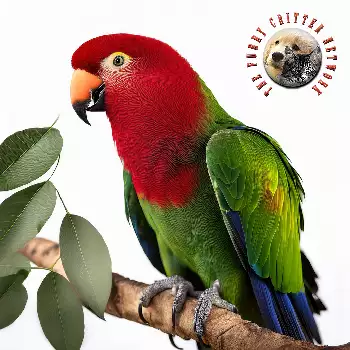

The Eclectus Parrot has one of the most specialized digestive systems among companion parrots. Their unusually long digestive tract is adapted to extract maximum nutrition from fresh fruits and vegetables, which means they process food differently than most hookbills. This distinction has direct implications for the types of commercial and whole foods that work best for them, and it makes dietary planning more critical than it is for many other parrot species.
Because of their extended digestive transit time, Eclectus Parrots are particularly sensitive to artificial preservatives, colorings, and synthetic vitamins — especially vitamin A in its synthetic retinol form. Overconsumption of fortified pellets or artificially supplemented foods can lead to vitamin toxicity, a condition called hypervitaminosis, which may manifest as toe-tapping, wing-flipping, and muscle spasms. A diet weighted heavily toward natural, whole-food sources of vitamins is strongly preferred.
The ideal Eclectus diet leans more heavily on fresh produce than most parrot diets. A rough guideline is approximately 60–70 percent fresh fruits and vegetables, with the remainder coming from a quality pellet base and occasional seeds or nuts. This ratio is substantially different from the pellet-heavy diets recommended for many other parrot species, so owners transitioning from a different bird should recalibrate their expectations.
Calcium and vitamin A from natural food sources are particularly important. Dark leafy greens, orange and red vegetables, and tropical fruits supply beta-carotene, which the bird converts to vitamin A at a safe rate. Calcium-rich vegetables like broccoli and kale help support bone density and egg production in females, who are especially prone to calcium depletion.