
Nutritional Needs

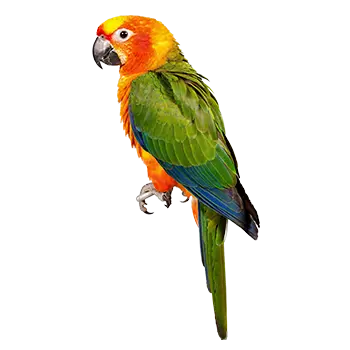
Jenday Conures are active, energetic parrots that require a well-balanced diet to maintain their striking plumage and overall vitality. In the wild, their diet consists of a varied mix of fruits, seeds, nuts, flowers, and the occasional insect. Captive Jendays benefit from a diet that mimics this diversity, with an emphasis on nutrient-dense foods that support feather health, immune function, and sustained energy throughout the day.

A diet built around high-quality pellets should form roughly sixty to seventy percent of the daily intake. Pellets are formulated to deliver consistent nutrition without the selective feeding habits that seed-only diets encourage. Jendays are notorious for picking out their favorite seeds and ignoring the rest, which leads to nutritional gaps over time. A pellet base eliminates this problem and provides balanced levels of protein, fat, vitamins, and minerals.

The remaining thirty to forty percent of the diet should consist of fresh fruits, vegetables, and occasional healthy extras. Dark leafy greens, orange and yellow vegetables, and tropical fruits align well with the Jenday's natural preferences. Calcium is a nutrient of particular importance for conures, and dietary sources like broccoli, kale, and fortified pellets help maintain strong bones and proper egg-laying cycles in females.

Fresh water must be available at all times and changed at least twice daily. Jendays are playful birds that often dip food into their water dishes, which means the water can become contaminated quickly. Using a bottle-style waterer can help keep the supply clean, though many Jendays prefer open dishes for drinking and bathing.

What to Look For

When selecting a pellet formula for a Jenday Conure, look for products designed specifically for small to medium parrots or conures. Avoid pellets that rely on artificial colors, flavors, or excessive sugar to attract birds. While colorful pellets may seem appealing, natural formulations with wholesome ingredients are a far better choice for long-term health. The ingredient list should lead with real grains, vegetables, or fruits rather than corn or soy fillers.

Fruit and vegetable mixes marketed for parrots can be convenient, but always check whether they contain added sulfur dioxide or other preservatives. Dried fruit products sometimes include these chemicals to maintain color and shelf life, and they can be harmful to birds in large quantities. Freeze-dried options tend to retain more nutritional value and are free from many of the additives found in conventionally dried mixes.

Seed mixes should be viewed as supplemental, not foundational. If you do offer seeds, choose a blend that includes a variety of small seeds appropriate for conures rather than large parrot mixes heavy on sunflower seeds and peanuts. Sunflower seeds are high in fat and can contribute to obesity and fatty liver disease when fed in excess. A good seed mix will include millet, canary seed, safflower, and small amounts of hemp or flax for healthy fats.

Always check packaging dates and storage recommendations. Bird food that has been sitting on a shelf for months can lose nutritional value and may develop mold or rancidity, especially in seed-based products. Buy in quantities your bird will consume within a few weeks and store food in airtight containers in a cool, dry place.

Recommended Dry Food

Pellet formulations designed for conures and small parrots come in several forms, including extruded pellets, cold-pressed nuggets, and crumbled formats. Extruded pellets are the most common and undergo a cooking process that binds ingredients together while making nutrients more bioavailable. Cold-pressed options use lower temperatures during manufacturing, which can preserve heat-sensitive vitamins but may have a shorter shelf life.

The size of the pellet matters for Jenday Conures. Medium-small pellets are ideal, as they are easy for the bird to grip and break apart with its beak. Pellets that are too large may frustrate a Jenday and lead to wasted food, while dust-fine crumbles can be messy and less satisfying for a bird that enjoys the tactile experience of eating. Many manufacturers offer size-specific lines, so look for those labeled for conures, cockatiels, or small parrots.

Some pellet brands offer organic or non-GMO certified formulas, which can be a good choice for owners who want to minimize their bird's exposure to pesticide residues and genetically modified ingredients. While the nutritional profiles are often similar to conventional pellets, the ingredient sourcing standards tend to be higher. These products typically cost more, but the price difference is modest given the small daily quantities a single Jenday consumes.

Transitioning a seed-addicted Jenday to pellets requires patience. Start by mixing a small amount of pellets into the existing seed mix and gradually increase the ratio over several weeks. Some owners find success by offering pellets in the morning when the bird is hungriest and saving seeds as an afternoon treat. Never withhold food entirely to force a switch, as birds have fast metabolisms and can become dangerously ill from even short periods of fasting.

Wet & Fresh Options

Fresh produce is essential for a Jenday Conure's diet and provides vitamins, minerals, hydration, and mental stimulation that pellets alone cannot deliver. Offer a chopped mix of vegetables and fruits daily, rotating selections to provide variety and encourage adventurous eating. Good vegetable choices include carrots, sweet potatoes, bell peppers, snap peas, zucchini, corn on the cob, and dark leafy greens such as Swiss chard, dandelion greens, and romaine lettuce.

Fruits should be offered in moderation due to their sugar content, but Jendays tend to love them. Papaya, mango, berries, grapes, kiwi, and apple slices are all popular choices. Remove seeds and pits from fruits like apples and cherries before serving, as some contain trace amounts of cyanide compounds that are harmful to birds. Citrus fruits are safe in small quantities but can cause digestive upset if offered too frequently.

Cooked grains and legumes are excellent additions to the fresh food rotation. Brown rice, quinoa, barley, lentils, and cooked beans provide plant-based protein and complex carbohydrates that support sustained energy. Prepare these plain without salt, butter, or seasoning. Many conure owners batch-cook grains at the start of the week and portion them out daily alongside fresh vegetables.

Sprouted seeds are a nutritional powerhouse that bridges the gap between dry seeds and fresh vegetables. The sprouting process activates enzymes, increases vitamin content, and reduces fat levels compared to dry seeds. Mung beans, lentils, sunflower seeds, and wheat berries are all easy to sprout at home. Rinse sprouts thoroughly before serving and discard any that develop an off smell, as bacterial contamination is a risk with improperly handled sprouts.

Treats & Supplements

Treats play an important role in bonding and training with a Jenday Conure, but they should be offered thoughtfully to avoid nutritional imbalances. Nutriberries and similar compressed treat balls combine seeds, grains, and pellet material into a format that encourages foraging behavior. These are a step above plain seed treats because they deliver more balanced nutrition while still feeling like an indulgence to the bird.

Nut pieces make excellent high-value training treats. Almonds, walnuts, pecans, and pine nuts are all safe for Jendays when offered in small quantities. Because nuts are calorie-dense, limit them to one or two small pieces per day. Crack or chop larger nuts into manageable fragments, as a whole walnut is too much fat for a bird of this size in a single serving. Avoid salted, roasted, or flavored nuts entirely.

Calcium supplementation is important for Jenday Conures, particularly for females or birds on a seed-heavy diet. A cuttlebone or mineral block should be available in the cage at all times, allowing the bird to self-regulate its calcium intake. Powdered calcium supplements can also be sprinkled over fresh food for birds that ignore cuttlebones. Vitamin D3 is necessary for proper calcium absorption, so ensure your bird receives adequate exposure to full-spectrum lighting or a D3 supplement as recommended by your avian veterinarian.

Probiotics and digestive enzymes formulated for birds can support gut health, especially during times of dietary transition or after antibiotic treatment. These products come in powder form and can be mixed into soft food or water. While not every bird needs ongoing supplementation, they can be a helpful tool for maintaining digestive balance. Always consult an avian veterinarian before adding supplements to your bird's regimen, as over-supplementation of certain vitamins and minerals can be just as harmful as deficiency.

Foods to Avoid

Several common human foods are toxic to Jenday Conures and must be kept strictly out of reach. Avocado is the most well-known danger and can cause cardiac distress and death even in small amounts. Chocolate and caffeine are similarly toxic, affecting the bird's cardiovascular and nervous systems. Onions and garlic contain compounds that can damage red blood cells in birds and should never be offered in any form, whether raw, cooked, or powdered.

Alcohol, even in trace amounts from fermented fruit, is extremely dangerous for birds due to their small body size and rapid metabolism. Fruit that has been sitting out long enough to begin fermenting should be discarded rather than offered to your conure. Similarly, foods containing xylitol, an artificial sweetener found in sugar-free gum, candy, and some baked goods, should be avoided entirely.

High-salt and high-fat processed foods are harmful even if they are not acutely toxic. Chips, crackers, fried foods, and processed meats can contribute to kidney damage, obesity, and fatty liver disease over time. While a Jenday may eagerly accept a potato chip or piece of cheese, these foods offer no nutritional benefit and carry real health risks. Stick to whole, unprocessed foods for treats.

Some seemingly healthy foods can also cause problems. Raw beans contain hemagglutinin, a toxin that is destroyed by thorough cooking but dangerous when raw. Rhubarb leaves contain oxalic acid, which can interfere with calcium absorption and cause kidney damage. Apple seeds, cherry pits, and apricot pits contain amygdalin, which breaks down into cyanide. Always research any new food before offering it to your bird, and when in doubt, leave it out.

Feeding Schedule

Jenday Conures do best on a consistent daily feeding schedule that includes two main meals supplemented with access to pellets throughout the day. A morning meal of fresh vegetables, fruits, and cooked grains provides hydration and variety after the overnight fast. Pellets should remain available in a separate dish for the bird to graze on between meals. An evening offering of a smaller portion of fresh food gives the bird one more chance to eat before settling down for the night.

Portion control is important for preventing obesity, which is a common health issue in captive conures. A Jenday Conure typically eats about two to three tablespoons of pellets per day, supplemented by one to two tablespoons of fresh food. Monitor your bird's weight regularly using a gram scale, as even small fluctuations can indicate health problems or dietary imbalances. A healthy adult Jenday should weigh between 120 and 140 grams, though individual variation exists.

Fresh food should be removed from the cage within two to four hours of serving to prevent bacterial growth, especially in warm environments. Fruits and cooked grains spoil quickly, and a bird that eats contaminated food can develop serious gastrointestinal illness. Pellets and clean water can remain available longer but should still be refreshed daily. Wash all food and water dishes with hot, soapy water each day to prevent biofilm buildup.

Adapt the feeding schedule to your bird's life stage and activity level. Young, growing Jendays and breeding pairs may need slightly larger portions and additional protein sources. Older or sedentary birds may require reduced quantities to prevent weight gain. Seasonal changes in appetite are normal, but a sudden loss of interest in food lasting more than a day warrants a veterinary consultation, as birds are adept at hiding illness until it becomes serious.

Always consult a qualified professional before making any health-related decisions. This content is provided for informational reference only and should not replace professional guidance specific to your animal.