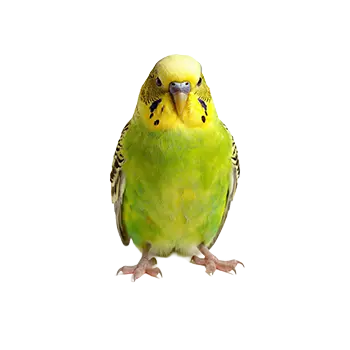

Play Style & Instincts

Budgerigars are among the most playful and curious of all companion birds, and understanding their natural play style is key to selecting toys that will actually get used rather than ignored. In the wild, budgies spend a significant portion of their waking hours foraging — searching, manipulating, tearing, and problem-solving their way to food across vast grasslands. In captivity, that drive does not disappear; it simply redirects toward whatever objects are available, which is why enrichment is so important for preventing boredom-related behaviors like excessive screaming, feather plucking, and repetitive cage-bar chewing.

Budgies interact with toys primarily through their beaks and feet. They love to shred, chew, and tear apart soft materials like paper, balsa wood, and palm leaf. They are also highly visual and auditory birds, attracted to reflective surfaces, bright colors, and objects that make noise when manipulated. A toy that crinkles, jingles, or rattles when pecked will hold a budgie's attention far longer than a static object.

Social play is another major component of budgerigar behavior. Budgies in pairs or groups will play together — chasing each other through the cage, beak-fencing, and taking turns with favored toys. Single budgies often benefit from mirrors or toys with social cues, though mirrors should be used thoughtfully, as some birds become obsessively bonded to their reflection at the expense of human interaction and normal eating habits.

Rotation is essential to keeping enrichment effective. Budgies habituate to familiar objects quickly, so a toy that was fascinating last week may be furniture this week. Maintain a collection of eight to ten toys and rotate three to four into the cage at a time, swapping them every few days. This keeps the environment novel without overwhelming the cage space.

Foraging & Puzzle Toys

Foraging toys are arguably the single most beneficial category of enrichment for captive budgerigars because they address the behavioral need that captivity most dramatically suppresses: the search for food. In the wild, a budgie may spend six to eight hours per day foraging. In a cage with a full food dish, that drops to minutes. Foraging toys bridge the gap by making the bird work for treats or portions of its regular diet, extending feeding time and engaging problem-solving skills.

The simplest foraging toys involve hiding food inside or behind barriers that the bird must manipulate to access. Paper cups folded over a few seeds, small wicker balls stuffed with millet, or acrylic tubes with adjustable openings all force the budgie to think and work rather than simply eat. Start with easy puzzles and increase difficulty gradually — a budgie that has never foraged may give up on a complex toy and go hungry rather than figure it out.

More advanced foraging systems include multi-step puzzles where the bird must lift lids, pull drawers, turn wheels, or navigate a maze to reach a food reward. These are excellent for intelligent, experienced budgies that have mastered simpler options. Look for designs made from bird-safe acrylic or untreated wood with smooth edges and no small parts that could be swallowed.

You can also create foraging opportunities without purchasing specialized toys. Wrapping seed in a small piece of unbleached paper towel, threading vegetables onto a stainless steel skewer, or hiding treats inside a crumpled paper ball all provide legitimate foraging enrichment at virtually no cost. The key principle is the same regardless of price: the bird should have to discover, manipulate, and extract rather than simply consume.

Shredding & Chew Toys

The urge to chew and shred is hardwired into budgerigar behavior, and providing appropriate outlets for this instinct protects both the bird's beak health and your household belongings during out-of-cage time. Chewing helps budgies maintain their continuously growing beaks at a proper length and shape, and the act of shredding provides a deeply satisfying form of stress relief and mental engagement.

The best shredding toys for budgies are made from soft, destructible materials like balsa wood, yucca, cork, palm leaf, coconut fiber, seagrass, and plain paper. These materials give way satisfyingly under a budgie's beak without posing choking hazards, and the bird gets the psychological reward of transforming a toy into confetti. Expect shredding toys to be destroyed — that is their purpose, and a toy reduced to nothing within a few days was a successful toy.

Wood blocks and slats strung on stainless steel or vegetable-tanned leather cord make classic chew toys that are easy to find and replace. Ensure all wood is untreated and unfinished, as paints, stains, and varnishes can contain toxic chemicals. Bird-safe wood species include balsa, pine, birch, and basswood. Avoid cedar and pressure-treated lumber, which contain compounds harmful to birds.

When evaluating any chew toy, inspect it for hazards before offering it to your budgie. Check for sharp edges, loose staples, lead-based weights, or small metal components like jingle bells with clappers that could be swallowed. Cotton string should be thick enough that it cannot be reduced to individual threads, which can wrap around toes or be ingested and cause crop impaction. When in doubt, choose toys from manufacturers that specialize in avian products rather than generic pet toy lines.

Swings, Ladders & Climbing Toys

Swings are among the most universally loved toys in the budgerigar world. Most budgies take to a swing almost immediately, using it as a preferred perch for resting, preening, and surveying their surroundings. The gentle rocking motion appears to be genuinely calming, and many budgies will choose their swing as a sleeping spot. A single wooden or rope swing mounted in the upper portion of the cage is a staple that belongs in virtually every budgie setup.

Ladders offer climbing exercise and serve as bridges between different areas of the cage or play gym. Wooden runged ladders are the most common style, and budgies will climb up, down, and sideways along them while chattering happily. Position a ladder at an angle rather than straight up and down for easier navigation, and ensure the rungs are spaced appropriately for budgie-sized feet — too wide and the bird struggles, too narrow and toes can get pinched between rungs.

Rope-based climbing toys such as boing coils, cargo nets, and rope bridges add three-dimensional complexity to the cage interior. These flexible structures challenge the bird's balance and grip strength in ways that rigid perches do not, providing physical exercise that helps maintain foot and leg health. Choose ropes made from natural untreated cotton or sisal rather than synthetic materials, and inspect rope toys regularly for fraying fibers that could entangle or be ingested.

Playground and gym-style setups designed for tabletop or cage-top use expand your budgie's activity space beyond the cage walls. These typically combine perches, ladders, swings, and toy hooks on a freestanding frame, giving the bird a destination during supervised out-of-cage time. A play gym also provides a designated landing spot that keeps the bird away from household hazards like ceiling fans, open water, and hot surfaces.

Sound, Mirror & Social Toys

Budgerigars are vocal, social creatures that are naturally drawn to sound-producing objects. Small bells, rattles, and clackers that make noise when pecked or shaken are consistently popular with budgies and provide auditory feedback that encourages continued interaction. When selecting bell-type toys, choose designs where the clapper cannot be removed or swallowed and where the bell is too large for the bird to trap its beak or toes inside.

Mirrors are perhaps the most debated topic in budgie toy selection. A small mirror can provide comfort and social stimulation for a single budgie by simulating the presence of a companion. Many solo budgies will chatter to, preen beside, and display for their reflection, which can reduce loneliness-related stress. However, some birds become obsessively attached to their mirror companion, regurgitating food for the reflection, becoming aggressive toward their human caregivers, or neglecting real social interaction and even eating.

The general guidance among avian behaviorists is that mirrors are acceptable as one element of a varied enrichment rotation but should not be a permanent fixture, particularly for single birds that are also meant to bond with their owners. If you notice signs of obsessive behavior — prolonged regurgitation, refusal to leave the mirror, aggression when the mirror is approached — remove it and substitute with other social enrichment like radio, television, or increased human interaction time.

Talking and sound-mimicry toys that repeat sounds or play music can be entertaining for budgies and their owners alike. Budgerigars are talented vocal mimics, and many learn words, phrases, and tunes with surprising clarity. Playing recorded speech or music at moderate volume near the cage provides auditory enrichment, and some electronic toys designed for birds record and play back the budgie's own vocalizations, creating an interactive call-and-response dynamic.

DIY & Budget Options

Some of the most effective budgerigar toys cost nothing at all, and making toys at home gives you complete control over materials and safety. A simple paper towel roll stuffed with crumpled tissue paper and a few seeds becomes a foraging toy. Popsicle sticks bundled with cotton string create a chewable hanging toy. A clean, unlined paper cup with small holes cut in the sides and a treat dropped inside becomes a rolling puzzle that a budgie will chase across a tabletop.

Kitchen and office supplies are a goldmine for DIY bird toys when chosen carefully. Uncoated paper cupcake liners can be threaded onto a string for a colorful shredding garland. Plain cardboard boxes with small entry holes cut into them become hideaways and exploration tunnels. Unbleached coffee filters layered and folded make satisfying shredding material. The critical rule is to use only plain, undyed, uncoated materials free from adhesives, inks, and chemical treatments.

Natural materials from your yard can also serve as enrichment if sourced safely. Budgie-safe branches from apple, willow, or birch trees provide chewing material and perching variety. Dried grass bundles or bunches of fresh herbs like basil, parsley, or dill can be hung in the cage for exploration and nibbling. Always wash natural materials thoroughly, avoid anything sourced from areas treated with pesticides or herbicides, and confirm that the plant species is bird-safe before introducing it.

The key to successful DIY enrichment is thinking like a budgie: what can I shred, what can I manipulate, what makes a sound, what hides food. You do not need elaborate or expensive products to satisfy these drives. Rotate homemade toys just as you would store-bought ones, discard anything that becomes soiled or reduced to potentially hazardous small pieces, and observe your bird's preferences to learn which types of interaction it enjoys most.

Always consult a qualified professional before making any health-related decisions. This content is provided for informational reference only and should not replace professional guidance specific to your animal.