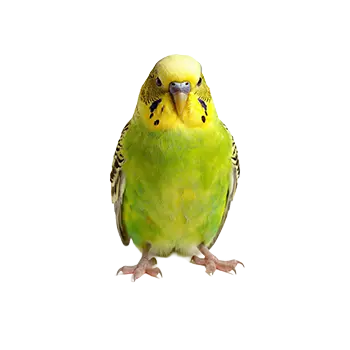

Budgerigars are energetic, fast-flying birds that need far more space than their small size might suggest. The absolute minimum cage dimensions for a single budgie are eighteen inches long by eighteen inches wide by eighteen inches tall, but this truly is a minimum — a cage that size provides just enough room to move between perches and should only be considered if the bird receives several hours of supervised out-of-cage flight time daily. For owners who cannot guarantee daily free flight, a cage measuring at least thirty inches in length is strongly recommended.
Horizontal space matters more than vertical space for budgerigars. Unlike climbing parrots that scale cage walls vertically, budgies are natural fliers that move in quick horizontal bursts. A long, wide cage allows short flights between perches, which is critical for cardiovascular health, muscle tone, and mental wellbeing. Tall, narrow cages marketed as "parakeet homes" often provide impressive height but insufficient flight distance.
For pairs or small flocks, scale up proportionally. Two budgies need roughly one and a half times the space of a single bird, and a group of four or more will thrive best in a flight cage measuring at least four feet in length. Budgies are highly social and generally do better with a companion, so planning for at least a pair from the start saves the cost and hassle of upgrading later.
Placement within the home also affects how spacious a cage feels to its occupants. Position the cage against a wall or in a corner so the birds have at least one or two sides that feel protected, reducing stress. Avoid placing cages in direct sunlight, near drafty windows, in kitchens where cooking fumes are present, or in high-traffic hallways where constant movement may keep the birds on edge.