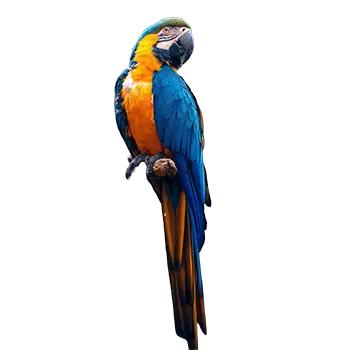

Grooming is an essential component of Blue and Gold Macaw care that requires specialized tools designed for large parrots. While macaws perform extensive self-grooming through preening, certain maintenance tasks fall to the owner or avian veterinarian, with nail trimming being the most frequent. A macaw's nails grow continuously and, in captivity, may not wear down sufficiently through perching alone, especially if the cage lacks appropriately textured perching surfaces. Overgrown nails impair grip, alter foot posture, and can snag on fabric, rope toys, or cage components, creating injury risks.
Nail trimming tools for macaws include guillotine-style clippers, scissor-style clippers, and rotary grinding tools. Scissor-style clippers with short, heavy blades designed for medium to large birds offer the best control for macaw nails, which are thicker and harder than those of smaller parrot species. Rotary grinders, essentially small handheld Dremel-type tools with sanding drum attachments, allow precise material removal and create smooth nail tips that are less likely to snag than the blunt cut left by clippers. Many experienced macaw owners prefer grinders for routine maintenance, reserving clippers for significant length reduction.
Styptic powder or gel should always be on hand during nail trimming sessions. Macaw nails contain a blood vessel, the quick, that extends partway down the nail shaft. Cutting into the quick causes bleeding that, while rarely dangerous, can be alarming and painful for the bird. Styptic powder applied directly to the cut end cauterizes the blood vessel and stops bleeding within seconds. Cornstarch can serve as an emergency substitute if styptic powder is unavailable, though it is less effective.
Beak maintenance in healthy macaws is largely self-managing. Regular chewing on appropriate materials, including destructible toys, cuttlebone, and mineral blocks, naturally shapes and conditions the beak. However, beak abnormalities including overgrowth, asymmetric wear, flaking, or discoloration can develop due to nutritional deficiencies, liver disease, or injury. Beak trimming and reshaping should be performed only by an avian veterinarian or experienced avian groomer, as the beak contains blood supply and nerve tissue that require professional assessment. Owners should never attempt to file, clip, or reshape a macaw's beak at home without veterinary guidance.
Feather condition is maintained primarily through proper nutrition, bathing, and humidity management rather than direct grooming intervention. Wing clipping, which involves trimming the primary flight feathers on one or both wings to limit flight capability, remains a controversial practice with valid arguments on both sides. Owners who choose to clip should have the procedure performed by an avian veterinarian who can assess the appropriate number of feathers to trim for the individual bird's weight and flight style, avoiding the serious injury risks associated with over-clipping.