
Space Requirements

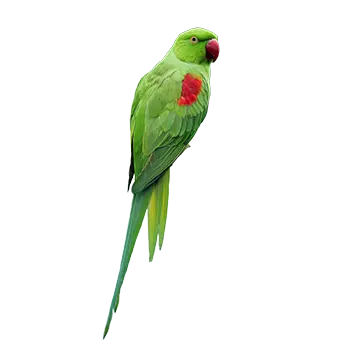
Alexandrine Parakeets are among the larger parakeet species, with a total length that can exceed two feet when accounting for their impressive long tail feathers. This size demands housing that goes well beyond what many first-time parrot owners anticipate. The absolute minimum cage size for a single Alexandrine is 36 inches wide by 24 inches deep by 48 inches tall, but this should be considered a baseline — larger is always better. A cage that allows the bird to fully extend and flap its wings without touching the sides is essential for physical and psychological wellbeing.

Width and depth matter more than height for Alexandrines, as parrots fly horizontally rather than vertically. A cage that is wide enough for short flights between perches provides far more usable space than a tall, narrow cage where the bird can only climb. Flight cages — those designed with a significantly elongated horizontal dimension — are an excellent choice for this species and provide enough room for meaningful exercise even when the bird cannot be let out for supervised free flight.

Placement within the home influences how well the cage functions as a living space. Alexandrines are social birds that become stressed when isolated, so the cage should be in a room where the family spends significant time. However, it should not be in the kitchen, where cooking fumes — especially from overheated nonstick coatings — can be lethal. A corner placement against one or two walls gives the bird a sense of security while still allowing a clear view of household activity.

For owners who can provide outdoor time, a secondary outdoor enclosure or flight cage offers tremendous benefits. Exposure to natural sunlight — not filtered through window glass — allows the bird to synthesize vitamin D3, which is essential for calcium metabolism. Outdoor enclosures must be predator-proof, shaded in part, and never left unsupervised, as even caged birds can be injured or fatally stressed by the presence of cats, hawks, or raccoons.

Cage Construction & Materials

The material and construction quality of a cage are critical considerations for Alexandrine Parakeets, which possess powerful beaks capable of bending thin wire and breaking weak welds. Cage bars should be made of powder-coated steel or stainless steel, with a gauge heavy enough to resist the bird's chewing pressure. Bar spacing should be between five-eighths of an inch and three-quarters of an inch — wide enough to prevent the bird from getting its head trapped, but narrow enough that it cannot squeeze through or get a foot caught.

Stainless steel cages represent the gold standard in durability and safety. They resist rust, do not chip or flake, and contain no coatings that could be ingested. The higher upfront cost is offset by a dramatically longer lifespan — a quality stainless steel cage can last the lifetime of the bird, which in an Alexandrine's case may be 25 to 30 years. Powder-coated steel cages are a more affordable alternative, but the coating must be non-toxic and regularly inspected for chips or flaking, especially around bars that the bird chews frequently.

Avoid cages made with zinc-coated wire, brass, or lead-containing solder, all of which can cause heavy metal poisoning if ingested. This is a genuine risk with Alexandrines, as they routinely chew on cage bars and hardware. When evaluating a new cage, check that latches, hinges, and food door mechanisms are sturdy enough to resist manipulation — Alexandrines are intelligent escape artists that learn to open simple latches within days.

The cage floor design affects daily maintenance significantly. A removable tray beneath a grate floor allows droppings and discarded food to fall away from the bird's living space and simplifies cleaning. The grate should be close-spaced enough that the bird cannot walk on the tray surface below. Some owners prefer grate-free setups with newspaper or cage liners changed daily, which works well if the cage is cleaned consistently.

Perches & Interior Layout

Perch selection and placement are fundamental to an Alexandrine Parakeet's foot health and overall comfort. Natural wood perches of varying diameters should form the primary perching surfaces, as the irregular shapes exercise foot muscles and prevent the pressure sores that develop from sitting on uniform dowel rods. Hardwood branches from bird-safe trees — such as manzanita, java wood, dragonwood, and untreated apple or pear — are ideal. Avoid cedar, cherry, and any branches from trees treated with pesticides.

Perch diameter should range from roughly three-quarters of an inch to an inch and a half, providing enough variety that the bird's feet grip at different widths throughout the day. At least one perch should be positioned high in the cage, as Alexandrines prefer to sleep and rest at the highest available point. Food and water dishes should be positioned near mid-level perches to prevent droppings from contaminating them, and no perch should be placed directly above another for the same reason.

Concrete or textured conditioning perches serve a maintenance function by gently filing the bird's nails and beak as it perches, reducing the frequency of manual grooming. These should be placed in a secondary location — near a food dish, for example — rather than as a primary resting perch, as extended contact with abrasive surfaces can cause foot irritation. Rope perches made from bird-safe cotton or sisal offer a comfortable, flexible perching option, but must be inspected regularly for fraying threads that can entangle toes.

The overall interior layout should balance furnishing with open space. Alexandrines need room to move, climb, and stretch their wings without navigating an obstacle course of toys and perches. A good rule of thumb is to leave the center of the cage relatively open while positioning perches, toys, and feeding stations around the perimeter. This allows short flights or hops across the cage and prevents the cluttered feeling that can cause stress in confined birds.

Aviaries & Flight Enclosures

For owners with the space and resources, a walk-in aviary or dedicated flight enclosure is the optimal housing solution for Alexandrine Parakeets. These large-scale enclosures allow sustained flight, which is the single most beneficial form of exercise for a parrot's cardiovascular and muscular health. An aviary measuring at least eight feet long, four feet wide, and six feet tall provides meaningful flight distance for an Alexandrine, though larger is always preferable.

Indoor aviaries can be constructed from welded wire mesh panels attached to a wooden or metal frame. The mesh gauge should be heavy enough to withstand Alexandrine chewing, and all fasteners should be stainless steel or galvanized with bird-safe coatings. Indoor aviaries benefit from easy access to the household for socialization while offering the bird far more space than even the largest conventional cage. Flooring can be concrete, tile, or sealed wood — all of which are easy to clean and resistant to moisture damage.

Outdoor aviaries provide the additional benefits of fresh air, natural sunlight, and environmental stimulation from weather changes and ambient sounds. However, they require substantially more planning. The enclosure must be fully enclosed on all sides and top with mesh that excludes predators, rodents, and wild birds that may carry disease. A solid roof section or shade cloth over part of the aviary provides shelter from rain, direct midday sun, and aerial predators. Double-door entry systems prevent escape during maintenance.

Climate is the primary limiting factor for outdoor aviaries in many regions. Alexandrine Parakeets originate from South and Southeast Asia and are not cold-hardy. If nighttime temperatures drop below 50 degrees Fahrenheit, the birds need access to a heated shelter within the aviary. In regions with harsh winters, outdoor aviaries often function as three-season spaces, with the birds moved indoors during the coldest months.

Climate & Environmental Control

Temperature regulation is a key aspect of housing an Alexandrine Parakeet safely. These birds are comfortable in a range of roughly 65 to 80 degrees Fahrenheit and can tolerate brief exposure to slightly warmer or cooler conditions without distress. Sudden temperature swings, however, are far more dangerous than sustained moderate temperatures. Positioning the cage away from heating vents, air conditioning outlets, and exterior doors that admit cold drafts helps maintain a stable thermal environment.

Humidity plays a significant role in feather and respiratory health. The ideal humidity range for most parrots is between 40 and 60 percent. In dry climates or during winter months when indoor heating reduces ambient moisture, a room humidifier can prevent the dry skin, feather brittleness, and respiratory irritation that affect Alexandrines in arid conditions. Conversely, excessive humidity above 70 percent promotes mold and bacterial growth in cage substrates and food — a concern in tropical or subtropical regions.

Lighting is an underappreciated environmental factor. Alexandrine Parakeets require 10 to 12 hours of uninterrupted darkness for healthy sleep cycles and hormonal regulation. Covering the cage or moving it to a quiet, dark room at a consistent time each evening supports this need. During waking hours, access to full-spectrum lighting — either natural or via avian-specific UV bulbs — supports vitamin D synthesis and allows the bird to see its full color spectrum, which is broader than human vision and extends into the ultraviolet range.

Air quality is a non-negotiable housing consideration. Parrots have exceptionally sensitive respiratory systems, and airborne toxins that are harmless to humans can be fatal to birds. Overheated nonstick cookware emits polytetrafluoroethylene fumes that kill parrots within minutes. Aerosol sprays, scented candles, incense, air fresheners, and cigarette smoke should all be eliminated from any room housing a parrot. A quality HEPA air purifier near the cage reduces airborne dander, dust, and particulates.

Multi-Bird Households

Housing multiple Alexandrine Parakeets together requires careful planning, as these birds can be territorial and occasionally aggressive toward cagemates — particularly during hormonal periods. A bonded pair can cohabitate successfully in a sufficiently large enclosure, but introducing unfamiliar Alexandrines into a shared cage without a gradual introduction process risks injury. New birds should be quarantined separately for at least 30 days before any physical introduction, followed by weeks of side-by-side housing where the birds can see and hear each other without direct contact.

If multiple Alexandrines will share an aviary, the enclosure must be large enough that each bird can establish its own preferred perching zone without constant territorial conflict. Multiple feeding stations positioned at different heights and locations prevent dominant birds from monopolizing food access. Watch for signs of bullying during the initial cohabitation period — chasing, biting, and feather plucking by a dominant bird indicate that the space is insufficient or the birds are incompatible.

Housing Alexandrine Parakeets alongside other bird species introduces additional complexity. Alexandrines are large and strong enough to injure smaller species, even without aggressive intent. They should not be housed with birds significantly smaller than themselves, such as budgies, lovebirds, or finches. Cohabitation with similarly sized parrots can work in a large aviary setting, but species-specific dietary and environmental needs must still be met individually.

Even in single-bird households, the presence of other pets affects housing decisions. Cages must be positioned where cats cannot reach or sit on top of them, as the stress of a predator's constant presence causes chronic anxiety even if the bird is never physically attacked. Dogs should be trained to ignore the cage area, and unsupervised interactions between parrots and other pets should be avoided entirely. The cage's latching system should be robust enough that curious pets cannot accidentally open doors.

Always consult a qualified professional before making any health-related decisions. This content is provided for informational reference only and should not replace professional guidance specific to your animal.