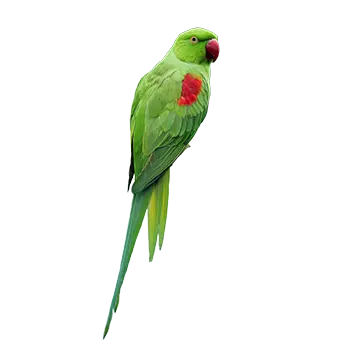

Alexandrine Parakeets are medium-large parrots with active metabolisms and a natural diet that spans seeds, fruits, blossoms, and leafy vegetation. In captivity, replicating this dietary diversity is essential for maintaining feather quality, immune function, and long-term organ health. A diet that leans too heavily on any single food group — especially seeds alone — can lead to fatty liver disease, vitamin A deficiency, and calcium imbalances that shorten lifespan considerably.
The foundation of a captive Alexandrine's diet should be a high-quality formulated pellet, which ensures balanced macro and micronutrient intake regardless of the bird's personal food preferences. Pellets should make up roughly 60 to 70 percent of total daily intake, with the remainder filled by fresh vegetables, fruits, and a controlled portion of seeds and nuts. This ratio prevents the selective feeding behavior that Alexandrines are known for, where they pick out fatty sunflower seeds and discard everything else.
Calcium and vitamin A deserve particular attention with this species. Alexandrines that receive insufficient calcium — especially breeding hens — are prone to egg binding and weakened bones. Vitamin A deficiency manifests as respiratory issues, poor feather condition, and increased susceptibility to infection. Dark leafy greens, orange vegetables, and properly formulated pellets address both concerns without the need for excessive supplementation.
Water quality is another often-overlooked nutritional factor. Alexandrines should always have access to clean, fresh water, changed at minimum twice daily. Bacteria multiply quickly in water dishes, especially when birds dunk food — a common Alexandrine habit. Bottle-style dispensers or filtered water systems can reduce bacterial growth, though dishes should still be scrubbed and sanitized regularly.