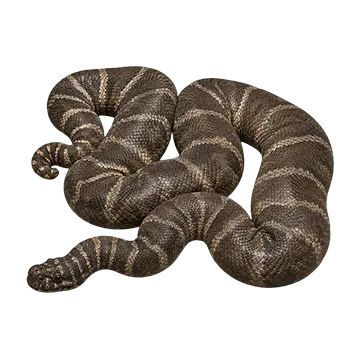

Distinguishing terminal decline from treatable illness is one of the most difficult judgments a keeper of Elephant Trunk Snakes (Acrochordus javanicus) must make, and it requires both a deep familiarity with the individual animal and the guidance of a qualified reptile veterinarian. Terminal decline in this species typically presents as a constellation of symptoms that progress over weeks to months despite appropriate husbandry and veterinary intervention, rather than a single dramatic event. The hallmark signs include sustained refusal of food extending beyond four to six weeks, progressive weight loss that does not respond to dietary modification, deteriorating skin condition with chronic lesions that resist treatment, and a general diminishment of behavioral responsiveness that goes beyond the species' naturally sedentary disposition.
Respiratory deterioration is often the most visible component of terminal decline in aquatic snakes. An Elephant Trunk Snake approaching the end of life may surface to breathe with increasing frequency and visible effort, hold its head above water for extended periods, or develop audible respiratory sounds that persist regardless of water temperature and quality optimization. In advanced cases, the snake may begin to float abnormally at the surface with its body listing to one side, indicating a loss of the fine muscular control required to maintain normal buoyancy and orientation. These respiratory changes can result from advanced pneumonia, systemic organ failure affecting gas exchange, or the cumulative failure of multiple body systems simultaneously.
Neurological signs, while less common, can accompany terminal decline and are particularly distressing to observe. Loss of righting reflex — the ability to correct its body orientation when displaced — indicates profound neurological compromise. Circling behavior, head tilting, and inability to strike accurately at prey even when the feeding response is still present can all indicate central nervous system deterioration from infection, organ-derived toxemia, or age-related degeneration. These neurological signs generally carry a poor prognosis and are unlikely to resolve with treatment, though a veterinary assessment is still warranted to rule out reversible causes such as thiamine deficiency or acute bacterial meningitis.
The keeper's emotional response to recognizing terminal decline should be acknowledged and respected as a legitimate part of the caregiving experience. A decade or more of daily interaction with an animal creates a bond that is real regardless of the animal's species, and the realization that an animal is dying naturally provokes grief, anxiety, and sometimes guilt. These emotions can cloud judgment and lead to either premature decisions or inappropriate prolongation of suffering through continued aggressive treatment. The most constructive approach is to work closely with a veterinarian who knows the animal and the species, to focus objectively on the quality-of-life indicators described in this guide, and to prioritize the animal's comfort and dignity above the keeper's understandable desire to postpone loss.