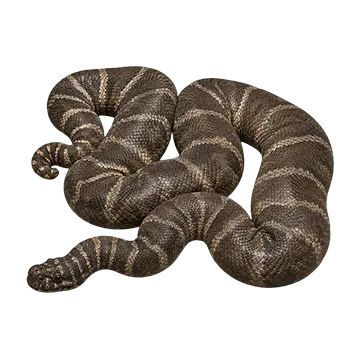

Elephant Trunk Snakes (Acrochordus javanicus) reach sexual maturity at different rates depending on sex, with males typically maturing between two and a half and three years of age and females maturing somewhat later, usually between three and a half and five years. Size is a more reliable indicator of reproductive readiness than age alone. Males should be at least three and a half feet in length with good body condition before being introduced to breeding, while females should be a minimum of five feet and in robust health with adequate fat reserves to sustain the metabolic demands of gestation. Breeding an undersized or nutritionally compromised female risks stillbirth, dystocia, and severe post-partum debilitation that can permanently impair the animal's health.
Sexual dimorphism in Elephant Trunk Snakes is pronounced and facilitates visual sex determination in mature specimens. Females are substantially larger and heavier than males, often exceeding them in both length and girth by a significant margin. Males have proportionally longer, thicker tails relative to their body length, reflecting the internal hemipenes, while females have shorter, more tapered tails. Probe sexing by an experienced keeper or veterinarian provides definitive sex determination in younger individuals where visual dimorphism is less obvious, but this procedure should be performed with care in an aquatic species to avoid injury to the delicate cloacal tissues.
Breeding readiness assessment extends beyond simple size and age criteria to encompass overall health status and reproductive cycling. Both prospective parents should be free of active infections, parasites, and chronic health conditions before any breeding attempt. A pre-breeding veterinary examination including blood work and fecal screening is strongly recommended to confirm that both animals are in optimal condition. Females that have recently recovered from illness, undergone antibiotic treatment, or experienced significant weight loss should be allowed a full recovery period of at least six months before breeding is attempted.
The decision to breed Elephant Trunk Snakes in captivity should be made thoughtfully, with realistic consideration of the demand for offspring and the keeper's capacity to raise or rehome a litter of six to twenty-five neonates that will each require individual aquatic housing, feeding, and health monitoring. Unlike many popular pet snake species, Elephant Trunk Snakes occupy a niche market with limited buyer demand, and producing a large litter without pre-arranged homes can result in animals that must be cared for long-term by the breeder. Responsible breeding begins with planning for the placement of every potential offspring before mating is initiated.