
Recognizing Terminal Decline

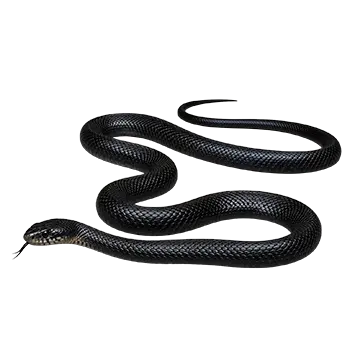
Distinguishing terminal decline from treatable illness in an aging Eastern Indigo Snake (Drymarchon couperi) is one of the most challenging responsibilities a keeper faces. The difficulty lies in the overlapping presentation of many geriatric conditions: weight loss, appetite reduction, decreased activity, and withdrawal from routine interactions can all result from correctable husbandry errors, treatable medical conditions, or the irreversible systemic failure that marks the end of life. The critical first step when a senior snake begins to exhibit these signs is a thorough veterinary evaluation to identify or rule out conditions that may be amenable to treatment, ensuring that no animal is consigned to palliative care while a curable or manageable problem goes unaddressed.

When veterinary diagnostics reveal advanced organ failure, widespread neoplasia, or other conditions for which no effective treatment exists, the focus of care shifts from cure to comfort. Terminal decline in Eastern Indigo Snakes typically manifests as a progressive constellation of symptoms that worsen over weeks to months. Sustained and complete refusal to eat, unresponsive to any prey type or presentation method, is often the earliest and most definitive behavioral marker. This anorexia differs from seasonal appetite fluctuations or the temporary fasting associated with shed cycles in its persistence and its resistance to environmental manipulation.

Physical deterioration follows the cessation of feeding. Progressive muscle wasting becomes apparent along the dorsal and lateral body walls, with the vertebral column and costal ribs becoming increasingly prominent as subcutaneous and muscular tissue is consumed for energy. The skin may lose its characteristic luster and develop a dull, papery texture. Shedding becomes irregular — some animals in terminal decline will produce fragmentary, incomplete sheds at abnormally long intervals, while others will cease shedding entirely. The eyes may appear sunken, and the overall impression is of an animal whose body is slowly winding down despite the keeper's best efforts.

Neurological signs, including loss of coordination, stargazing, inability to right when placed on the dorsum, and head tremors, may appear in the terminal stages of certain conditions, including advanced renal failure, systemic infection, and some neoplastic processes. These neurological symptoms are particularly distressing for keepers to observe and are generally considered strong indicators that the animal's quality of life has deteriorated significantly. Their onset should prompt an urgent conversation with the attending veterinarian about the appropriateness of continued palliative care versus humane euthanasia.

Palliative & Comfort Care

Palliative care for a terminally declining Eastern Indigo Snake focuses on minimizing discomfort, reducing stress, and maintaining the highest possible quality of life for whatever time remains. The enclosure environment should be simplified to eliminate any features that could cause injury to a weakened or uncoordinated animal. Heavy furnishings, elevated platforms, and deep water dishes that could pose a drowning risk should be removed or replaced with low-profile alternatives. The substrate should be soft, clean, and easy to maintain — paper towels or fleece liners allow frequent changes with minimal disturbance to the snake and provide a smooth, non-abrasive surface for an animal with fragile skin and diminished muscle tone.

Thermal regulation takes on heightened importance during palliative care. A terminally ill snake may lose the ability or motivation to thermoregulate by shuttling between warm and cool zones, so the keeper should ensure that the snake's preferred resting area is maintained at the optimal temperature of 82 to 85 degrees Fahrenheit. A gentle, consistent warmth supports whatever metabolic function remains and provides physical comfort. Avoid temperature extremes in either direction: excessive heat can accelerate dehydration and metabolic demand, while cool temperatures can exacerbate lethargy and further depress an already failing immune system.

Hydration support is a cornerstone of palliative care for reptiles. Even a snake that has completely stopped eating will benefit from continued water intake, and maintaining hydration can significantly extend comfort and slow the progression of renal decline. If the snake is no longer drinking voluntarily, warm water soaks of fifteen to twenty minutes every two to three days can promote passive transdermal fluid absorption and encourage elimination of metabolic waste. Subcutaneous or intracoelomic fluid administration, performed by the veterinarian or taught to the keeper under veterinary guidance, may be appropriate for snakes in advanced dehydration and can provide noticeable short-term improvement in alertness and comfort.

Handling during the palliative phase should be guided entirely by the snake's tolerance. Some individuals continue to accept and even appear to benefit from brief, gentle handling sessions, while others become visibly stressed by any disturbance. The keeper's intimate knowledge of the individual animal's preferences is the best guide here. If the snake remains calm during handling, short sessions can continue as a form of comfort and connection. If the snake shows signs of distress — jerking, attempting to flee, musking, or assuming a tightly coiled defensive posture — handling should be discontinued and interaction limited to essential care activities such as water changes, substrate cleaning, and visual observation.

Pain Assessment & Medical Support

Assessing pain in snakes is inherently difficult, as reptiles do not express discomfort through the vocalizations, facial expressions, or postures that mammals use. Nevertheless, the scientific consensus is clear that snakes possess nociceptive pathways and experience pain, and the ethical obligation to manage that pain in a terminally ill animal is no less real for being harder to observe. Behavioral indicators of pain in Eastern Indigo Snakes may include sustained immobility in an abnormal posture, reluctance to move even when gently stimulated, flinching or withdrawal when specific body regions are touched, and a generalized hyperreactivity to stimuli that the animal previously tolerated without response.

Pharmacological pain management in reptiles is a developing field, and treatment protocols should be developed in close collaboration with a veterinarian experienced in reptile medicine. Non-steroidal anti-inflammatory drugs such as meloxicam are commonly used for mild to moderate pain in snakes and can be administered orally or by injection at species-appropriate dosages. Opioid analgesics, including tramadol and morphine, have been studied in reptilian species and may be appropriate for moderate to severe pain, though dosing intervals and efficacy can differ substantially from mammalian applications. All analgesic medications require careful dose calculation based on the snake's current body weight, and the keeper should never administer pain medication without veterinary prescription and guidance.

Supportive medical interventions beyond analgesia may also be part of the palliative care plan. Antibiotic therapy may be continued or initiated to manage secondary infections that can develop in immunocompromised animals, providing comfort even when the underlying terminal condition is untreatable. Anti-emetic medications may be appropriate if the snake is experiencing persistent regurgitation. Vitamin and mineral supplementation, particularly vitamin B complex, has been suggested by some practitioners as a supportive measure for snakes with failing hepatic or renal function, though evidence for its efficacy is largely anecdotal.

The keeper should maintain open and frequent communication with the veterinary team throughout the palliative phase. Changes in the snake's condition, whether positive or negative, should be reported promptly so that the care plan can be adjusted accordingly. The veterinarian can provide guidance on which symptoms indicate a manageable fluctuation in condition and which signal a definitive worsening that may necessitate revisiting the decision to continue palliative care. This ongoing dialogue ensures that medical support remains responsive to the animal's evolving needs and that the keeper is not bearing the burden of end-of-life decision-making alone.

Making the Decision

The decision to euthanize a terminally ill Eastern Indigo Snake is among the most emotionally difficult experiences in reptile keeping, and it is one that many keepers of long-lived species will face at least once. The central ethical principle guiding this decision is straightforward: the animal's welfare must take precedence over the keeper's desire to prolong its life. When the balance of the snake's daily experience has tipped irreversibly from comfort toward suffering, continuing to sustain life ceases to be an act of care and becomes an imposition of the keeper's emotional needs onto the animal.

Several objective criteria can help frame the decision. A snake that has completely ceased eating for an extended period, has lost the ability to thermoregulate independently, cannot maintain normal body posture, or displays persistent neurological dysfunction is an animal whose fundamental biological functions have failed to a degree that is incompatible with a positive quality of life. No single criterion should be considered in isolation; rather, the cumulative burden of multiple concurrent deficits determines whether the animal has crossed the threshold beyond which palliative care alone is insufficient to prevent suffering.

Consulting with the attending veterinarian is essential when considering euthanasia. The veterinarian can provide a clinical assessment of the animal's prognosis, an honest evaluation of the remaining treatment or palliative options, and professional perspective on the degree of suffering the animal is likely experiencing. Some keepers find it helpful to designate a specific point in advance — for example, a particular combination of clinical signs or a particular duration of anorexia — at which they will initiate the euthanasia discussion with their veterinarian. This pre-commitment can reduce the agonizing indecision that often accompanies the decision-making process in real time.

It is important to recognize that there is rarely a single, unambiguous moment at which euthanasia becomes the clearly correct choice. More often, the keeper and veterinarian must make a judgment call based on the best available information, informed by the understanding that erring slightly early — choosing to end suffering before it becomes extreme — is generally more humane than erring late and allowing the animal to endure prolonged discomfort while the keeper deliberates. Guilt is a natural and nearly universal emotional response among keepers who choose euthanasia for an animal they have cared for over many years, and it does not indicate that the wrong decision was made.

The Euthanasia Process

Euthanasia of a reptile should always be performed by a licensed veterinarian using methods approved by the American Veterinary Medical Association. The accepted standard for snake euthanasia is an intravenous or intracardiac injection of a barbiturate agent, most commonly sodium pentobarbital, which produces rapid loss of consciousness followed by cessation of cardiac and respiratory function. This method is considered the most humane available, as it minimizes pain and distress when administered correctly. Keepers should never attempt to euthanize a snake using improvised or non-veterinary methods, as these can result in prolonged suffering and may constitute animal cruelty under applicable law.

Prior sedation is often employed to reduce the stress of handling and injection, particularly for large or debilitated animals. The veterinarian may administer an injectable anesthetic agent intramuscularly or subcutaneously ten to twenty minutes before the final barbiturate injection, allowing the snake to become calm and unresponsive before the terminal procedure is performed. This two-step approach is particularly beneficial for snakes whose condition makes venipuncture difficult or for keepers who wish to hold or be near the animal as it passes without the distress of watching a conscious snake receive an injection.

Keepers should be aware that reptilian physiology differs significantly from mammalian physiology in ways that affect the euthanasia process. Snakes have a slower metabolic rate and a more resilient cardiovascular system than mammals of comparable size, which means that cardiac function may persist for some time after the barbiturate injection and apparent loss of consciousness. This post-injection cardiac activity does not indicate that the animal is alive or conscious in any meaningful sense, but it can be unsettling for keepers who are not prepared for it. The veterinarian should explain what to expect before the procedure begins, including the possibility of involuntary muscle movements or slow, irregular heartbeats that may continue after brain death has occurred.

Afterward, the keeper must decide on body disposition. Options include burial in compliance with local regulations, cremation through a veterinary or pet cremation service, or, in the case of animals held under federal or state permit, submission of the body to the permitting agency for scientific study or specimen preservation. Some keepers choose to retain shed skins, photographs, or other mementos of their animal as tangible reminders of the relationship. These choices are deeply personal and there is no universally correct approach, only the one that provides the keeper with the sense of closure and respect that the animal deserves.

Grief, Remembrance & Moving Forward

The death of a long-lived reptile companion evokes a grief response that is every bit as valid and substantial as the loss of any other animal companion, though reptile keepers sometimes find that their grief is dismissed or minimized by friends, family members, or social contacts who do not understand the depth of the human-reptile bond. An Eastern Indigo Snake that has been in a keeper's care for twenty or more years has been a daily presence through decades of the keeper's life, a relationship built on thousands of individual interactions, feedings, health decisions, and quiet moments of observation. The loss of that presence leaves a genuine void that deserves acknowledgment and space for processing.

The emotional trajectory of grief following the loss of a reptile is individual and unpredictable. Some keepers experience acute sadness in the immediate aftermath that gradually softens over weeks or months, while others find that grief emerges in unexpected waves triggered by routine activities that were once associated with the animal's care — preparing a water change, passing the empty enclosure, or encountering the species in photographs or literature. These responses are normal expressions of a meaningful attachment and do not require justification or explanation.

Connecting with others who share an understanding of reptile keeping can provide valuable support during the grieving process. Online communities dedicated to Eastern Indigo Snakes, large colubrid species, or reptile keeping in general often include members who have experienced similar losses and can offer empathetic perspective. Some veterinary clinics maintain pet loss support resources or can refer keepers to counselors who specialize in animal bereavement. The key is to seek support from those who understand that the relationship between a keeper and a long-lived reptile, while different in form from the bond between a person and a dog or cat, is no less significant in substance.

Decisions about whether and when to acquire another Eastern Indigo Snake should be made without external pressure or artificial timelines. Some keepers find comfort in applying their accumulated expertise to the care of a new individual relatively quickly, viewing the continuation of their involvement with the species as a meaningful tribute to the animal they lost. Others need extended time away from the demands and emotional investment of keeping a large, long-lived, federally protected species before they are ready to begin again. Both approaches, and everything in between, are entirely valid. What matters is that the decision is made from a place of readiness and intention rather than impulse or pressure, ensuring that any new animal enters a home that is fully prepared — logistically, financially, and emotionally — to provide the exceptional standard of care that the species requires and deserves.

Always consult a qualified professional before making any health-related decisions. This content is provided for informational reference only and should not replace professional guidance specific to your animal.