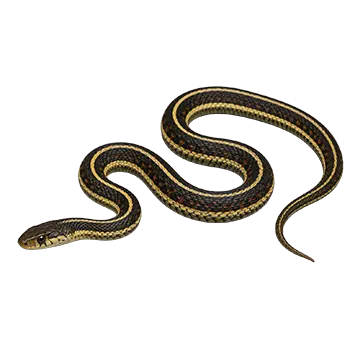

Terminal decline in the Common Garter Snake (Thamnophis sirtalis) differs from the gradual age-related slowing discussed in the senior care context by its progressive, irreversible nature and its resistance to the husbandry adjustments that typically improve a senior animal's condition. Where a senior snake experiencing normal aging may respond positively to dietary modifications, environmental changes, and increased veterinary attention, a snake in terminal decline continues to deteriorate despite the keeper's best efforts. Recognizing this distinction is emotionally difficult but essential for making compassionate, informed decisions about the animal's remaining care.
The most common pathway to terminal decline involves the progressive failure of one or more organ systems. Renal failure, hepatic failure, and disseminated neoplasia are the conditions most frequently responsible for irreversible decline in captive garter snakes. Each of these conditions follows its own trajectory, but they share common outward signs: sustained and progressive weight loss that does not respond to dietary adjustments, complete and persistent anorexia lasting three weeks or more, visible muscle wasting along the dorsal surface and tail, and a general dullness or lack of responsiveness that is qualitatively different from the sluggishness of normal aging or the temporary lethargy of an acute illness.
Neurological decline, while less common than organ failure, presents its own set of recognizable signs. A snake experiencing neurological deterioration may exhibit stargazing behavior, in which the head is held at an abnormal upward angle for extended periods, loss of the righting reflex that prevents it from returning to a normal position when turned upside down, corkscrewing or circular locomotion patterns, and loss of coordination during feeding attempts. These signs may result from advanced infection, metabolic toxicity from organ failure, or primary neurological disease, and they generally indicate a condition that is beyond curative treatment.
The pace of terminal decline varies considerably between individuals and underlying conditions. Some snakes decline gradually over the course of weeks or months, while others deteriorate rapidly over a matter of days. In cases of sudden, acute decline, particularly in younger animals where a terminal condition was not previously suspected, an emergency veterinary evaluation may reveal a treatable cause such as a severe infection, intestinal obstruction, or reproductive complication. The veterinarian can help distinguish between a potentially reversible crisis and the final stages of an irreversible process, providing the keeper with the information needed to make appropriate care decisions.