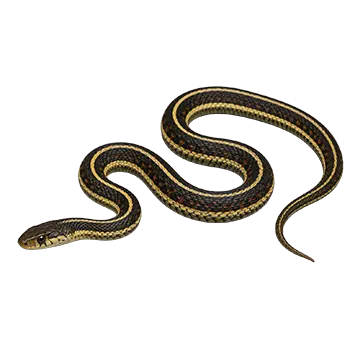

Common Garter Snakes (Thamnophis sirtalis) reach sexual maturity relatively quickly compared to many other snake species, with males typically becoming reproductively capable at one to one and a half years of age and females at two to three years. However, physiological capability alone does not mean an individual is ready for the demands of breeding. Females in particular must be assessed for adequate body condition before being included in a breeding program, as the metabolic cost of gestation and live birth in this species is substantial and can be life-threatening for underweight or undersized individuals.
Body condition assessment for prospective breeding females should evaluate both weight and overall physical robustness. A breeding-ready female should have a well-rounded body profile without visible spine or rib outlines, a healthy layer of stored fat reserves along the lateral body wall, and a total length of at least eighteen inches, though larger females produce larger, healthier litters and recover more readily from the demands of gestation. Weighing the female and comparing her weight to published averages for her length class provides an objective measure of condition. Females that fall below eighty percent of the target weight for their length should be fed up to condition over several months before being subjected to brumation and breeding.
Males intended for breeding should also be in robust physical condition, though the physiological demands on the male are far less than on the female. A healthy adult male with consistent feeding history, no history of recent illness, and normal activity levels is generally suitable for breeding purposes. Males do not need to be as large as females, and even relatively small males can successfully copulate with larger females. However, males that are underweight, recently recovered from illness, or have been through a stressful experience such as a move to a new enclosure should be given time to stabilize before being introduced to breeding.
Genetic considerations should factor into pairing decisions, particularly for keepers working with specific color morphs or locality-specific lineages. Inbreeding depression, which manifests as reduced litter sizes, increased rates of stillbirth, and diminished neonatal vigor, can develop quickly in small captive populations that are bred without attention to genetic diversity. Maintaining records of lineage and ancestry for all breeding stock and periodically introducing unrelated individuals from other breeders helps maintain genetic health across generations.