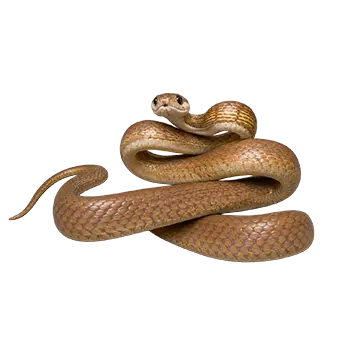

Permanent Enclosure Design

An adult Cat-Eyed Snake (Leptodeira septentrionalis) requires a permanent enclosure that reflects both the species' arboreal lifestyle and its moderate adult size. The recommended minimum enclosure dimensions for a single adult are 24 by 18 by 30 inches (length by width by height), though larger setups are always beneficial and allow for more elaborate interior landscapes. Height remains the most important dimension for this species — a tall enclosure with ample vertical climbing space supports the natural behavior that keeps an adult Cat-Eyed Snake physically and psychologically healthy over a lifespan that can extend beyond a decade in well-managed captive conditions.

Enclosure material choice has meaningful implications for humidity management, visibility, and long-term durability. Glass terrariums with front-opening doors provide excellent visibility and humidity retention but can be heavy and difficult to modify. PVC or melamine enclosures offer superior insulation and moisture resistance, making them easier to maintain at the stable tropical conditions this species requires, though they typically sacrifice some viewing clarity through opaque side and back panels. Regardless of material, the enclosure must feature secure latching mechanisms on all access points, as adult Cat-Eyed Snakes are persistent and surprisingly strong climbers that can exploit even small gaps between doors or between screen lids and enclosure rims.

The interior should be designed as a functional three-dimensional habitat with climbing pathways, perching sites, and concealment options distributed throughout the full height of the enclosure. A network of branches — natural grapewood, manzanita, or cork bark rounds — arranged at varying angles creates a complex climbing environment that encourages physical activity and provides the muscular stimulation essential for maintaining body condition in arboreal species. Live tropical plants such as pothos, philodendron, bromeliads, and small ferns add humidity buffering, visual barriers, and biologically active surfaces that support microfaunal communities beneficial in bioactive setups. Each plant should be secured firmly to prevent dislodging under the weight of the snake, and any soil used for potted plants must be free of perlite, vermiculite, and chemical fertilizers that could be ingested.

The substrate layer in an adult enclosure serves both aesthetic and functional purposes. A base of coconut fiber or a coconut fiber and orchid bark blend, maintained at two to three inches of depth, retains moisture effectively while allowing adequate drainage. A drainage layer of lightweight expanded clay aggregate beneath the substrate prevents waterlogging in heavily misted enclosures and is particularly important in bioactive setups where excess moisture can drown beneficial invertebrates. A surface layer of dried tropical leaf litter — magnolia, live oak, or sea grape leaves — completes the substrate profile, providing cover for cleanup crew organisms, additional humidity buffering, and a naturalistic appearance that mimics the forest floor microhabitats where wild Cat-Eyed Snakes shelter during the day.

Long-Term Dietary Management

Feeding an adult Cat-Eyed Snake is a matter of balancing the species' specialized natural diet against the practical realities of long-term prey sourcing in captivity. Adults that were successfully transitioned to scent-transferred rodent prey during the juvenile stage can continue on this diet indefinitely, with appropriately sized adult mice (typically fuzzy to small adult mice depending on the individual snake's girth) offered every seven to ten days. This extended feeding interval reflects the reduced metabolic rate and slower growth of adults compared to juveniles and helps prevent the obesity that is one of the most common health problems in captive colubrids maintained on rodent-heavy diets.

For adults that remain committed amphibian feeders and have not accepted rodent alternatives, maintaining a reliable supply of appropriate feeder frogs becomes a long-term logistical commitment. Captive-bred tree frogs from reputable suppliers are the preferred option, as wild-caught amphibians may harbor parasites, pesticide residues, or bacterial pathogens that can be transmitted to the snake. Some keepers maintain their own breeding colonies of small tree frog species specifically to supply their Cat-Eyed Snakes — an investment of time and space that pays dividends in prey quality and availability. Adults readily consume medium-sized tree frogs, small Cuban tree frogs, or comparably sized species, and most individuals are eager, aggressive feeders that strike and consume prey within minutes of presentation.

Variety within the diet provides nutritional breadth that a single prey type cannot match. Alternating between rodent meals, amphibian meals, and occasional small gecko or anole offerings over the course of several months supplies a diverse profile of proteins, fats, vitamins, and trace minerals. Whole prey animals of different species carry different nutrient densities — for example, frogs tend to be leaner than mice but contain higher levels of certain micronutrients associated with their invertebrate-heavy diets. This rotational approach mimics the dietary diversity that wild Cat-Eyed Snakes experience as prey availability fluctuates with seasonal rainfall, temperature, and breeding cycles of local amphibian populations.

Obesity assessment in adult Cat-Eyed Snakes requires familiarity with the species' naturally slender build. Unlike heavy-bodied snakes such as pythons and boas, a healthy adult Leptodeira has a distinctly laterally compressed body cross-section, particularly in the anterior half, with a well-defined vertebral ridge visible when viewed from above. An obese individual shows a rounded, cylindrical body profile with no visible vertebral ridge, skin folds between the scales (particularly along the ventral margins), and a general sluggishness in movement. Weight monitoring at monthly intervals using a reliable digital scale provides objective data that supplements visual assessment and allows keepers to detect gradual weight creep before it reaches clinically significant levels.

Behavioral Patterns in Mature Adults

Adult Cat-Eyed Snakes exhibit a well-established repertoire of behaviors that, once understood, provide keepers with a reliable framework for assessing physical health and psychological well-being. The nocturnal activity cycle that began developing during the juvenile stage is fully mature in adults, with individuals emerging from daytime retreats within thirty to sixty minutes of enclosure lights dimming and remaining active for several hours through the evening. This activity period is characterized by systematic exploration of the enclosure — tongue-flicking along branches, leaves, and enclosure walls to sample the chemical environment, investigating water sources, and moving through the upper and middle zones of the habitat in the sinuous, deliberate locomotion characteristic of arboreal colubrids.

Feeding behavior in adults is markedly more refined than in younger animals. An adult Cat-Eyed Snake that detects prey visually will orient its body toward the target, elevate the anterior third of its body into the distinctive Leptodeira hunting posture, and track the prey item with its large, forward-facing eyes before executing a rapid open-mouth strike. The rear-fanged venom delivery system functions during this strike: the enlarged, grooved rear maxillary teeth engage the prey item, and a mild venom is introduced through chewing motions that work the prey deeper into the mouth. This venom, composed primarily of mild cytotoxic and hemorrhagic compounds, serves to subdue amphibian prey in the wild but is functionally insignificant to human handlers. Understanding this feeding mechanism helps keepers appreciate why Cat-Eyed Snakes may chew on prey items for an extended period rather than simply swallowing them immediately.

Seasonal behavioral shifts are common in adult Cat-Eyed Snakes, even in the relatively stable conditions of captivity. Many individuals show a reduction in appetite and activity during the cooler months, particularly if ambient room temperatures drop slightly or if the photoperiod changes with natural daylight patterns. This seasonal modulation is a vestige of the species' wild ecology, where activity levels and feeding intensity are closely tied to the rainy season and the corresponding explosion of amphibian prey populations. Allowing a mild seasonal slowdown rather than fighting it with increased feeding pressure or elevated temperatures respects the animal's natural rhythms and may contribute to long-term reproductive health and longevity.

Defensive behavior in well-socialized adults is generally minimal. Most long-term captive Cat-Eyed Snakes tolerate handling with equanimity, resting calmly in the keeper's hands and showing none of the musking, gaping, or striking behaviors common in unsocialized or recently acquired individuals. However, defensive responses can resurface unexpectedly in situations of acute stress — enclosure relocation, introduction of a new cage mate during breeding attempts, prolonged illness, or exposure to unfamiliar predator scents such as those carried on a keeper's hands after handling a larger snake species. Recognizing these context-dependent triggers allows keepers to anticipate and mitigate stress rather than attributing renewed defensiveness to a permanent temperament change.

Environmental Maintenance & Seasonal Considerations

Long-term environmental management for adult Cat-Eyed Snakes requires consistent attention to the tropical conditions that sustain this species' health and behavioral repertoire. The thermal gradient established during the juvenile stage remains unchanged in the adult enclosure: a warm-end ambient temperature of 82 to 86 degrees Fahrenheit, a cool end of 74 to 78 degrees, and a nighttime drop of five to eight degrees across the entire enclosure. However, the larger air volume of an adult enclosure may necessitate more powerful or additional heat sources to maintain these parameters, particularly in rooms that experience significant temperature fluctuations with household heating and cooling cycles or seasonal weather changes.

Humidity management in the adult enclosure benefits from the more complex furnishing and deeper substrate beds that characterize a mature setup. Bioactive enclosures, in which a living substrate supports populations of springtails, tropical isopods, and other detritivores, are particularly effective at self-regulating humidity because the biological processes occurring within the soil layer generate and retain moisture in a self-sustaining cycle. In non-bioactive setups, daily misting — ideally timed to coincide with the onset of the dark period to simulate evening tropical humidity spikes — combined with a large, well-placed water dish and moisture-retentive substrate maintains the 60 to 80 percent humidity range that this species requires.

Seasonal cycling — a deliberate manipulation of temperature, photoperiod, and humidity to simulate the natural wet and dry seasons of the Cat-Eyed Snake's native range — is optional for non-breeding adults but offers meaningful physiological benefits even when reproduction is not the goal. A mild cooling period of approximately six to eight weeks during the winter months, achieved by reducing the warm-end temperature to 78 to 80 degrees and shortening the photoperiod to ten hours of light and fourteen hours of dark, allows the snake's metabolism to slow naturally. This seasonal rest period has been associated with improved appetite, more reliable shedding, and enhanced overall vigor when normal conditions are restored in the spring. The transition into and out of the cooling period should be gradual, spanning one to two weeks in each direction, to avoid thermal shock.

Enclosure maintenance schedules for adults should include daily spot-cleaning of feces and urates, daily water dish cleaning and refilling, weekly inspection of all heating and humidity equipment, and a thorough substrate replacement and enclosure disinfection on a monthly basis in non-bioactive setups. Bioactive enclosures require less frequent full cleanups — often only every six to twelve months — but still need regular monitoring to ensure that the cleanup crew population is healthy, that no anaerobic zones have developed in compacted substrate areas, and that plant health remains good. Regardless of substrate type, all branches, hides, and furnishings should be inspected during each cleaning for signs of mold growth, structural weakness, or fecal contamination that might not be visible during casual observation.

Handling & Routine Interaction

Handling an adult Cat-Eyed Snake is a straightforward experience for keepers who established consistent socialization routines during the hatchling and juvenile stages. A well-socialized adult typically rests calmly across the hands and forearms, threading through fingers in a slow, exploratory manner and showing no defensive postures or vocalizations. The snake's slender, lightweight build — most adults weigh between 60 and 120 grams — makes it easy to support one-handed, though two-handed support that distributes body weight across both palms is preferable for the snake's comfort and security. Sessions of ten to fifteen minutes, conducted two to three times per week, maintain socialization without causing the chronic stress associated with excessive handling.

The timing of handling sessions should respect the species' nocturnal activity cycle. Handling during the late afternoon or early evening, as the snake begins its natural wake-up sequence, is far less disruptive than disturbing a deeply resting animal during the middle of the day. A snake that is roused from daytime sleep for handling will often be sluggish, unresponsive, and more likely to display irritability than one that is already transitioning toward its active phase. Observing the snake's posture before opening the enclosure provides useful information: an individual that is loosely coiled with its head extended and eyes open is in a lighter resting state and more receptive to interaction than one that is tightly coiled with its head tucked beneath body coils.

Safety considerations for handling adult Cat-Eyed Snakes are minimal compared to larger or more defensive species, but several precautions remain relevant. Hands must be washed thoroughly before handling to remove prey scent — particularly amphibian or fish odors — that could trigger a feeding strike. While a bite from an adult Cat-Eyed Snake is not medically significant for most people, the species' rear-fanged venom delivery system means that a sustained bite with chewing can introduce mild venom components that cause localized swelling, itching, or discomfort in sensitive individuals. If bitten, the recommended response is to gently encourage the snake to release by running cool water over its snout or by waiting patiently — pulling the snake off forcefully can damage its teeth and jaw.

Long-term interaction builds a relationship in which the keeper can recognize subtle behavioral indicators that communicate the snake's state of health and comfort. An adult Cat-Eyed Snake that regularly emerges at dusk, feeds eagerly on its appointed day, sheds cleanly and completely, and tolerates handling without defensive behavior is communicating through its behavior that its environmental, nutritional, and social needs are being met. Changes in any of these behavioral benchmarks — a snake that suddenly becomes reclusive, refuses multiple meals, produces incomplete sheds, or reverts to defensive behavior — should be treated as potential indicators of underlying health problems or environmental inadequacies requiring investigation.

Health Maintenance & Disease Prevention

Preventive health management during the adult years establishes the foundation for the Cat-Eyed Snake's long-term wellbeing and can meaningfully extend the animal's productive, comfortable lifespan. Annual veterinary examinations by a reptile-experienced practitioner should include a thorough physical assessment covering body condition scoring, oral examination for signs of stomatitis or dental abnormalities, palpation of the coelomic cavity for masses or organomegaly, and evaluation of skin condition for signs of dermatitis, retained shed, or ectoparasite infestation. A fecal examination should be performed at each annual visit, as internal parasite burdens can fluctuate with changes in diet, immune status, and exposure to contaminated substrates or prey items.

Respiratory health is a persistent concern for any tropical colubrid species maintained in captivity, where environmental conditions are artificially controlled and vulnerable to equipment failures, seasonal fluctuations, and human error. The symptoms of lower respiratory infection in Cat-Eyed Snakes are similar to those in other colubrids: audible respiratory sounds, mucus visible at the nares or pooling in the oral cavity, open-mouth breathing, lethargy, and appetite suppression. Upper respiratory infections may present with more subtle signs, including increased frequency of head rubbing against surfaces and intermittent, barely audible clicking during respiration. Any respiratory symptom warrants immediate veterinary evaluation, as infections that appear mild can progress to pneumonia within days in a species with the relatively small lung volume and high metabolic rate of a small arboreal colubrid.

Dermatological conditions are the second most common health issue in captive Cat-Eyed Snakes, usually arising from environmental problems rather than primary infectious agents. Scale rot — a bacterial dermatitis that presents as discolored, soft, or eroded ventral scales — develops when the snake is exposed to chronically damp, unsanitary substrate conditions. Blister disease, a related condition characterized by fluid-filled vesicles on the ventral and lateral body surfaces, has similar environmental origins. Both conditions respond well to treatment when caught early: correcting the underlying substrate and humidity issues, applying topical antiseptic solutions as directed by a veterinarian, and keeping the affected snake on clean, dry paper substrate until lesions resolve. Prevention is straightforward — maintaining a clean, well-drained substrate that is moist but never saturated eliminates the conditions that allow these infections to establish.

Dental and oral health deserves attention in a rear-fanged species that relies on sustained chewing to subdue and process prey. The enlarged rear maxillary teeth are functional throughout the snake's life but can be damaged by forceful strikes against hard enclosure surfaces, aggressive extraction of the snake from a feeding response, or feeding prey items with unusually thick or tough integuments. Damaged teeth typically regenerate, as snake dentition is polyphyodont, but the process takes several weeks during which the affected tooth socket is vulnerable to bacterial infection. Routine oral inspections during handling, looking for reddened or swollen gum tissue, broken or missing teeth, or caseous (cheese-like) plaques characteristic of stomatitis, support early detection of dental and oral problems before they progress to systemic infection.

Always consult a qualified professional before making any health-related decisions. This content is provided for informational reference only and should not replace professional guidance specific to your animal.