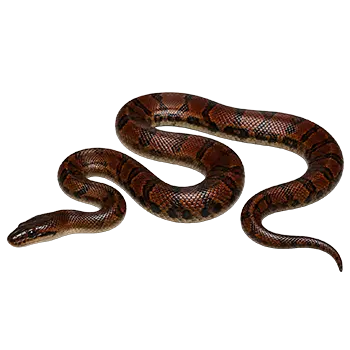

Blood Pythons (Python brongersmai) are long-lived snakes with a captive lifespan commonly reaching twenty to thirty years under good husbandry conditions. The transition into the senior phase is gradual rather than abrupt, typically beginning between fifteen and twenty years of age, though individual variation is significant. Some animals show signs of aging earlier due to chronic obesity, suboptimal husbandry history, or genetic predisposition, while others remain vigorous well into their twenties. Understanding the markers of aging in this species allows keepers to adjust management proactively rather than reactively.
The most visible early sign of aging is a general reduction in activity level. While Blood Pythons are naturally sedentary, senior individuals often become even less inclined to move, spending longer continuous periods in their preferred hide and showing diminished interest in exploring the enclosure. This reduced mobility may be accompanied by a subtle loss of muscle tone, particularly along the dorsal surface behind the head, where the once-robust musculature begins to appear slightly flattened or less defined. These changes are gradual and may only become apparent when comparing current photographs to those taken years earlier.
Shed quality may decline in aging Blood Pythons. Where a healthy adult typically sheds in a single, intact piece, senior animals may begin producing sheds that are fragmented or require extended soaking to complete. Retained spectacles — the clear scale covering each eye — become more common and require careful attention, as accumulated unshed layers can impair vision and lead to secondary infections. Pre-shed periods may also lengthen, with the dull, opaque phase lasting several days longer than it did during the animal's prime years.
Appetite changes are among the earliest functional indicators of aging. A senior Blood Python may begin refusing meals more frequently, taking smaller prey items, or requiring more time to digest each meal. The metabolism of an aging snake slows progressively, and caloric requirements decrease accordingly. These changes are natural and expected, and they necessitate a recalibration of the feeding schedule rather than an increase in offering frequency or prey size. The goal during the senior phase is to maintain stable body condition while accommodating the animal's declining metabolic rate.