
Growth & Physical Development

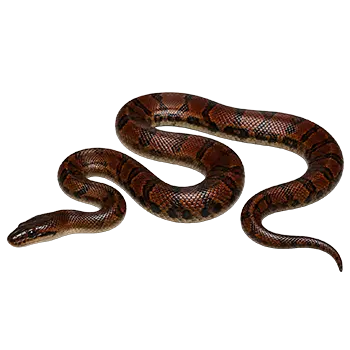
The juvenile phase of the Blood Python (Python brongersmai) spans approximately six months of age through two to three years, during which the animal transitions from a compact hatchling into a heavy-bodied sub-adult approaching its mature dimensions. During this period the snake may grow from roughly eighteen inches to three or even four feet in length, though the more dramatic change is in girth. Blood Pythons are among the heaviest snakes relative to their length, and juveniles begin developing the thick, muscular build characteristic of the species well before they reach full adult length. A one-year-old juvenile may already possess a body diameter disproportionately large compared to similarly long colubrids or even other python species.

Growth rate is not linear and varies with season, feeding response, and individual genetics. Some juveniles experience bursts of rapid growth followed by plateaus that coincide with seasonal shifts in appetite or the onset of shed cycles. These fluctuations are normal and do not necessarily indicate a husbandry problem. Continued weekly or biweekly weight measurements on a reliable digital scale remain the best method for tracking development through this stage. A juvenile that maintains a consistent upward weight trend with occasional brief plateaus is progressing normally.

Shed frequency generally decreases as the juvenile grows. Hatchlings may shed every three to four weeks, while juveniles approaching two years of age typically shed every six to eight weeks. Each shed should be complete and in one piece, which serves as an ongoing indicator that humidity levels remain adequate. A pattern of fragmented or incomplete sheds warrants immediate review of the enclosure's humidity, ventilation balance, and substrate moisture content. Retained eye caps, in particular, require prompt attention, as accumulated unshed spectacles can impair vision and lead to secondary infections.

By the end of the juvenile phase, the Blood Python's adult coloration is well established. The deep reds, burgundies, and browns for which the species is prized become increasingly vivid with each successive shed. Pattern definition sharpens, and any ontogenetic color change — a shift from juvenile coloring to adult coloring — is typically complete by eighteen to twenty-four months. Keepers who select animals for specific color morphs should be aware that the final adult coloration may differ noticeably from the hatchling's appearance, and patience is required before judging the outcome of a particular pairing.

Feeding & Nutritional Progression

As the juvenile Blood Python grows, prey size must increase proportionally to match the animal's expanding girth. A general guideline is to offer prey items whose widest point is approximately equal to the widest point of the snake's body, producing a modest visible lump after ingestion that is digested within three to four days. The transition typically moves from hopper mice through adult mice, then to weaned rats, and eventually to small adult rats by the end of the juvenile period. Each prey size increase should be introduced gradually, and if the snake refuses the larger item, drop back to the previous size for one or two additional feedings before trying again.

Feeding frequency for juveniles should be reduced from the hatchling schedule to once every seven to ten days. Blood Pythons have a comparatively slow metabolism relative to their body mass, and the species is genetically predisposed to efficient fat storage. Feeding too frequently or offering oversized prey leads to rapid, unhealthy weight gain that stresses the cardiovascular system, liver, and kidneys. A well-fed juvenile Blood Python has a rounded cross-sectional profile with no visible spine or ribs, but it should not appear bloated or have prominent fat rolls along the sides of the body when coiled.

Some juvenile Blood Pythons experience periodic feeding refusals that can last several weeks, particularly during seasonal cooling periods or pre-shed phases. While extended fasting in a young snake understandably concerns keepers, refusals lasting two to four weeks are generally not dangerous for an otherwise healthy juvenile that has been feeding consistently. Do not resort to force-feeding or assist-feeding without veterinary guidance, as these interventions carry significant risk of esophageal injury, aspiration, and severe stress. Instead, review husbandry parameters — especially temperature, humidity, and the security of hides — and continue offering prey at the regular interval.

Dietary variety is not necessary for Blood Pythons, as rodents provide complete nutrition when sourced from reputable suppliers. However, the transition from mice to rats is an important nutritional shift because rats offer a higher bone-to-meat ratio and a different fat profile that better supports the skeletal development of a growing snake. If a juvenile refuses rats but continues to accept mice, scenting a rat with mouse bedding or briefly rubbing a thawed mouse across the rat's body can help bridge the transition. Most juveniles accept rats readily once the initial reluctance is overcome.

Enclosure Upgrades & Environment

The transition from a hatchling tub to a juvenile enclosure typically occurs between four and six months of age, when the snake has outgrown its initial container. A juvenile Blood Python between twelve and thirty inches requires an enclosure measuring approximately 36 by 18 by 12 inches. By the time the animal reaches thirty to forty inches, an upgrade to a 48 by 24 by 12 inch enclosure is appropriate. Enclosure height is less critical for this terrestrial species than floor space; Blood Pythons rarely climb and prefer to remain in contact with the substrate at all times.

PVC enclosures and purpose-built reptile cages with front-opening doors are the preferred housing option for juvenile Blood Pythons. These enclosures retain heat and humidity far more effectively than glass terrariums with screen tops, which allow rapid moisture loss and make it difficult to maintain the species' required humidity range of 60 to 70 percent. If a glass enclosure must be used, covering a portion of the screen top with foil or a damp towel can help stabilize humidity levels, though this solution is less reliable than a properly sealed PVC unit.

Substrate selection during the juvenile phase can move beyond the paper towels or newspaper used for hatchlings. Cypress mulch and coconut coir are the most widely recommended substrates for Blood Pythons because both retain moisture well, resist mold when maintained properly, and allow the snake to burrow partially, which many individuals find enriching. Substrate depth should be approximately two to three inches, sufficient for the snake to push underneath if desired. Avoid cedar, pine, and other aromatic wood shavings, as the phenols in these materials cause respiratory irritation and neurological damage in reptiles. Spot-clean the enclosure after each defecation, and replace the entire substrate bed every four to six weeks to prevent bacterial buildup.

Hide placement remains critically important during the juvenile stage. Provide at least two hides, one positioned over the warm zone and one over the cool zone, each sized so the snake can enter and feel snug contact with the walls and ceiling. A hide that is too large offers little sense of security, while one that is too small may trap a rapidly growing juvenile. Periodically checking that the snake can enter and exit its hides without difficulty — and upgrading hide sizes as needed — prevents situations where a growing animal becomes wedged inside a hide or abandons it entirely because it no longer fits. A juvenile that avoids its hides and spends extended periods in the open is often signaling that the hides are inappropriate in size, placement, or temperature.

Temperament & Handling Development

The juvenile period is the most formative stage for establishing a Blood Python's long-term temperament in captivity. Animals that receive regular, calm handling during this window typically develop into significantly more tractable adults than those that are left undisturbed except for feeding and cage maintenance. While individual variation exists and genetics play a role, consistent positive interaction is the single most impactful factor a keeper can control. Captive-bred juveniles from lines selected for calm temperament have a notable advantage over wild-caught or farm-bred stock, but even the best genetic predisposition requires reinforcement through routine handling.

Handling sessions for juveniles should last ten to fifteen minutes and occur three to four times per week. Begin each session by gently tapping the snake on the body with a hook or the back of your hand before lifting, which signals that the interaction is a handling event rather than a feeding opportunity. This hook-training or tap-training protocol is particularly important for Blood Pythons because the species is a powerful ambush feeder with a rapid strike response, and confusing handling with feeding is a common source of defensive bites.

Defensive behavior typically peaks during the juvenile phase, somewhere between six and fifteen months of age, before gradually subsiding as the animal matures and becomes accustomed to captive routines. During this peak period, a juvenile may hiss, musk, bluff-strike with a closed mouth, or deliver sharp bites. It is essential that keepers remain calm and do not flinch away or drop the snake, as this teaches the animal that defensive behavior successfully ends the unwanted interaction. Instead, maintain a gentle but secure hold, allow the snake to settle, and complete the handling session at its normal length before calmly returning the animal to its enclosure.

Environmental enrichment, while not a substitute for direct handling, can contribute to a calmer temperament by reducing boredom and chronic stress. Providing textured climbing surfaces such as a low, broad branch, introducing novel scent objects occasionally, and rearranging hide positions during substrate changes give the juvenile mental stimulation. Blood Pythons that are engaged with their environment tend to display fewer stress-related behaviors, including the persistent glass-surfing or restless pacing that sometimes indicates an animal is understimulated or uncomfortable with its enclosure setup.

Common Juvenile Health Concerns

Respiratory infections remain the foremost health concern for juvenile Blood Pythons, as the species' sensitivity to suboptimal humidity and ventilation does not diminish with age. Symptoms present along a spectrum from mild, including occasional bubbling at the nostrils and subtle wheezing audible only in a quiet room, to severe, including open-mouth breathing, thick mucus discharge, and lethargy. Early-stage respiratory issues can often be resolved by correcting environmental deficiencies — raising the ambient temperature to the upper end of the appropriate range, increasing ventilation while maintaining humidity, and ensuring the enclosure is kept scrupulously clean. Advanced cases require veterinary intervention with appropriate antibiotic therapy guided by culture and sensitivity testing.

Inclusion body disease (IBD) is a serious viral condition that primarily affects boid snakes, including Blood Pythons, and can present during the juvenile stage. Symptoms include regurgitation, abnormal body posture such as stargazing or corkscrewing, loss of righting reflex, and progressive neurological decline. There is no cure for IBD, and affected animals should be immediately isolated from any collection to prevent transmission. Any juvenile Blood Python that displays unexplained neurological symptoms should be examined by a veterinarian familiar with reptile virology, and appropriate testing should be pursued to confirm or rule out the diagnosis.

Obesity is an underappreciated health concern that begins during the juvenile phase and compounds over the animal's lifetime. Blood Pythons are metabolically efficient and will readily consume more food than they require, storing excess calories as visceral and subcutaneous fat. A juvenile that appears excessively round, develops visible fat deposits along the sides of the body, or whose skin appears taut and shiny between scales is likely being overfed. The long-term consequences of juvenile obesity include fatty liver disease, reproductive difficulties, reduced lifespan, and a general decline in vitality. Prevention through disciplined feeding schedules is far more effective than attempting to reduce weight in an already obese adult.

Parasitic infections, both internal and external, should be monitored throughout the juvenile period. Annual fecal examinations by a reptile veterinarian are recommended to screen for nematodes, flagellates, and coccidia, all of which can be present at subclinical levels before producing overt symptoms. External parasites, particularly snake mites, are a persistent risk any time new animals or substrates are introduced into the collection. Quarantine protocols for any new acquisitions — a minimum of sixty to ninety days of isolation with separate tools and husbandry routines — are the most effective defense against introducing parasites into an established group of animals.

Preparing for Adulthood

As the juvenile Blood Python approaches its second or third year, keepers should begin planning the transition to adult husbandry. The most immediate consideration is enclosure size. A fully grown Blood Python requires an enclosure with a minimum footprint of 48 by 24 inches, though many experienced keepers recommend 72 by 24 inches for large females. Investing in an appropriately sized adult enclosure before the animal outgrows its juvenile setup avoids a rushed transition and allows the keeper to establish stable temperature and humidity conditions before the snake is moved in.

Feeding frequency should gradually decrease as the juvenile approaches adult size. A sub-adult Blood Python at eighteen to twenty-four months of age does well on a single appropriately sized rat every ten to fourteen days. The goal during this transition is to maintain healthy body condition — a rounded cross-section with no visible spine, ribs, or excessive fat deposits — rather than to maximize growth rate. Weighing the snake monthly and comparing the trend against expected growth curves for the species provides an objective measure that supplements visual assessment.

Temperament evaluation during the late juvenile phase gives a reasonable preview of the adult animal's disposition. A two-year-old Blood Python that accepts handling calmly, feeds reliably, and does not display chronic defensive behavior is likely to be a manageable adult. Conversely, an animal that remains persistently aggressive despite consistent handling may require a modified approach in adulthood, such as hook-training every interaction and maintaining heightened awareness during enclosure maintenance. Neither outcome reflects a failure on the keeper's part; temperament in Blood Pythons has a strong genetic component, and some individuals simply remain more defensive than others regardless of socialization efforts.

This pre-adult period is also the appropriate time to establish a relationship with a reptile-experienced veterinarian if one has not already been secured. As the animal grows larger and heavier, routine veterinary procedures such as physical examinations, fecal testing, and any necessary treatments become more logistically complex. A veterinarian who has followed the animal from its juvenile stage and has established baseline health data is far better positioned to identify and respond to emerging health issues than one encountering the animal for the first time during a crisis. Annual wellness examinations beginning in the late juvenile period set the foundation for proactive health management throughout the snake's potentially decades-long life.

Always consult a qualified professional before making any health-related decisions. This content is provided for informational reference only and should not replace professional guidance specific to your animal.