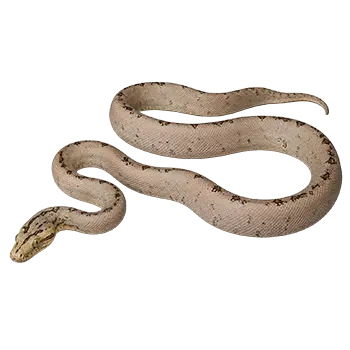

Recognizing when an Amazon Tree Boa is entering the final stage of its life requires attentive observation and a willingness to see changes for what they are rather than what we hope they might be. Terminal decline in snakes can be gradual, unfolding over weeks or months, or it can progress more rapidly depending on the underlying cause. Understanding the common signs of irreversible decline helps keepers distinguish between treatable illness and a natural end-of-life trajectory.
Persistent refusal to eat is one of the most common indicators that an Amazon Tree Boa is nearing the end of its life. While occasional fasting is normal and can be attributed to seasonal cycles, shedding, or environmental stress, a prolonged fast lasting several months in an aging or ill snake that has no identifiable treatable cause is often a sign that the body's systems are shutting down. The snake may show initial interest in prey by tongue-flicking but fail to strike, or it may ignore food entirely.
Progressive loss of muscle tone and body mass that does not respond to feeding or veterinary intervention is another significant indicator. The spine and ribs become increasingly prominent, and the snake's overall body profile takes on a wasted, angular appearance. The skin may appear loose and poorly fitted to the body, and the scales may lose their normal luster. The snake's grip strength weakens noticeably, and it may struggle to maintain its position on perches it once navigated effortlessly.
Behavioral changes associated with terminal decline include prolonged periods of complete inactivity, loss of the normal defensive response, inability to right itself when placed in an awkward position, and a general lack of awareness of or interest in its environment. A snake that was once alert and reactive but now lies motionless and unresponsive to stimulation is communicating through its behavior that something has fundamentally changed. These observations, particularly when combined with other signs, should prompt a serious conversation with your veterinarian about the snake's prognosis and comfort.