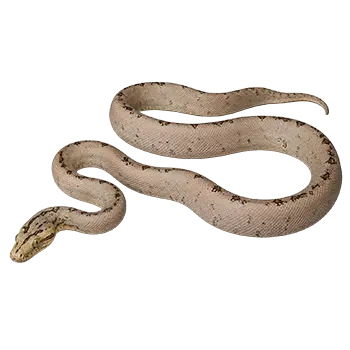

Adult Amazon Tree Boas reach their full size between three and four years of age, with females typically measuring five to seven feet in length and males remaining somewhat smaller at four to six feet. Once growth has stabilized, the focus of care shifts from supporting rapid development to maintaining peak physical condition over the long term. A healthy adult Amazon Tree Boa is a striking animal, displaying vibrant or richly patterned coloration, strong muscle tone, clear eyes, and a consistent feeding response.
Annual veterinary checkups are recommended for adult Amazon Tree Boas, even when the animal appears healthy. A reptile-experienced veterinarian can perform a physical examination, evaluate body condition, check for early signs of common health issues, and run fecal screenings for internal parasites. These routine visits establish a health baseline that makes it much easier to identify problems in their earliest, most treatable stages.
Maintaining stable husbandry parameters becomes somewhat easier with adults, as their larger body mass makes them more resilient to brief temperature or humidity fluctuations than neonates or juveniles. However, this resilience should not lead to complacency. Chronic suboptimal conditions will gradually erode an adult snake's health, often manifesting as suppressed immune function, poor shed quality, reduced appetite, or increased susceptibility to respiratory infections. Consistency in environmental management remains the foundation of long-term health.
Stress management is an often-overlooked aspect of adult care. Sources of chronic stress for captive Amazon Tree Boas include excessive handling, enclosure placement in high-traffic areas, vibrations from nearby electronics or household appliances, and visual exposure to perceived threats such as cats, dogs, or other large animals moving near the enclosure. Reducing or eliminating these stressors contributes directly to immune health, behavioral stability, and overall quality of life.