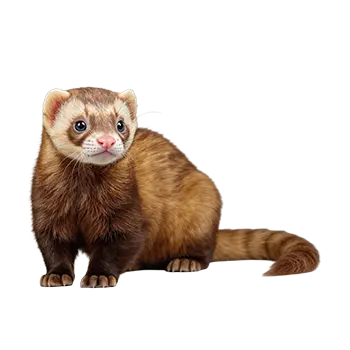

The Transition from Kit to Juvenile

The juvenile period in cinnamon ferrets begins at approximately eight to ten weeks of age, when kits are fully weaned and capable of independent feeding, and extends through roughly six months of age when sexual maturity approaches. This is a period of explosive physical growth, intense exploration, and rapid behavioral development. The cinnamon coat pattern becomes fully established during these months, with the distinctive warm reddish-brown guard hairs deepening in tone and the lighter creamy or golden undercoat becoming clearly visible. The burgundy or dark ruby eyes characteristic of the cinnamon variant are prominent and striking at this age, distinguishing these ferrets from their sable, albino, and champagne counterparts.

Juvenile cinnamon ferrets arrive in their new homes during this window if acquired from a breeder, making it one of the most consequential phases in the human-ferret relationship. The transition from the litter environment to a new household is inherently stressful, even for well-socialized kits. The absence of familiar scents, sounds, and siblings can trigger anxiety-driven behaviors including reduced appetite, excessive sleeping, and reluctance to emerge from hiding spots. These responses are normal and typically resolve within five to ten days as the kit acclimates. New owners should provide a quiet, dimly lit space for the first few days rather than immediately introducing the kit to the entire household, multiple family members, and other pets simultaneously.

Growth during the juvenile phase is remarkable. Ferrets can gain several ounces per week during peak growth spurts between ten and sixteen weeks, with males generally outpacing females in both length and weight. Skeletal development is rapid, and the musculature fills out progressively, transforming the tubular, somewhat gangly juvenile into a sleek, well-proportioned adolescent. The permanent teeth replace the deciduous set between roughly eight and twelve weeks, and owners may notice increased chewing behavior during this period as the adult dentition pushes through the gums. Providing appropriate chew-safe items helps redirect this urge away from furniture, shoes, and electrical cords.

This is also the stage at which the individual personality of each cinnamon ferret becomes distinctly apparent. Some juveniles are bold and relentlessly curious, investigating every corner and crevice of their environment within hours of arrival. Others are more cautious, preferring to observe from a safe hiding spot before venturing out. Neither temperament is inherently better, but understanding and respecting a juvenile ferret's individual comfort level is essential for building trust. Forcing interaction on a shy kit or failing to provide adequate stimulation for a bold one can create behavioral issues that persist into adulthood.

Diet & Nutritional Needs

The nutritional demands of a juvenile cinnamon ferret are substantial, driven by the rapid growth rate and high metabolic activity that define this life stage. Ferrets are obligate carnivores with short digestive tracts that process food quickly, typically in three to four hours from ingestion to elimination. This fast transit time means that juvenile ferrets need access to food at all times rather than being fed on a restricted meal schedule. Free-feeding a high-quality ferret kibble with a minimum protein content of 36 percent and fat content of at least 20 percent, derived primarily from animal sources, forms the foundation of juvenile nutrition.

Not all commercially available ferret foods meet these requirements, and some products marketed for ferrets contain excessive plant-based proteins, grains, or sugars that are poorly suited to mustelid physiology. Reading ingredient labels carefully is essential. The first three ingredients should be identifiable animal proteins such as chicken, turkey, lamb meal, or egg. Ingredients like corn, wheat, soy, pea protein, or any form of sugar indicate a formulation that prioritizes cost savings over species-appropriate nutrition. Some experienced ferret keepers supplement or replace kibble with a raw diet consisting of whole prey items or a balanced mix of raw meat, bone, and organ, though this approach requires careful planning to ensure nutritional completeness and carries food safety considerations that must be addressed.

Supplemental foods play an important role during the juvenile period, particularly in establishing dietary variety that will benefit the ferret throughout its life. Ferrets tend to imprint on foods during their first six months and may refuse unfamiliar items as adults, so introducing a range of acceptable foods now is strategically important. Small amounts of cooked egg, raw or freeze-dried meat treats, and a thin smear of high-quality ferret nutritional paste can all be offered alongside the staple kibble. Fruits, vegetables, dairy products, and any food containing sugar should be strictly avoided, as the ferret's digestive system is not equipped to process plant fiber or simple carbohydrates and these items can cause insulinoma and other serious health conditions over time.

Hydration is equally critical for growing juveniles. Clean, fresh water should be available at all times through both a sipper bottle and an open dish. Some ferrets prefer one method over the other, and providing both ensures adequate intake. Dehydration in juvenile ferrets can develop quickly due to their small body mass and high activity level, and signs include dry gums, skin that tents when gently pinched, and lethargy. During particularly active play periods or in warm environments, water consumption should be monitored to ensure it remains consistent.

Training & Behavioral Development

The juvenile period represents the single most important window for behavioral training in cinnamon ferrets. The neural plasticity of young ferrets makes them highly receptive to learning during these months, and habits established now, both desirable and undesirable, tend to persist into adulthood. Bite inhibition training is arguably the most critical behavioral skill to reinforce during this period. While socialization with littermates typically establishes a baseline level of bite control, the transition to a human household introduces new contexts that require refinement. When a juvenile ferret bites too hard during play, a firm vocal correction such as a sharp hissing sound followed by immediate disengagement teaches the kit that excessive biting ends the interaction.

Litter box training is the second major behavioral priority for juvenile ferrets. Ferrets have a natural tendency to eliminate in corners, which can be leveraged by placing litter boxes in the corners they prefer. Consistency and observation are key during the first few weeks. After waking and after meals are the most common times for elimination, so placing the juvenile in the litter box at these moments and rewarding successful use with a small treat creates a positive association. Accidents will happen, and they should be cleaned with an enzymatic cleaner to remove scent markers that might encourage repeat offenses. Punishment after the fact is ineffective because ferrets do not connect a delayed consequence with a past behavior.

Harness and leash training can begin during the juvenile period for owners who wish to take their cinnamon ferrets on supervised outdoor excursions. A properly fitted H-style harness that the ferret cannot wriggle out of is essential, as ferrets are escape artists with flexible spines and narrow skulls. Initial sessions should take place indoors, allowing the juvenile to wear the harness for increasing durations before attaching the leash. Outdoors, juvenile ferrets should never be placed on the ground in areas where they could encounter parasites, predators, or toxic substances, and they should never be left unattended even for a moment.

Nip training, handling desensitization, and basic recall can all be introduced during the juvenile phase using positive reinforcement. Ferrets respond well to food rewards, and a small dab of salmon oil or a fragment of freeze-dried meat can motivate a juvenile to return when called by name or to tolerate grooming procedures such as nail trimming and ear cleaning. Training sessions should be kept short, no more than five to ten minutes, and should end on a positive note. Juvenile ferrets have limited attention spans and will lose interest rapidly if sessions drag on. The goal is to build a foundation of cooperation and trust that makes veterinary handling, medication administration, and daily care routines manageable for the life of the ferret.

Health Screening & Vaccinations

A comprehensive veterinary examination should be scheduled within the first week of bringing a juvenile cinnamon ferret home, or as soon as possible after weaning if the keeper is also the breeder. This initial visit establishes a health baseline, identifies any congenital issues that may not have been apparent in the neonatal period, and begins the essential vaccination series. Not all veterinarians are experienced with mustelids, so locating an exotic animal practitioner or a vet with specific ferret experience before the kit arrives home is strongly recommended. The initial examination should include a thorough physical assessment covering body condition, dental development, ocular clarity, aural health, heart and lung auscultation, abdominal palpation, and a fecal examination for intestinal parasites.

The canine distemper vaccination is the most critical immunization for juvenile ferrets. Canine distemper virus is nearly 100 percent fatal in ferrets, and there is no effective treatment once clinical signs appear. The initial series typically consists of three doses administered at approximately eight, eleven, and fourteen weeks of age, with annual boosters thereafter. The only distemper vaccine currently approved for use in ferrets in the United States is the recombinant vaccine, as modified live virus vaccines intended for dogs have been associated with vaccine-induced disease in ferrets. Keepers should confirm with their veterinarian that the correct product is being used.

Rabies vaccination is the second essential immunization, generally administered as a single dose at twelve to sixteen weeks of age depending on local regulations. Rabies vaccination is legally required in many jurisdictions, and proof of vaccination may be necessary for licensing, travel, or in the event of a bite incident. As with distemper, only the ferret-approved rabies vaccine should be used. Ferrets can experience vaccine reactions ranging from mild lethargy and localized swelling to rare but serious anaphylactic responses. Many veterinarians recommend observing the ferret in the clinic for thirty to sixty minutes following any vaccination and having diphenhydramine or epinephrine available as a precaution.

Beyond vaccinations, the juvenile period is the appropriate time for spaying or neutering if the ferret has not already been altered by the breeder or supplier. Most pet ferrets sold through large retailers are surgically altered before sale, but those acquired from private breeders may be intact. The decision about when and whether to spay or neuter involves weighing the risks of adrenal disease, which has a complex relationship with early gonadectomy in ferrets, against the risks of leaving the animal intact. Intact jills that are not bred will remain in estrus indefinitely, leading to potentially fatal aplastic anemia from prolonged estrogen exposure. Intact hobs develop strong body odor and can become aggressive during breeding season. A thorough discussion with a knowledgeable ferret veterinarian about the timing and method of sterilization, including the option of chemical desexing implants, is an important part of juvenile health planning.

Housing & Environmental Enrichment

The housing requirements for a juvenile cinnamon ferret center on safety, space, and stimulation. A multi-level wire cage with a minimum footprint of 24 by 24 inches and at least two to three levels connected by ramps or tubes provides the vertical territory that ferrets enjoy. Bar spacing must be narrow enough to prevent escape, generally no wider than one inch, as juvenile ferrets are remarkably flexible and can squeeze through openings that appear impossibly small. The cage floor and levels should be solid rather than wire mesh, which can cause foot injuries and pododermatitis with prolonged contact. Lining the levels with washable fleece or cotton cage liners provides comfortable footing and is easy to maintain.

The cage is a home base, not a full-time residence. Juvenile cinnamon ferrets require a minimum of four hours of supervised out-of-cage playtime daily, and many ferret enthusiasts provide significantly more. The play area must be thoroughly ferret-proofed before each session. This means blocking access to gaps behind appliances, sealing openings under cabinets, removing small objects that could be swallowed, securing electrical cords, and ensuring that no reclining chairs or fold-out sofas are operated while the ferret is loose. Ferrets are burrowing animals that will wedge themselves into any crevice they can find, and their preference for sleeping in dark, enclosed spaces means they often end up inside couch cushions, dresser drawers, or laundry piles. Accidental injuries from sitting on or crushing a hidden ferret are a tragically common occurrence that diligent ferret-proofing can prevent.

Environmental enrichment within the cage should include a variety of items that satisfy the juvenile ferret's instinctive drives to tunnel, dig, explore, and manipulate objects. Fabric tunnels, crinkle sacks, small cardboard boxes, and hanging hammocks are all well-received by most ferrets. Dig boxes filled with dry rice, dried pasta, or biodegradable packing peanuts allow the ferret to express natural digging behaviors in a controlled setting. Hard rubber toys designed for small dogs or cats can be used, but any toy with small detachable parts should be avoided as ferrets are prolific chewers and can ingest fragments that cause gastrointestinal obstruction, one of the most common surgical emergencies in pet ferrets.

The cage should be positioned in a part of the home where the family spends time, so the juvenile ferret remains socially connected even when caged. Isolation in a basement, garage, or spare room leads to under-socialized, anxious ferrets that may develop behavioral problems including self-mutilation, cage bar biting, and excessive vocalization. Temperature regulation in the cage area is also important. Ferrets are highly susceptible to heat stress and cannot tolerate temperatures above 80 degrees Fahrenheit for prolonged periods. The cage should be kept away from direct sunlight and heating vents, and during summer months, ambient temperature should be monitored carefully. Conversely, the area should be free of cold drafts during winter. A stable, moderate environment between 60 and 75 degrees Fahrenheit supports the juvenile ferret's health and comfort as it grows toward adulthood.

Always consult a qualified professional before making any health-related decisions. This content is provided for informational reference only and should not replace professional guidance specific to your animal.