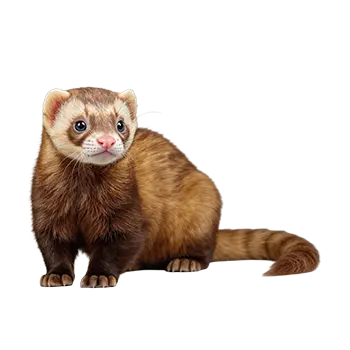

Physical Maturity & Prime Condition

The cinnamon ferret reaches full physical maturity between one and two years of age, entering a prime period that typically extends through approximately four years. During these years the ferret is at peak physical condition, exhibiting the lean musculature, sleek coat, and robust energy levels that characterize a healthy adult mustelid. Adult hobs generally weigh between two and four pounds and measure fourteen to sixteen inches in body length, while jills are noticeably smaller, typically ranging from one and a half to two and a half pounds with slightly shorter frames. The cinnamon coat pattern is at its most vivid during the prime years, with rich reddish-brown guard hairs overlaying a warm golden or creamy undercoat that gives the ferret its distinctive warm-toned appearance.

Seasonal coat changes are a normal feature of adult ferret physiology and can be particularly pronounced in cinnamon ferrets. During autumn, the coat thickens substantially as the winter undercoat grows in, and the overall coloration may deepen or shift slightly in tone. In spring, the heavy winter coat sheds and is replaced by a thinner, sometimes lighter summer coat. These transitions can involve significant shedding over a period of one to three weeks, during which daily brushing with a soft-bristle brush helps remove loose fur and prevents the ferret from ingesting excessive hair during self-grooming. Hairballs, while more commonly associated with cats, can occur in ferrets and cause gastrointestinal obstruction if large quantities of fur are swallowed.

Body condition scoring is a useful tool for monitoring adult ferret health between veterinary visits. A ferret in ideal condition has a smoothly tapered body with ribs that can be felt easily under a thin layer of subcutaneous fat but are not visually prominent. The spine should not be sharply palpable, and there should be a slight covering of fat over the hip bones. Ferrets that are overweight develop a pear-shaped body with excess fat deposits along the flanks and a thickened tail base, while underweight ferrets have prominently visible ribs, hip bones, and spinal processes. Weight fluctuations of up to 30 percent between summer and winter are normal in ferrets and reflect the natural seasonal fat cycling driven by photoperiod changes, so a ferret that appears lean in summer and heavier in winter is not necessarily gaining or losing unhealthy amounts of weight.

The cinnamon ferret's eyes, which range from a deep burgundy to a warm ruby red, should remain clear and bright throughout the adult years. Clouding, discharge, or changes in pupil symmetry warrant veterinary evaluation. The teeth should be white to slightly yellowish, with no tartar buildup along the gum line and no broken or missing teeth. Dental disease is common in adult ferrets and can lead to pain, reduced appetite, and secondary infections if left untreated. Annual dental assessments as part of the routine veterinary examination help catch problems early.

Diet & Weight Management

Adult cinnamon ferrets thrive on a diet that mirrors the nutritional profile they require as obligate carnivores: high in animal-based protein, moderate to high in fat, and minimal in carbohydrates and fiber. The dietary foundation established during the juvenile period should continue, with a premium ferret kibble containing at least 36 percent protein and 18 to 20 percent fat from identifiable animal sources remaining available at all times. Free-feeding is the standard approach for adult ferrets because their rapid digestive transit time of three to four hours means they eat multiple small meals throughout the day and night rather than consuming large volumes at set intervals.

Weight management during the adult years requires attentive observation rather than caloric restriction. Ferrets that are maintaining a healthy body condition on a species-appropriate diet rarely become genuinely obese; apparent weight gain is more often attributable to normal seasonal cycling or, in some cases, to underlying endocrine conditions such as adrenal disease or insulinoma that alter fat distribution and metabolism. Conversely, unexplained weight loss in an adult ferret that has not changed its eating habits is a significant clinical sign that should prompt immediate veterinary evaluation. Conditions including lymphoma, inflammatory bowel disease, gastrointestinal foreign bodies, and dental disease can all present with gradual weight loss as an early indicator.

Treats and supplemental foods should constitute no more than ten percent of the adult ferret's total caloric intake. Suitable treats include small pieces of cooked or raw meat, freeze-dried meat treats formulated for carnivores, raw egg yolk offered once or twice a week, and a thin smear of high-quality salmon oil. Ferret-specific nutritional pastes can be useful both as treats and as a vehicle for administering oral medications, though they should be used sparingly due to their sugar content in some formulations. Foods to avoid entirely include all fruits, vegetables, grains, dairy products, chocolate, caffeine, and anything containing xylitol or artificial sweeteners. The ferret's pancreas is poorly equipped to handle dietary sugars, and chronic exposure to carbohydrate-rich foods is strongly implicated in the development of insulinoma, one of the most common and serious diseases affecting domestic ferrets.

Fresh water must be available continuously through both a bottle and a bowl. Some adult ferrets develop a preference for one delivery method and may refuse the other, so providing both ensures that water intake remains adequate. Water bowls should be heavy enough to resist tipping, as many ferrets enjoy splashing and digging in their water dishes. While this behavior is entertaining, it can leave the ferret without a water source if the bowl is overturned. Stainless steel or ceramic crocks attached to the cage wall are a practical solution.

Exercise & Mental Stimulation

Adult cinnamon ferrets are energetic, intelligent animals that require substantial daily exercise and mental engagement to remain physically fit and psychologically healthy. A minimum of four hours of supervised out-of-cage time per day is generally recommended, though many experienced keepers provide six or more hours. Ferrets follow a crepuscular activity pattern, being most active during the hours around dawn and dusk, though they readily adjust to their household's schedule and will engage enthusiastically in play whenever their owners are available. Activity comes in intense bursts interspersed with deep sleep, and it is not unusual for an adult ferret to play vigorously for thirty to sixty minutes and then collapse into a profound nap lasting several hours.

Play sessions should incorporate a variety of activities that engage the ferret's natural behavioral drives: hunting, chasing, tunneling, climbing, and problem-solving. Interactive toys that mimic prey movement, such as feather wands dragged along the floor or small plush toys flicked across a smooth surface, trigger the predatory chase-and-pounce sequence. Tunnel systems, whether commercially manufactured fabric tubes or simply lengths of flexible dryer vent hose, satisfy the burrowing instinct. Cardboard boxes with holes cut in the sides create instant exploration challenges, and rotating the available toys every few days prevents habituation and keeps the environment mentally stimulating.

Ferret-proofing the play area is not a one-time task but an ongoing responsibility that must be reassessed regularly. Adult cinnamon ferrets are stronger and more determined than juveniles, capable of pushing aside barriers, prying open cabinet doors, and squeezing through gaps that were secure six months ago. Electrical cords should be enclosed in protective conduit or coated with bitter deterrent spray. Houseplants should be removed from any area the ferret can access, as many common species are toxic to mustelids. Foam rubber, latex, and soft silicone items are particularly dangerous because ferrets chew and swallow these materials compulsively, leading to gastrointestinal blockages that require emergency surgery. Regular sweeps of the play area for small objects such as rubber bands, buttons, pen caps, and earbuds protect against these entirely preventable emergencies.

Mental enrichment extends beyond physical play. Puzzle feeders that require the ferret to manipulate levers, slide doors, or dig through layers to access a treat reward provide cognitive stimulation. Scent games, in which a drop of salmon oil is hidden under one of several cups and the ferret must locate it by smell, tap into the species' acute olfactory abilities. Some ferrets can be taught simple tricks such as spinning on command, rolling over, or navigating a miniature obstacle course, using clicker training methodology adapted from dog training. These training sessions not only exercise the mind but also deepen the bond between the ferret and its keeper, creating a relationship based on mutual engagement and positive association.

Routine Veterinary Care

Annual veterinary examinations are the cornerstone of preventive health care for adult cinnamon ferrets. Given the compressed lifespan of domestic ferrets relative to dogs and cats, and the high incidence of serious diseases that can develop without obvious early symptoms, yearly wellness checks serve as a critical detection mechanism. The standard adult examination should include a thorough physical assessment covering body weight, body condition, coat and skin quality, dental evaluation, ocular and aural examination, heart and lung auscultation, abdominal palpation, lymph node assessment, and a check of the feet and nails. Many ferret-experienced veterinarians also run a basic blood panel including a complete blood count and a blood glucose level at each annual visit, particularly once the ferret passes the age of two.

Vaccination boosters are administered annually during the wellness visit. The canine distemper vaccine and the rabies vaccine each require yearly boosters to maintain protective immunity. As with juvenile vaccinations, only ferret-approved recombinant distemper vaccine and ferret-labeled rabies vaccine should be used. Vaccine reactions, while uncommon, can range from mild lethargy and reduced appetite for 24 to 48 hours to rare anaphylactic events. Experienced ferret veterinarians typically pre-treat with an antihistamine prior to vaccination and monitor the patient in the clinic for at least thirty minutes after the injection. Splitting the distemper and rabies vaccinations into separate appointments two to three weeks apart reduces the cumulative immune challenge and makes it easier to identify which vaccine caused a reaction if one occurs.

Parasite prevention is a component of adult ferret health that is sometimes overlooked by owners who keep their ferrets exclusively indoors. While indoor ferrets have a lower risk of contracting external parasites such as fleas and ear mites compared to outdoor animals, exposure can still occur through contact with dogs, cats, or other household pets that go outside. Routine ear checks should be performed monthly, looking for the dark, waxy debris characteristic of ear mite infestation. Flea prevention may be advisable in multi-pet households and should be discussed with the veterinarian, as only specific flea control products are safe for ferrets. Intestinal parasites are uncommon in indoor ferrets but a fecal examination should be included if the ferret shows signs of gastrointestinal upset.

The diseases most commonly affecting adult domestic ferrets include adrenal gland disease, insulinoma, lymphoma, and gastrointestinal foreign body obstruction. Awareness of the early signs of these conditions empowers owners to seek veterinary attention promptly, which can significantly improve outcomes. Adrenal disease may present with progressive hair loss beginning at the tail base and extending forward, vulvar swelling in spayed jills, or increased aggression in neutered hobs. Insulinoma causes episodes of hypoglycemia with symptoms including pawing at the mouth, glassy-eyed staring, hind-limb weakness, and in severe cases, seizures. Lymphoma can affect virtually any organ system but commonly presents with enlarged peripheral lymph nodes, chronic weight loss, or respiratory difficulty. Owners who notice any of these changes should not adopt a wait-and-see approach but should schedule a veterinary evaluation without delay.

Social Dynamics & Companionship

Cinnamon ferrets, like all domestic ferrets, are deeply social animals that benefit enormously from regular interaction with both humans and other ferrets. While a single ferret can thrive with sufficient human attention and enrichment, many ferret owners find that keeping two or more ferrets together results in happier, more behaviorally balanced animals. Ferrets housed in pairs or small groups engage in mutual grooming, communal sleeping, and extended bouts of play-wrestling that satisfy social needs in ways that human interaction alone cannot fully replicate. The decision to add a second ferret should be made thoughtfully, taking into account the existing ferret's temperament, the size of the living space, and the owner's capacity to manage additional veterinary costs.

Introductions between adult ferrets require patience and a structured approach. Simply placing a new ferret into an established ferret's cage is likely to provoke territorial aggression. A gradual introduction protocol involves housing the ferrets in separate cages placed within sight and scent range of each other for several days, then allowing supervised play sessions in a neutral area that neither ferret has claimed as its territory. Hissing, puffed tails, and brief scuffles during early interactions are normal dominance negotiations and do not indicate a failed introduction. Persistent aggression involving locked-jaw biting, violent shaking, or blood-drawing attacks requires immediate separation and a slower reintroduction timeline. Most adult ferrets will establish a workable social hierarchy within one to three weeks.

The bond between a cinnamon ferret and its human companions deepens during the adult years as routines become established and the ferret's personality fully matures. Adult ferrets are remarkably attuned to their owners' schedules and will anticipate feeding times, play sessions, and even the sound of the front door signaling a familiar person's return. They recognize individual family members by scent and voice and often develop clear preferences for certain people. This attachment is reciprocal; the daily interactions involved in feeding, grooming, playing with, and simply coexisting with a ferret create a bond that many owners describe as comparable in depth, though different in character, to the bond with a dog or cat.

Social deprivation is a genuine welfare concern for adult ferrets that should not be underestimated. Ferrets that spend excessive time alone in their cages without interaction or stimulation can develop stereotypic behaviors including repetitive cage bar biting, excessive self-grooming to the point of hair loss, and lethargic withdrawal from activity even when released for playtime. These behavioral changes are indicators of chronic stress and should be addressed by increasing social interaction, adding environmental enrichment, and in some cases, introducing a compatible companion ferret. Owners whose work schedules prevent them from providing adequate daily interaction should seriously consider either arranging for a pet sitter, enrolling in a ferret-experienced daycare program if available, or adopting a second ferret to provide companionship during the owner's absence.

Always consult a qualified professional before making any health-related decisions. This content is provided for informational reference only and should not replace professional guidance specific to your animal.