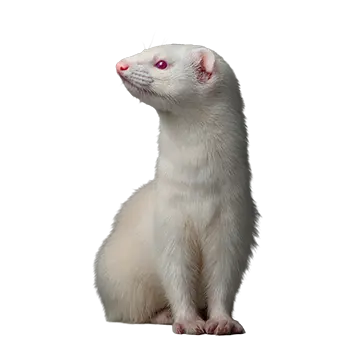

Physical Maturity and Body Condition

An albino ferret reaches full physical maturity between one and one and a half years of age, at which point its skeletal growth is complete and its adult body composition is established. Adult hobs typically weigh between two and four pounds, while jills range from one and a half to two and a half pounds, though individual variation exists depending on genetics, diet, and neuter status. Neutered ferrets of both sexes tend to carry slightly more body fat than their intact counterparts due to the metabolic effects of gonadal hormone removal. The ideal body condition for an adult albino ferret features a smooth, muscular body with ribs that are palpable but not prominently visible, a slight tuck at the waist when viewed from above, and a firm, well-covered spine.

Assessing body condition in albino ferrets is somewhat easier than in pigmented varieties because the white coat and pink skin allow subcutaneous fat deposits to be visualized as well as palpated. An overweight ferret will develop a noticeable fat pad across the shoulders and hips, and the waist tuck will disappear or become convex. An underweight ferret will display prominent ribs, hip bones, and vertebral processes, and the skin may appear loose or tented over the frame. Seasonal weight fluctuations of up to thirty percent are normal in ferrets and reflect an ancestral adaptation to periods of abundance and scarcity. Most domestic ferrets gain weight in the autumn and shed it in the spring, and keepers should account for this natural cycle when evaluating body condition rather than assuming any weight gain indicates overfeeding.

The adult albino ferret's coat undergoes seasonal molts, typically in spring and autumn, during which the old coat is shed and replaced by new growth. During these periods, the ferret may appear somewhat scruffy and loose fur will accumulate on bedding and clothing. Increased grooming by the ferret itself, combined with regular brushing by the keeper, helps facilitate the molt and reduces the risk of hairball formation in the gastrointestinal tract. Ferrets that ingest large quantities of loose fur can develop trichobezoars that may cause partial or complete intestinal obstruction, a surgical emergency. A small amount of a petroleum-based hairball remedy or a ferret-specific laxative paste administered two to three times per week during heavy shedding periods helps move ingested fur through the digestive tract.

Muscle tone and physical fitness are maintained through regular exercise and play. An adult albino ferret in peak condition moves with fluid, confident agility, exhibits strong grip when climbing, and maintains sustained energy during play sessions. Loss of muscle mass, reduced willingness to play, or difficulty with movements that were previously effortless can signal underlying health issues such as insulinoma, adrenal disease, or cardiovascular problems, all of which are common in domestic ferrets and should prompt a veterinary evaluation. The keeper's familiarity with the individual ferret's normal physical baseline is invaluable for detecting subtle changes early.

Adult Nutrition and Dietary Management

Nutrition during the adult years forms the foundation of long-term health in albino ferrets. As obligate carnivores, ferrets require a diet dominated by animal-based protein and fat, with minimal carbohydrate content. The ideal adult maintenance diet contains 34 to 38 percent crude protein derived from identifiable animal sources such as chicken, turkey, lamb, or egg, and 18 to 22 percent crude fat. Fiber content should remain below four percent, and carbohydrate content, though not always listed on commercial food labels, should be as low as possible. Ferrets lack a functional cecum and have a short gastrointestinal transit time of approximately three to four hours, which severely limits their ability to extract nutrition from plant-based ingredients.

High-quality commercial ferret kibble serves as the dietary staple for most pet albino ferrets and offers the convenience of nutritional completeness in a shelf-stable form. However, not all commercially available ferret foods meet the nutritional standards that support optimal health. Keepers should scrutinize ingredient panels and avoid products that feature corn, wheat, soy, peas, or other plant proteins among the primary ingredients. These fillers increase the carbohydrate load of the diet and have been implicated by some researchers in the high incidence of insulinoma observed in domestic ferrets, though the exact causative mechanism remains a subject of ongoing debate in the veterinary literature.

Supplemental feeding with whole prey, raw meat, or high-quality freeze-dried raw diets provides nutritional variety and enrichment that kibble alone cannot offer. Appropriate options include whole mice, day-old chicks, raw chicken wings or necks with bone, and commercially prepared raw ferret diets. If raw feeding is incorporated, it should be introduced gradually and handled with appropriate food safety practices to minimize the risk of bacterial contamination. Raw diets should not constitute the entirety of the ferret's nutrition unless they have been professionally formulated to ensure completeness, as ad hoc raw feeding frequently results in nutritional imbalances, particularly in calcium, taurine, and certain vitamins.

Treats should be offered sparingly and chosen carefully. Appropriate treats include small amounts of cooked egg, freeze-dried meat treats, and salmon oil, which also provides beneficial omega fatty acids that support coat health. Fruits, vegetables, dairy products, and sugary or starchy snacks should be avoided entirely. Ferrets often develop strong preferences for particular foods early in life and may resist dietary changes in adulthood, so exposing the ferret to a variety of acceptable foods during the juvenile period pays dividends during the adult years. Fresh, clean water must be available at all times, and many keepers provide both a bottle and a bowl to ensure the ferret can drink in its preferred manner.

Exercise, Enrichment, and Mental Stimulation

Adult albino ferrets are energetic, intelligent animals that require substantial daily enrichment to maintain physical fitness and psychological well-being. A minimum of three to four hours of supervised out-of-cage time each day is the standard recommendation for domestic ferrets, and many experienced keepers provide significantly more. During these free-roam periods, the ferret should have access to a thoroughly ferret-proofed area where it can run, explore, dig, tunnel, and play without encountering hazards such as exposed wiring, toxic houseplants, open toilet lids, reclining chairs, or gaps that lead to wall voids or exterior spaces.

The ferret's natural behavioral repertoire includes digging, tunneling, caching food and small objects, wrestling with companions, and investigating novel items. An effective enrichment program caters to all of these instincts. Dig boxes filled with rice, dried pasta, or biodegradable packing peanuts provide an outlet for the digging urge without the mess of soil. Flexible play tunnels, crinkle sacks, and hammocks encourage the tunneling and hiding behaviors that ferrets find deeply satisfying. Puzzle feeders that require the ferret to manipulate a mechanism to access a treat engage problem-solving skills and slow down food consumption. Rotating enrichment items on a weekly basis prevents habituation and maintains the novelty that drives exploration.

Interactive play between the ferret and its human companions is an irreplaceable component of daily enrichment. Games of chase, gentle wrestling with a gloved hand, and dragging a toy on a string across the floor stimulate the ferret's predatory instincts and provide vigorous cardiovascular exercise. The characteristic ferret war dance, involving arched-back hopping, sideways scuttling, and open-mouthed grinning, is a display of excitement and joy that typically accompanies peak play sessions. Albino ferrets may be somewhat less visually acute than pigmented varieties due to the effects of albinism on retinal development, so play items that incorporate sound or scent cues in addition to visual movement tend to be particularly engaging for them.

The enclosure itself should be viewed as a living space rather than a storage container. Multi-level ferret cages with ramps, platforms, hammocks at various heights, and attached sleeping pouches provide vertical enrichment and allow the ferret to choose from different resting spots based on its mood and the ambient temperature. Bedding should be soft, washable fleece or cotton, changed at least twice weekly to manage odor and maintain hygiene. Litter boxes should be secured in the corners the ferret prefers and cleaned daily. An environment that meets the ferret's physical and psychological needs reduces stress-related behaviors such as bar chewing, excessive sleeping, repetitive pacing, and self-directed overgrooming.

Preventive Health Care and Routine Veterinary Visits

Adult albino ferrets should receive a comprehensive veterinary examination at least once annually, with twice-yearly visits becoming advisable as the ferret enters middle age around three to four years. The annual wellness exam should include a thorough physical examination, body weight measurement, dental assessment, and discussion of any behavioral or physical changes the keeper has observed. Blood glucose testing is particularly important in ferrets over two years of age, as insulinoma, a tumor of the insulin-secreting beta cells of the pancreas, is one of the most common neoplastic diseases in domestic ferrets and early detection significantly improves management outcomes.

Adrenal gland disease is the second major health concern in adult domestic ferrets and is especially prevalent in animals that were neutered at a young age, which includes the majority of pet ferrets in North America. The condition results from hyperplasia or neoplasia of the adrenal cortex and produces a characteristic constellation of clinical signs including bilateral symmetric hair loss beginning at the tail and progressing forward, return of sexual behaviors in neutered animals, vulvar swelling in spayed jills, and prostatic enlargement in neutered hobs that can cause urinary obstruction. Keepers should report any of these signs to their veterinarian promptly, as early intervention with medical management using deslorelin acetate implants or surgical adrenalectomy can control the disease effectively for extended periods.

Vaccination boosters for canine distemper and rabies are administered annually or as directed by the veterinarian based on the specific vaccine products used and local regulatory requirements. Ferrets can experience vaccine reactions, and the keeper should monitor the ferret closely for several hours following any vaccination. Signs of a reaction include lethargy, vomiting, diarrhea, facial swelling, and in severe cases, respiratory distress or collapse. Anaphylactic reactions, while uncommon, are a recognized risk in ferrets, and veterinary clinics that regularly treat ferrets typically keep epinephrine and supportive care supplies readily available during vaccination appointments.

Parasite prevention in adult ferrets includes monthly heartworm prophylaxis in regions where heartworm disease is transmitted by mosquitoes. Ferrets are susceptible to Dirofilaria immitis infection, and even a small worm burden can be fatal in an animal with such a small heart. Ivermectin-based or selamectin-based preventives approved for ferret use are administered monthly during mosquito season or year-round depending on geographic location. Flea prevention may also be warranted, particularly in multi-pet households. External and internal parasite screening should be included as part of the annual veterinary visit.

Dental health monitoring throughout the adult years helps prevent the gradual accumulation of tartar and the development of periodontal disease, which can lead to pain, tooth loss, and secondary bacterial infections affecting the heart, kidneys, and liver. Adult ferrets should have their teeth examined at each veterinary visit, and professional dental cleaning under anesthesia may be recommended if significant tartar buildup is detected. At home, offering raw meaty bones such as chicken necks provides a natural mechanical cleaning action, though this should always be done under supervision to prevent choking on bone fragments.

Behavioral Patterns and Social Dynamics

Adult albino ferrets exhibit a distinctive behavioral repertoire shaped by their mustelid heritage and their long history of domestication. Their activity pattern is crepuscular, with peak energy concentrated in the early morning and late evening hours. Between these active periods, adult ferrets sleep deeply and extensively, averaging fourteen to eighteen hours per day. This extreme sleep requirement is normal for the species and should not be mistaken for lethargy or illness. A healthy adult ferret transitions rapidly between deep sleep and explosive, hyperactive wakefulness, and the contrast between these two states is one of the most striking and endearing characteristics of ferret ownership.

Social dynamics within a group of ferrets are complex and fascinating. Ferrets establish a loose dominance hierarchy that is reinforced through ritualized behaviors including neck biting, pinning, dragging, and the occasional vigorous wrestling match. These interactions can appear alarming to inexperienced keepers, but as long as neither animal is drawing blood, screaming in sustained distress, or losing weight due to stress, the behavior falls within normal social parameters. Albino ferrets integrate into social groups as readily as pigmented varieties, and there is no evidence that coat color affects social standing or acceptance within a ferret group.

Scent plays a central role in ferret communication and territorial behavior. Ferrets possess anal scent glands that produce a pungent, musky secretion, and while most pet ferrets in North America are de-scented at the time of neutering, the skin itself produces a persistent baseline odor from sebaceous glands distributed across the body. This odor is more pronounced in intact animals and during the breeding season but remains detectable in neutered, de-scented ferrets as well. Regular cage cleaning, bedding changes, and occasional bathing help manage the odor, but prospective owners should understand that a degree of musky scent is inherent to the species and cannot be entirely eliminated.

Adult ferrets communicate through a range of vocalizations and body language cues. The soft clucking sound known as dooking indicates contentment and excitement and is most frequently heard during play. Hissing signals annoyance or fear, while screaming, a loud and unmistakable vocalization, indicates pain or extreme distress and should prompt immediate investigation. A ferret that wags its tail is typically excited or agitated, and the characteristic war dance, combining arched-back hopping, sideways movement, and an open-mouthed grin, is an invitation to play. Learning to read these signals allows the keeper to respond appropriately to the ferret's emotional state and to intervene when a situation is escalating from play to genuine conflict.

Always consult a qualified professional before making any health-related decisions. This content is provided for informational reference only and should not replace professional guidance specific to your animal.