
Growth & Physical Development

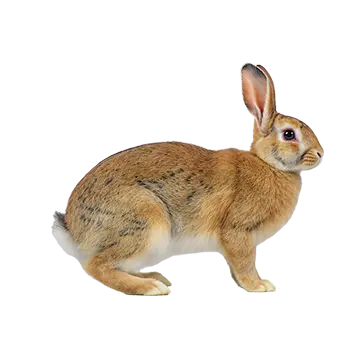
The Belgian Hare's juvenile stage begins at weaning, typically around six to eight weeks of age, and extends through roughly six months as the rabbit approaches its adult size and frame. During this period, Belgian Hares undergo dramatic physical changes, transforming from compact, round kits into the lean, racy-bodied rabbits that distinguish this breed from all others. Their growth rate is rapid, and you can expect noticeable changes in body length, ear size, and muscle definition from week to week.

The breed's signature long, fine-boned frame becomes increasingly apparent during the juvenile months. Belgian Hares develop their characteristic arched back, long hind legs, and upright carriage earlier than many rabbit breeds reach structural maturity. By three to four months, the young rabbit's body type should clearly reflect the breed's hare-like silhouette, though full muscular development and refinement will continue for several more months. Weight gain should be steady but not excessive, as this breed should remain lean and athletic rather than heavy.

Monitor growth by weighing your juvenile Belgian Hare weekly and tracking the results. A healthy growth curve shows consistent upward progress without sudden stalls or dramatic spikes. Males typically grow slightly larger than females and may take longer to reach their full adult weight of six to nine pounds. If growth appears to plateau prematurely or the rabbit seems underweight relative to its frame, a dietary review and veterinary consultation are warranted.

The juvenile coat will go through one or more molts during this period as the soft baby fur is replaced by the dense, glossy adult coat. The rich chestnut-rufous color that defines the Belgian Hare deepens over time, and the distinctive ticking pattern becomes more pronounced with each successive coat. These molts can be messy and may temporarily leave the rabbit looking scruffy, but this is entirely normal and no cause for concern.

Nutrition & Diet Transition

The transition from mother's milk to solid food is a critical period that requires careful management to protect the young Belgian Hare's delicate digestive system. During the weaning process, kits should already be eating hay and some pellets alongside nursing. Once fully weaned, unlimited timothy hay should form the foundation of the diet, as the long fiber is essential for proper gut motility and dental health. Young Belgian Hares under six months may also benefit from some alfalfa hay, which provides additional calcium and protein to support rapid bone growth.

Pellets should be high-quality, plain timothy-based pellets without added seeds, dried fruit, or colorful additives. Juvenile Belgian Hares can be offered pellets more liberally than adults — approximately one-quarter cup per five pounds of body weight daily — as they need the concentrated nutrition to fuel their growth. As the rabbit approaches six months of age, begin gradually reducing pellet portions to the more conservative adult allotment to prevent obesity and maintain the lean body condition this breed requires.

Fresh vegetables can be introduced slowly starting around twelve weeks of age. Begin with a single type of leafy green, such as romaine lettuce or cilantro, in small quantities. Wait several days before introducing a second variety, watching for any signs of digestive upset including soft stools or decreased appetite. Over time, build a rotation of safe vegetables including parsley, basil, dandelion greens, and various lettuces. Avoid gas-producing vegetables like broccoli and cabbage during the juvenile period, as young digestive systems are more susceptible to bloat.

Fresh, clean water must be available at all times. Many breeders prefer water bottles to prevent contamination, though some rabbits drink more readily from a heavy ceramic crock. Whichever method you choose, check and refill water sources at least twice daily. Dehydration in a growing rabbit can quickly lead to dangerous digestive slowdowns, and Belgian Hares with their active metabolisms are particularly dependent on consistent hydration.

Behavioral Changes

The juvenile period brings dramatic behavioral shifts as Belgian Hare hormones surge and adult instincts begin to emerge. Around three to four months of age, previously docile and easygoing kits may suddenly become territorial, nippy, or unpredictable. Unneutered males often begin spraying urine to mark territory, chin-rubbing everything in sight, and circling the feet of their caregivers in courtship displays. Females may become protective of their space and exhibit nesting behaviors even without being bred.

Belgian Hares are already a high-energy, alert breed, and adolescence amplifies these traits considerably. Expect increased activity levels, sudden bursts of speed and binkying, and a strong desire to explore and investigate every corner of their environment. This energy is entirely normal and healthy but does require adequate space and enrichment to prevent destructive behaviors. A bored adolescent Belgian Hare will chew baseboards, dig at carpeting, and may become increasingly agitated or aggressive without proper outlets.

Social dynamics also shift during this phase. Littermates that coexisted peacefully as young kits may begin fighting as hormones rise, particularly same-sex pairs. Mounting, chasing, and fur-pulling are common signs that adolescent rabbits need to be separated before serious injuries occur. Belgian Hares can be especially intense in their territorial disputes, and their lean, powerful build means fights can escalate quickly. Separation is usually necessary by four months for same-sex pairs unless both rabbits have been spayed or neutered.

Patience is essential during this sometimes trying stage. The behavioral challenges of adolescence are temporary and will moderate significantly after spaying or neutering and as the rabbit matures. Avoid punishing unwanted behaviors, as rabbits do not respond to punishment and it will only damage the trust you have built. Instead, redirect energy toward appropriate activities and maintain consistent, gentle handling to reinforce the bond between you and your Belgian Hare.

Training & Handling

Belgian Hares are intelligent and responsive rabbits that can learn a variety of commands and routines, making the juvenile period an ideal time to establish training foundations. Litter training is often the first priority, and most Belgian Hares take to it readily. Place a litter box in the corner of the enclosure where the rabbit naturally tends to eliminate, fill it with rabbit-safe litter such as paper-based bedding or hay, and praise the rabbit when it uses the box. Adolescent hormonal marking can temporarily set back litter training, but consistency and spaying or neutering typically resolve this.

Handling practice is particularly important for Belgian Hares because of their nervous temperament and powerful hind legs. Teach your juvenile rabbit to accept being picked up by practicing daily, using a secure hold that supports the hindquarters and prevents the rabbit from kicking free. A Belgian Hare that panics and kicks while being held can fracture its own spine, making safe handling skills a genuine safety issue rather than merely a convenience. Work at the rabbit's pace, using treats and calm reassurance to build positive associations with being held.

Many Belgian Hares can learn to come when called, respond to their names, and even navigate simple obstacle courses or agility setups. Use small pieces of safe treats — a tiny fragment of banana or a single blueberry — as positive reinforcement. Training sessions should be short, no more than five to ten minutes, and always end on a positive note. The Belgian Hare's active mind benefits greatly from this mental stimulation, and trained rabbits tend to be calmer and more confident than those who receive no structured interaction.

Establish routines early, as rabbits are creatures of habit and Belgian Hares in particular thrive on predictability. Feeding at consistent times, maintaining a regular schedule for exercise and free-roaming time, and handling the rabbit at roughly the same times each day will help your juvenile Belgian Hare feel secure and reduce anxiety-driven behaviors.

Exercise & Activity

The Belgian Hare is one of the most athletic rabbit breeds, and juvenile Belgian Hares have energy to match. Adequate exercise is not optional for this breed — it is a fundamental requirement for both physical health and mental wellbeing. A young Belgian Hare that is confined to a small cage without regular exercise time will develop muscle wasting, obesity, behavioral problems, and potentially skeletal issues from lack of weight-bearing activity during the critical growth phase.

Provide a minimum of three to four hours of supervised free-roaming time daily in a rabbit-proofed area. Belgian Hares are natural runners and jumpers, and they need enough space to reach full speed, which is considerably faster than most pet rabbit breeds. A long hallway, a large room, or a secure outdoor exercise pen all work well. Ensure the area is thoroughly rabbit-proofed by covering or removing electrical cords, blocking access to toxic plants, and preventing escape routes — Belgian Hares are remarkably agile and can clear surprising heights.

Enrichment items add variety and mental stimulation to exercise time. Tunnels, platforms at varying heights, digging boxes filled with shredded paper, and treat-dispensing puzzle toys all engage the Belgian Hare's active intelligence. Rotate enrichment items regularly to prevent boredom. Cardboard boxes with entry and exit holes cut into them make inexpensive and popular play structures that can be replaced as they are chewed and destroyed.

Watch for signs that your juvenile Belgian Hare is not getting enough exercise, including excessive chewing, thumping, cage aggression, and repetitive behaviors like bar-biting or corner-digging. These are stress signals that indicate the rabbit's physical and mental needs are not being met. Increasing exercise time, expanding the available space, and adding more enrichment opportunities will typically resolve these behaviors within days.

Spay & Neuter Considerations

Spaying or neutering your Belgian Hare is one of the most important health and behavioral decisions you will make during the juvenile period. For females, spaying eliminates the risk of uterine cancer, which affects an alarmingly high percentage of unspayed female rabbits over the age of four. For males, neutering reduces territorial aggression, spraying, and mounting behaviors that can make an adolescent Belgian Hare difficult to live with. Both procedures also make it possible to house rabbits in bonded pairs or groups, which benefits their social wellbeing.

The timing of spay and neuter surgery depends on the individual rabbit's development and your veterinarian's recommendation. Males can often be neutered once the testicles have descended, typically around three to four months of age. Females are generally spayed between four and six months. Belgian Hares, with their lean build and sometimes reactive temperament, should be evaluated individually by a veterinarian experienced in rabbit surgery, as anesthetic protocols and surgical approaches may need to be adjusted for this breed's physiology.

Post-surgical care requires careful attention for several days. Provide a clean, quiet recovery area with soft bedding and easy access to food and water. Monitor the incision site for swelling, redness, or discharge, and prevent the rabbit from chewing at the stitches — an Elizabethan collar designed for rabbits may be necessary. Most Belgian Hares recover quickly and return to normal activity within a week, though full hormonal changes may take four to six weeks to stabilize, particularly in males.

If you choose not to spay or neuter, be prepared for the ongoing behavioral and health management challenges that intact rabbits present. Unspayed females will experience hormonal cycles that can cause mood swings, false pregnancies, and territorial aggression. Intact males will continue to spray, and housing intact rabbits of opposite sexes together will result in rapid, uncontrolled breeding. Responsible ownership strongly favors spaying and neutering for any Belgian Hare not part of a deliberate, ethical breeding program.

Socialization & Exposure

Continued socialization during the juvenile period builds on the foundation laid during the newborn weeks and is essential for developing a well-adjusted adult Belgian Hare. This breed's naturally cautious and reactive temperament means that rabbits who miss critical socialization windows may become permanently fearful or aggressive toward unfamiliar people, animals, or environments. The effort invested during the juvenile months pays dividends for the remainder of the rabbit's life.

Introduce your juvenile Belgian Hare to a variety of people in calm, controlled settings. Different ages, voices, and appearances help the rabbit learn that humans in general are safe, not just the one or two people it sees daily. Have visitors sit on the floor and allow the rabbit to approach at its own pace, offering a treat as a reward for bravery. Avoid forcing interactions or allowing anyone to chase or grab the rabbit, as a single frightening experience can undo weeks of trust-building with this sensitive breed.

Exposure to household stimuli is equally important. Gradually introduce the rabbit to common sounds such as the vacuum cleaner, television, doorbell, and kitchen noises. Start at a distance with the sound at low volume and work closer over time as the rabbit demonstrates comfort. Belgian Hares may always startle at sudden loud sounds — this is part of their alert nature — but a well-socialized rabbit will recover quickly rather than remaining in a state of prolonged fear.

If you plan to bond your Belgian Hare with another rabbit, the juvenile period is often the easiest time to begin introductions, particularly if both rabbits have been spayed or neutered. Bonding should always be conducted in neutral territory that neither rabbit considers its own, and initial sessions should be brief and closely supervised. Belgian Hares can be more challenging to bond than mellower breeds due to their intensity, but successful pairs often form exceptionally strong attachments. Patience, multiple short sessions, and a willingness to move slowly are the keys to a successful bonding process.

Always consult a qualified professional before making any health-related decisions. This content is provided for informational reference only and should not replace professional guidance specific to your animal.