
Peak Health Maintenance

The adult Belgian Hare, typically from one year through five or six years of age, is at its physical peak — lean, muscular, and brimming with the athletic energy that makes this breed so distinctive. Maintaining that peak condition requires consistent attention to the fundamentals of rabbit care combined with an understanding of the Belgian Hare's specific needs. Regular health monitoring at home forms the first line of defense against illness, and you should be conducting brief daily assessments of your rabbit's behavior, appetite, droppings, and general demeanor.

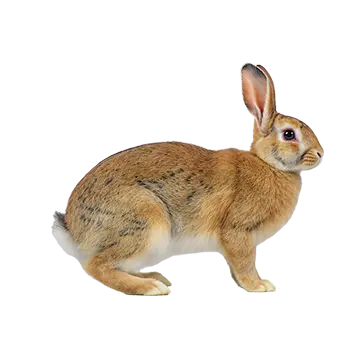
A healthy adult Belgian Hare should have bright, clear eyes, clean ears free of discharge or crusty buildup, and a glossy, rich-colored coat that lies smoothly against the body. The body should feel lean and muscular when handled, with ribs palpable beneath a thin layer of flesh but not visibly protruding. Belgian Hares that become overweight lose their breed-defining silhouette and face increased risks of sore hocks, joint strain, and hepatic lipidosis. Conversely, an underweight Belgian Hare with a prominent spine and hip bones may be dealing with dental issues, parasites, or underlying disease.

Establish a relationship with a veterinarian experienced in rabbit medicine and schedule wellness examinations at least once per year. These visits should include a thorough physical examination, dental check, and discussion of any changes you have observed at home. Annual wellness visits catch developing problems early, when they are most treatable and least expensive. Your veterinarian may also recommend periodic bloodwork to establish baseline values for your individual rabbit, which becomes invaluable if the rabbit becomes ill later in life.

Keep detailed health records for your Belgian Hare, including weight measurements taken monthly, vaccination dates, parasite prevention treatments, and any illnesses or veterinary visits. A weight log is particularly valuable because gradual weight changes — either gains or losses — can be the earliest detectable sign of a developing health issue. A shift of even a few ounces in a rabbit this size deserves investigation.

Nutrition at Maturity

The adult Belgian Hare's diet should be built on a foundation of unlimited, high-quality timothy hay, which should constitute roughly 80 percent of the total diet by volume. Hay provides the long-strand fiber essential for proper gastrointestinal motility and the constant dental wear that prevents the overgrowth of the rabbit's continuously growing teeth. Offer hay in a rack or large pile that stays clean and dry, and refresh it at least once daily — Belgian Hares can be particular about hay freshness and may refuse wilted or dusty hay.

Pellets should be offered in measured, controlled portions for adult Belgian Hares. Approximately one-quarter cup of plain, timothy-based pellets per five pounds of body weight daily is a reasonable starting point, though individual needs vary based on activity level, metabolism, and body condition. Avoid pellet mixes that include dried fruit, seeds, corn, or colorful additives, as these ingredients are high in sugar and starch, low in fiber, and contribute to obesity and digestive problems. The Belgian Hare's lean build should be maintained through dietary discipline, not excessive restriction.

A daily rotation of fresh, washed vegetables adds variety, hydration, and important micronutrients to the diet. Adult Belgian Hares should receive approximately two packed cups of mixed greens per five pounds of body weight daily. Excellent choices include romaine lettuce, cilantro, parsley, dandelion greens, basil, mint, and bok choy. Introduce new vegetables one at a time and watch for digestive changes. Fruit should be treated as an occasional treat — no more than a tablespoon per day — due to its high sugar content.

Fresh water is a non-negotiable element of the adult diet. A Belgian Hare's water intake directly affects gut function, kidney health, and overall hydration. Provide water through a clean bottle or heavy ceramic dish, refreshed at least twice daily. Some rabbits drink significantly more during warmer months or when eating less fresh vegetation, so adjust your monitoring accordingly.

Exercise & Fitness

Adult Belgian Hares are among the most active and athletic of all domestic rabbit breeds, and their exercise needs reflect this. A minimum of four hours of free-roaming time daily in a spacious, rabbit-proofed area is essential for maintaining muscle tone, joint health, digestive function, and mental wellbeing. Belgian Hares confined without adequate exercise develop a range of problems including obesity, muscle atrophy, gastrointestinal stasis, and behavioral disorders such as aggression, repetitive movements, and destructive chewing.

The ideal exercise space for a Belgian Hare allows for sustained running at speed. Unlike many pet rabbit breeds that are content to hop leisurely around a room, Belgian Hares want to sprint, leap, and move with the power and grace that earned them their name. A long hallway, large living area, or secure outdoor run with solid flooring gives them the opportunity to express their natural athleticism. If using an outdoor exercise area, ensure it is fully enclosed including overhead protection against predators, and never leave the rabbit unattended outside.

Enrichment should evolve as your Belgian Hare matures. Adult rabbits may lose interest in toys that captivated them as juveniles, so rotate and introduce new items regularly. Foraging opportunities — hiding hay in paper bags, scattering pellets in a digging box of shredded paper, or stuffing vegetables into a willow ball — engage the rabbit's natural instincts and provide mental exercise alongside physical activity. Some Belgian Hare owners set up rabbit agility courses with tunnels, ramps, and low jumps, which this breed often takes to with enthusiasm.

Pay attention to the surface your Belgian Hare exercises on. Smooth, hard floors can cause slipping that leads to injuries, particularly in a breed that moves as quickly as the Belgian Hare. Provide rugs, mats, or carpet runners that give the rabbit traction during sprints and turns. Check the rabbit's hocks regularly for signs of sore hocks, which can develop from exercise on hard or abrasive surfaces and is exacerbated by the Belgian Hare's relatively fine bone structure and thin foot pad fur.

Preventive Health Care

Preventive care for adult Belgian Hares extends beyond annual veterinary visits to include a range of ongoing health management practices. Dental health is a primary concern for all rabbits, and the Belgian Hare is no exception. Check your rabbit's incisors weekly for proper alignment and length — healthy incisors should meet evenly and wear naturally against each other. Signs of dental problems include drooling, selective eating, weight loss, and facial swelling. Molar issues, which cannot be seen without veterinary instruments, often present as a gradual decline in appetite or a preference for softer foods over hay.

Parasite prevention varies by living situation and region. Indoor Belgian Hares face lower parasite exposure than those with outdoor access, but no rabbit is entirely immune. Ear mites, fur mites, and the intestinal parasite E. cuniculi are the most common concerns in domestic rabbits. Regular veterinary fecal examinations can detect intestinal parasites before they cause clinical illness. If your Belgian Hare goes outdoors, discuss flea and fly prevention with your veterinarian, as flystrike — a condition where flies lay eggs in soiled fur — is a life-threatening emergency.

Nail trimming is a routine maintenance task that should be performed every four to six weeks. Belgian Hares have fine, often dark-colored nails that can be challenging to trim for inexperienced owners. If you are uncomfortable trimming nails yourself, your veterinarian or a rabbit-savvy groomer can demonstrate proper technique. Overgrown nails catch on surfaces, alter the rabbit's gait, and can lead to broken toes or sore hocks from abnormal weight distribution.

Stay current on any recommended vaccinations for your area. In regions where Rabbit Hemorrhagic Disease Virus or myxomatosis are present, vaccination is an important protective measure. Discuss the appropriate vaccination schedule with your veterinarian and maintain accurate records of all vaccines administered. Environmental hygiene — regular cage cleaning, washing of food and water dishes, and removal of soiled bedding — rounds out a comprehensive preventive care program.

Behavioral Maturity

By the time a Belgian Hare reaches full adulthood, its core personality has settled into a relatively stable pattern, though this breed remains more alert and reactive throughout life compared to many other rabbit breeds. A well-socialized, spayed or neutered adult Belgian Hare is typically curious, engaged, and capable of forming a strong bond with its primary caregiver. These rabbits often develop distinct preferences for specific people, favorite resting spots, and daily routines that they follow with remarkable consistency.

Adult Belgian Hares communicate through a rich vocabulary of body language that becomes easier to read with experience. Relaxed ear positions, sprawled-out loafing postures, and gentle tooth purring indicate contentment. Thumping, boxed ears, and a tense, crouched stance signal alarm or displeasure. Binkying — explosive leaps with mid-air twists — is the unmistakable expression of pure joy. Understanding your rabbit's communication allows you to respond appropriately and strengthens the human-animal bond that makes Belgian Hare ownership so rewarding.

Despite their maturity, adult Belgian Hares retain a strong prey-animal instinct and can be startled by unexpected stimuli. This is not a behavioral flaw to be trained away but a fundamental aspect of the breed's character that should be respected and accommodated. Provide hiding places in the living area where the rabbit can retreat when it feels overwhelmed, and avoid approaching from directly above, which triggers the rabbit's aerial-predator response. Calm, predictable interactions from floor level are almost always received better than reaching down from standing height.

Some adult Belgian Hares may develop behavioral issues related to boredom, insufficient exercise, or changes in their environment. Cage aggression — lunging, grunting, or biting when you reach into the enclosure — is often a sign that the rabbit feels its territory is being invaded and that it is not receiving enough time outside the cage. Address the root cause rather than the symptom: increase exercise time, provide more enrichment, and consider whether the enclosure itself is large enough for this active breed.

Dental & Grooming

Belgian Hares are relatively low-maintenance in terms of grooming compared to long-haired breeds, but regular attention to coat, nails, and dental health remains essential. The short, dense coat should be brushed weekly with a soft bristle brush or grooming mitt, increasing to every other day during shedding seasons. Belgian Hares typically experience two major molts per year, during which loose fur should be removed promptly to prevent the rabbit from ingesting excessive amounts during self-grooming, which can contribute to dangerous gastrointestinal wool block.

Bathing a Belgian Hare is almost never necessary and should be avoided except in specific circumstances directed by your veterinarian. Rabbits are fastidious self-groomers, and immersion in water causes extreme stress that can lead to shock, hypothermia, or injury from panicked struggling. If your Belgian Hare develops a soiled hindquarters, a targeted spot-cleaning with a damp cloth or a shallow warm-water soak of just the affected area is the appropriate response. Persistent soiling of the rear may indicate cecotrope overproduction, obesity, or mobility issues that prevent proper self-cleaning.

Dental care in rabbits is primarily managed through diet rather than direct intervention. The continuous growth of both incisors and molars requires constant wear, which is achieved through the chewing of hay and fibrous plant material. A Belgian Hare eating adequate hay will wear its teeth naturally and evenly. Supplement the diet with safe wood chews such as apple, willow, or kiln-dried pine to provide additional dental wear and enrichment. Never offer wood from stone-fruit trees such as cherry or peach, as these contain compounds that are toxic to rabbits.

Scent gland cleaning is an often-overlooked grooming task. Rabbits have scent glands located on either side of the genital area that can accumulate a waxy, pungent buildup over time. Check these glands every few weeks and gently clean them with a damp cotton swab when necessary. While not a medical emergency if neglected, buildup in the scent glands can cause discomfort and odor. Your veterinarian can demonstrate proper scent gland cleaning technique during a wellness visit if you are unfamiliar with the process.

Always consult a qualified professional before making any health-related decisions. This content is provided for informational reference only and should not replace professional guidance specific to your animal.