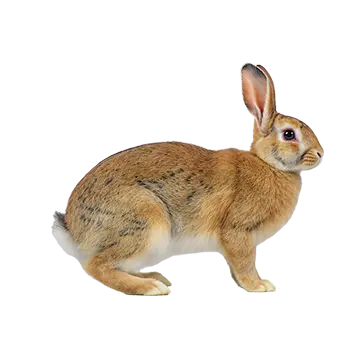

Breeding Readiness

Breeding Belgian Hares responsibly requires careful assessment of both the buck and doe before any mating takes place. Physical maturity is the first criterion — Belgian Hares should not be bred before they are at least six to eight months old, and many experienced breeders prefer to wait until the doe is closer to nine months to ensure her skeletal and reproductive systems are fully developed. A doe bred too young faces increased risks of pregnancy complications, difficulty kindling, and inadequate mothering instincts. Bucks generally reach breeding age slightly earlier but should also be in peak physical condition before being used.

Beyond age, both breeding animals should be assessed for overall health, body condition, and temperament. A Belgian Hare intended for breeding should be at a healthy weight — lean and muscular without being thin or overweight — with a clean bill of health from a rabbit-experienced veterinarian. Any rabbit showing signs of illness, dental disease, parasites, or genetic conditions such as malocclusion should not be bred. The Belgian Hare's sometimes nervous temperament also warrants consideration: extremely fearful or aggressive individuals may not make suitable breeding animals, as temperament has a heritable component.

Evaluate the lineage of both the buck and doe before proceeding. Belgian Hares are a relatively rare breed, and maintaining genetic diversity while avoiding inbreeding requires knowledge of the pedigree lines involved. Reputable breeders maintain detailed records going back multiple generations and can identify potential genetic concerns. If pedigree information is unavailable, proceed with extra caution and consult with experienced Belgian Hare breeders who can assess the animals' physical type and identify any potential issues.

Prepare your facilities before breeding. You will need separate housing for the buck and doe, a clean and quiet kindling area for the pregnant doe, a properly sized nest box, and supplies for monitoring the pregnancy and birth. Have your veterinarian's emergency contact information readily available, and familiarize yourself with the signs of normal and abnormal labor in rabbits. Breeding should never be undertaken on impulse — plan every aspect of the process from mating through placement of the offspring.

The Breeding Process

Rabbits are induced ovulators, meaning the doe releases eggs in response to mating rather than on a fixed cycle. Unlike dogs or cats, rabbits do not have a distinct heat cycle with clear physical signs. Instead, does are receptive to breeding most of the time, with periods of higher and lower receptivity. A receptive doe will show a swollen, reddish-purple vulva, may become restless and chin-rub objects more frequently, and will generally accept the buck's advances without aggression.

Always bring the doe to the buck's cage for mating, never the reverse. Does are highly territorial and may attack a buck introduced into their space. Place the doe in the buck's enclosure and observe closely. A successful mating is typically quick — the buck will mount the doe, and upon completion, will fall to one side or backward in a characteristic motion. Most breeders allow two to three matings in a single session to increase the likelihood of conception, then separate the pair. Never leave the rabbits together unsupervised, as fights can erupt suddenly.

If the doe refuses the buck — flattening against the floor, running away, or fighting — do not force the interaction. Remove the doe and try again in a day or two when she may be more receptive. Belgian Hare does can be particular about their mates, and forced breeding attempts can result in injuries to either rabbit. Some breeders find that a brief introduction period with the rabbits in adjacent enclosures where they can see and smell each other helps ease the doe's acceptance of the buck.

After mating, record the date carefully, as the gestation period for rabbits is approximately 28 to 33 days, with 31 days being the average. You can attempt to palpate the doe's abdomen for developing embryos at about 10 to 14 days post-breeding, though this technique requires experience and should be performed gently to avoid harming the developing kits. Many breeders simply wait and prepare for kindling based on the calendar rather than relying on palpation confirmation.

Pregnancy & Gestation

The Belgian Hare's gestation period averages 31 days, with normal deliveries occurring anywhere from day 28 to day 33. During the first two weeks of pregnancy, external signs are minimal, and the doe's behavior and appetite may appear entirely unchanged. By the third week, an experienced observer may notice a slight rounding of the doe's abdomen and a gradual increase in food and water consumption. Some does become more docile during pregnancy, while others, particularly first-time mothers, may become more territorial or irritable.

Nutrition during pregnancy requires careful attention. Gradually increase the doe's pellet ration beginning around the midpoint of gestation, and ensure she has unlimited access to high-quality hay and fresh water at all times. Some breeders introduce alfalfa hay during pregnancy for its higher calcium and protein content, which supports the developing kits and prepares the doe's body for the demands of lactation. Avoid abrupt dietary changes, as these can cause digestive upset that is particularly dangerous during pregnancy.

Provide the nest box approximately five days before the expected kindling date. The box should be large enough for the doe to enter, turn around, and lie down comfortably, but small enough that the kits remain clustered together for warmth. Line the bottom with clean hay or straw, and the doe will supplement the nest by pulling fur from her chest and belly in the days leading up to delivery. Fur pulling is one of the most reliable signs that kindling is imminent and typically begins 24 to 48 hours before delivery.

Keep the doe's environment as calm and stable as possible during the final week of gestation. Belgian Hares are already a sensitive breed, and a pregnant doe that is stressed by noise, disruption, or the presence of unfamiliar animals or people is more likely to experience complications during delivery. Minimize handling, maintain consistent routines, and ensure that the kindling area is quiet, warm, and private. Check on the doe regularly but briefly, watching for signs of distress without causing additional stress through prolonged observation.

Kindling & Delivery

Belgian Hares typically kindle during the early morning hours, and many breeders discover the new litter during their morning check rather than observing the birth itself. Rabbit labor is usually rapid, with the entire litter delivered within 15 to 30 minutes in most cases. The doe will deliver each kit, clean it, sever the umbilical cord, and consume the placenta. This process, while appearing alarming to first-time breeders, is entirely normal and serves both hygienic and nutritional purposes.

After the doe has finished kindling, give her an hour or so of privacy before checking the nest. Count the kits, remove any stillborn or obviously unhealthy individuals, and confirm that the remaining kits are warm, intact, and positioned in the center of the nest surrounded by pulled fur. Belgian Hare litters tend to be moderate in size, typically ranging from four to eight kits, with smaller litters being common particularly in first-time mothers. Larger litters may require supplemental monitoring to ensure all kits are receiving adequate nutrition.

Complications during kindling, while uncommon, do occur and can become emergencies quickly. A doe that has been in active labor for more than an hour without producing a kit, or that is visibly straining without progress, may be experiencing a difficult delivery that requires veterinary intervention. Retained kits or placental material can cause life-threatening infection if not addressed promptly. Contact your veterinarian immediately if you observe signs of prolonged or obstructed labor.

First-time Belgian Hare does may be inconsistent mothers initially, scattering kits rather than gathering them in the nest or seeming unsure about nursing. Give a first-time mother at least 24 hours to establish her routine before concluding she is a poor mother. If kits are scattered and cold, gather them gently back into the nest and monitor closely. Does that consistently fail to care for their kits despite a calm environment and adequate nutrition may need to have the litter fostered to another doe or hand-reared, though hand-rearing carries significantly higher mortality risk.

Postpartum Care

Postpartum care for the Belgian Hare doe focuses on supporting her recovery from birth while ensuring the litter thrives. The doe's nutritional demands increase dramatically during lactation, as she is producing the calorie-dense milk that will be the kits' sole nutrition for the first two to three weeks of life. Provide unlimited hay, increased pellet rations, fresh vegetables, and constant access to clean water. A nursing doe may consume two to three times her normal water intake, and any shortfall will directly reduce milk production.

Monitor the doe's physical condition closely during the first week postpartum. Check for signs of mastitis, which presents as swollen, hot, or discolored mammary glands that may be painful to the touch. A doe with mastitis may refuse to nurse, and the condition requires immediate veterinary treatment with antibiotics. Also watch for abnormal vaginal discharge, which could indicate a retained kit or placental material, or a uterine infection. Normal postpartum discharge is minimal and resolves within a day or two.

The doe should be allowed to care for her litter with minimal interference during the first week. Check the kits daily by gently reaching into the nest to assess their condition — full, rounded bellies indicate successful nursing, while shriveled or scattered kits suggest a problem. Keep these checks brief and quiet, as Belgian Hare does can be defensive of their nests and excessive disturbance may cause the doe to stop nursing or become aggressive toward the kits.

Be aware that does can become pregnant again almost immediately after kindling, as rabbits are capable of conceiving within hours of giving birth. Keep the buck and doe strictly separated throughout the postpartum and nursing period. Back-to-back pregnancies place enormous physical strain on the doe and compromise her ability to nourish the current litter. Responsible breeders allow a minimum rest period of several weeks between weaning one litter and breeding again, giving the doe time to fully recover her body condition and reserves.

Responsible Breeding Ethics

Breeding Belgian Hares carries significant ethical responsibilities that every breeder must consider before producing a litter. The Belgian Hare is a rare and specialized breed that requires knowledgeable, committed owners capable of meeting its unique needs for space, exercise, and patient handling. Before breeding, have a realistic plan for every kit in the litter, whether that means pre-arranged placements with vetted homes, retention in your own breeding program, or a concrete strategy for finding appropriate adopters. Producing kits without a placement plan contributes to rabbit overpopulation and abandonment.

Breed for quality, health, and temperament rather than for profit or novelty. The Belgian Hare breed standard describes a specific and demanding type that requires careful selection of breeding pairs to maintain. Evaluate breeding stock honestly against the standard, and be willing to withhold animals from breeding programs if they do not meet the criteria for producing offspring that will represent the breed well. Pet-quality animals should be spayed or neutered and placed in companion homes rather than used for further breeding.

Screen potential adopters thoroughly. A Belgian Hare is not an appropriate pet for every household, and placing kits with unprepared owners leads to rabbits being surrendered to shelters or released outdoors, where domestic rabbits cannot survive. Ideal adopters should demonstrate knowledge of rabbit care, have appropriate housing set up before bringing the rabbit home, have access to a rabbit-experienced veterinarian, and understand the Belgian Hare's specific temperament and exercise requirements. Responsible breeders stay in contact with adopters and offer to take back any rabbit that can no longer be kept.

Consider the broader context of rabbit welfare before adding to the population. Shelters and rescues across the country consistently house rabbits in need of homes, and the decision to breed should be weighed against this reality. Ethical breeding of Belgian Hares serves the purpose of preserving and improving a rare breed with a rich history, and it should be approached with the seriousness, knowledge, and commitment that purpose demands. Casual or accidental breeding serves neither the breed nor the individual animals produced.

Always consult a qualified professional before making any health-related decisions. This content is provided for informational reference only and should not replace professional guidance specific to your animal.