
Peak Health Maintenance

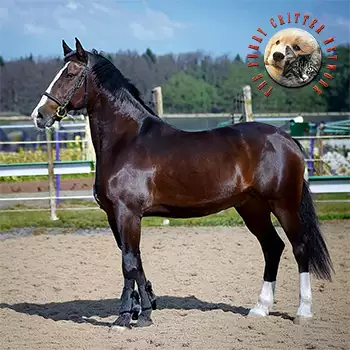
The adult Swedish Warmblood, generally considered to be between the ages of five and fifteen, is at the height of its physical capability. These are the years when the horse's skeletal system is fully mature, its musculature is well developed, and its cardiovascular fitness can reach its peak. Maintaining this level of health requires a proactive approach that addresses nutrition, exercise, veterinary care, and daily management as an integrated system rather than isolated concerns.

Routine health monitoring forms the backbone of preventive care for the adult horse. Owners should develop the habit of performing brief daily assessments that include checking for heat or swelling in the limbs, monitoring manure consistency, observing the horse's appetite and water intake, and noting any changes in attitude or energy level. These simple observations often catch emerging problems days or weeks before they become serious clinical issues.

Vaccination and deworming schedules should be maintained according to veterinary recommendations and regional disease pressures. Annual or semi-annual wellness examinations provide an opportunity for the veterinarian to listen to the heart and lungs, palpate the abdomen, evaluate body condition, and perform blood work if indicated. These baseline assessments become increasingly valuable as the horse ages because they establish a record of what is normal for that individual.

The Swedish Warmblood's athletic build and energetic temperament mean that many adults are in regular work programs, whether in competitive sport or recreational riding. The demands of training and competition introduce specific stressors on the musculoskeletal system, and proactive management of these stressors through appropriate warm-up and cool-down routines, regular bodywork, and sensible training progressions helps sustain soundness across the long competitive career this breed is capable of delivering.

Nutrition at Maturity

Feeding the adult Swedish Warmblood is a matter of matching caloric intake and nutrient density to the horse's workload, body condition, and metabolic tendencies. A horse in moderate to heavy work has significantly different energy requirements than one in light recreational use, and the diet must be adjusted accordingly to prevent both underfeeding and overfeeding.

Quality forage remains the cornerstone of the adult diet. Most adult horses should consume approximately one and a half to two percent of their body weight in forage daily. For a Swedish Warmblood weighing around six hundred kilograms, this translates to nine to twelve kilograms of hay or pasture equivalent per day. Forage quality varies considerably between cuttings and sources, so periodic hay analysis is a worthwhile investment that removes guesswork from the feeding program.

Concentrate feeds supplement what forage cannot provide, particularly for horses in demanding training programs. The adult Swedish Warmblood typically does well on moderate amounts of a balanced performance feed, with adjustments made based on body condition and workload changes throughout the year. Competition season may require higher caloric density, while rest periods call for a reduction in concentrates to prevent unwanted weight gain.

Electrolyte supplementation becomes relevant for horses in regular work, especially during warm weather or after strenuous exercise. Sweating depletes sodium, chloride, potassium, and other minerals that are essential for muscle function and hydration balance. Providing free-choice salt and adding electrolytes to the feed or water during periods of heavy sweating supports recovery and helps prevent muscle cramping and fatigue.

Exercise & Fitness

The Swedish Warmblood's versatility as a sport horse means that adult exercise programs span a wide spectrum, from high-level dressage training to cross-country conditioning and show jumping drills. Regardless of the specific discipline, the principles of sound fitness management apply universally: progressive conditioning, adequate recovery, cross-training, and attention to the horse's physical and mental feedback.

A well-structured training week for an adult Swedish Warmblood in active competition typically includes a mix of discipline-specific work, conditioning rides, and rest days. Monotonous repetition of the same exercises leads to both physical overuse injuries and mental staleness. Incorporating trail rides, hill work, and varied arena exercises keeps the horse engaged and develops a broader base of fitness than flatwork alone can achieve.

Warm-up and cool-down are non-negotiable components of every training session. A proper warm-up of ten to fifteen minutes at walk and relaxed trot increases blood flow to the muscles, raises core body temperature, and prepares the joints for more demanding movements. Cooling down after work allows the heart rate to return to resting levels gradually and helps clear metabolic waste products from the muscles, reducing post-exercise stiffness.

Monitoring fitness through objective measures such as heart rate recovery adds a valuable layer of information beyond subjective feel. A horse whose heart rate returns to baseline quickly after exertion is demonstrating good cardiovascular fitness, while a horse that remains elevated may be overtrained, unwell, or insufficiently conditioned for its current workload. These simple measurements help trainers make evidence-based decisions about when to push forward and when to ease back.

Preventive Health Care

Preventive health care for the adult Swedish Warmblood extends well beyond the basics of vaccination and deworming. A comprehensive program addresses dental care, hoof maintenance, musculoskeletal wellness, and screening for conditions that are common in sport horses.

Dental examinations should be performed at least annually by a qualified equine dentist or veterinarian. Horses' teeth erupt continuously and wear unevenly, creating sharp points, hooks, and ramps that can cause pain, difficulty eating, and resistance to the bit. Routine dental floating corrects these issues and ensures the horse can chew its feed efficiently, which directly impacts digestion and nutrient absorption.

Farrier care on a regular cycle of every five to eight weeks maintains proper hoof balance and addresses any developing issues before they compromise soundness. The Swedish Warmblood's substantial frame places significant mechanical demands on the hooves, and even minor imbalances can translate into strain on tendons, ligaments, and joints further up the limb. A skilled farrier who understands the biomechanics of the sport horse is an invaluable member of the care team.

Musculoskeletal screening, including periodic evaluation by an equine veterinarian experienced in sport horse medicine, helps catch subtle lameness issues before they become debilitating. Flexion tests, baseline imaging, and regular reassessment of the horse's way of going provide a proactive framework for managing the physical demands of an athletic career. Addressing minor discomfort early often prevents it from developing into a serious injury requiring extended layup and rehabilitation.

Behavioral Maturity

By the time a Swedish Warmblood reaches its adult years, its temperament has generally stabilized into a reliable and predictable pattern. The breed is known for its willingness, focus, and cooperative nature under saddle, qualities that make it a favorite among riders pursuing classical dressage and other precision-oriented disciplines. However, behavioral maturity does not mean the horse stops learning or changing; it simply means the foundation is solid.

Adult horses continue to develop mentally throughout their working lives, and a Swedish Warmblood that is consistently trained with clarity and fairness typically becomes more refined in its responses over time. The adult horse can handle more complex requests, sustain concentration for longer periods, and cope with competitive environments that would have overwhelmed it as a youngster. This mental growth is as much a part of the horse's development as its physical maturation.

Stress management remains important even in the emotionally stable adult horse. Travel, competition, changes in routine, herd dynamics, and environmental disruptions all have the potential to affect behavior and performance. Recognizing the signs of stress in the individual horse, whether expressed through changes in appetite, restlessness, withdrawal, or stereotypic behaviors such as weaving or cribbing, allows the owner to intervene before the issue escalates.

The relationship between rider and horse deepens considerably during the adult years. A Swedish Warmblood that has been brought along thoughtfully from its early training often develops a remarkable sensitivity to its rider's aids and body language. This partnership, built over years of consistent and empathetic handling, is one of the most rewarding aspects of working with the breed and reflects the careful selection for temperament that characterizes Swedish Warmblood breeding programs.

Dental, Skin & Coat Care

Beyond the clinical dental care provided by a veterinarian or equine dentist, daily observation of the horse's eating habits can reveal dental issues between scheduled appointments. A horse that drops partially chewed feed, tilts its head while eating, or produces excessive saliva may be experiencing oral discomfort. Whole grain or long fiber stems in the manure suggest inadequate chewing, which can result from dental problems or simply from eating too quickly in a competitive feeding environment.

The Swedish Warmblood's coat reflects its overall health and nutritional status. A glossy, smooth coat indicates good internal health and adequate fatty acid intake, while a dull, rough, or slow-to-shed coat may signal nutritional deficiencies, internal parasite burden, or hormonal imbalances. Seasonal coat changes are normal, with the horse growing a thicker winter coat in response to decreasing daylight hours and shedding it in spring as the days lengthen.

Grooming serves purposes well beyond cosmetic appearance. Regular brushing stimulates circulation in the skin, distributes natural oils through the coat, and provides an opportunity to inspect the entire body for cuts, swelling, lumps, ticks, or skin conditions. Many Swedish Warmbloods enjoy the grooming process and relax visibly during sessions, making it a valuable bonding activity as well as a health maintenance tool.

Skin conditions such as rain rot, scratches, and fungal infections are relatively common in horses, particularly those exposed to wet or muddy conditions. Keeping the skin clean and dry, ensuring adequate ventilation in stabling areas, and addressing any breaks in the skin promptly with appropriate topical treatments minimize the risk of these conditions developing. Horses with white leg markings or pink skin may be more susceptible to sunburn and photosensitivity, requiring protective measures during peak sun exposure.

Always consult a qualified professional before making any health-related decisions. This content is provided for informational reference only and should not replace professional guidance specific to your animal.